12,Aug 2026
Are polished porcelain tiles slippery? They can become slippery when wet, oily, or contaminated, because their smooth, low-porosity surface offers less traction than a textured or matte finish. However, polished porcelain is not automatically unsafe. At JBN, we recommend a practical selection process: identify the room and moisture exposure, check the tile’s slip-resistance data, confirm installation conditions, use suitable grout and maintenance products, and reserve high-gloss surfaces for areas where standing water is unlikely. This step-by-step method helps homeowners, architects, contractors, and importers choose the right tile with confidence from a qualified OEM Tile Supplier and experienced Porcelain and Ceramic Tile Supplier.
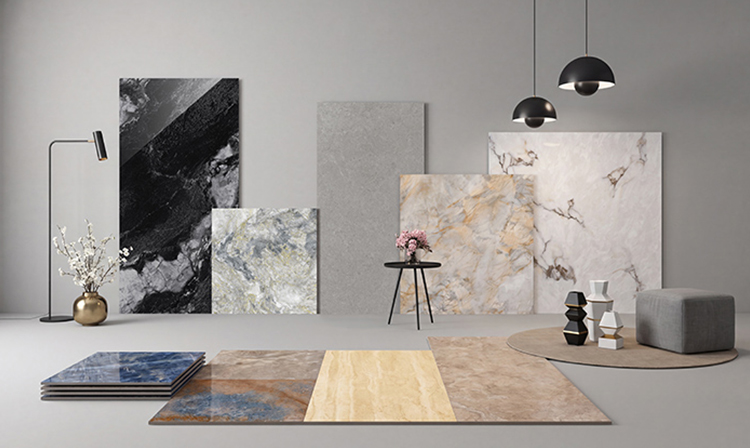
Polished porcelain tiles are manufactured by grinding and polishing the fired tile surface to create a reflective, luxurious finish. The process reduces visible surface texture, which can also reduce the mechanical grip available to footwear.
The risk depends on several variables:
Porcelain tile typically has water absorption of 0.5% or less under ISO 10545-3, making it highly suitable for demanding interiors. Low water absorption improves durability and stain resistance, but it does not automatically mean that the tile has high slip resistance.
In most cases, polished porcelain tiles are more slippery when wet than matte or textured porcelain tiles. This does not mean every polished product has the same performance. Slip resistance must be evaluated using the relevant test method and the intended application.
For commercial projects, we recommend requesting the following technical information from your Porcelain and Ceramic Tile Supplier:
| Technical item | Why it matters | Typical reference |
|---|---|---|
| Dynamic coefficient of friction | Helps evaluate traction on a wet, level surface | ANSI A326.3 |
| Ramp classification | Used in some European project specifications | DIN 51130 |
| Barefoot slip testing | Relevant to wet barefoot areas | DIN 51097 |
| Water absorption | Confirms porcelain classification and moisture performance | ISO 10545-3 |
| Abrasion resistance | Indicates suitability for traffic and wear | ISO 10545-7 or PEI classification |
| Chemical resistance | Important for kitchens, hospitality, and cleaning regimes | ISO 10545-13 |
| Breaking strength and dimensional tolerance | Supports safe, durable installation | ISO 10545-4 and ISO 10545-2 |
A common specification reference is 0.42 wet DCOF for certain level interior walking surfaces under ANSI A326.3. This value should not be treated as a universal guarantee for every environment. The project designer must confirm the applicable local code, test method, footwear condition, slope, drainage, and cleaning program.
Gloss level and slip resistance are related, but they are not identical. A polished tile may perform acceptably in a dry living room, yet be unsuitable around a pool, shower entrance, or commercial kitchen.
As a professional Porcelain and Ceramic Tile Supplier, JBN recommends evaluating the complete application rather than selecting a tile based only on appearance or a single test number.
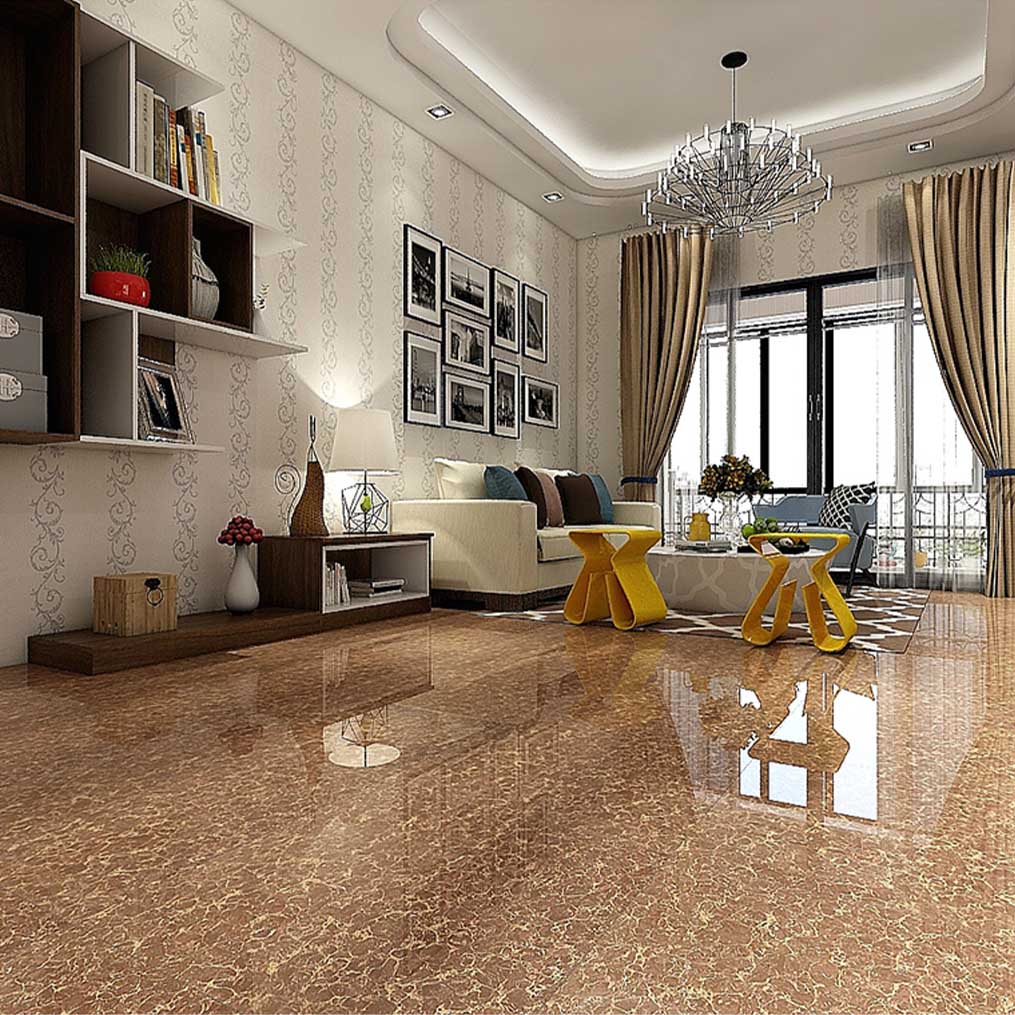
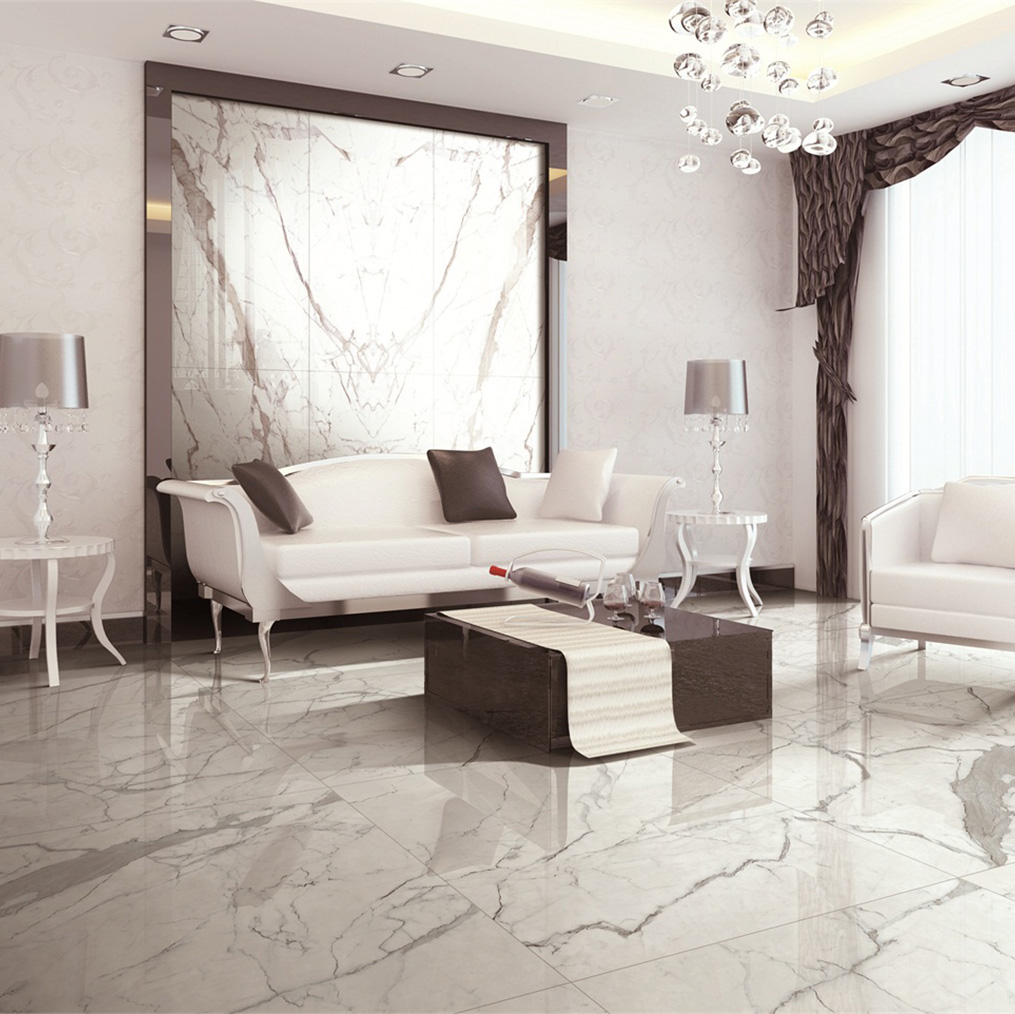
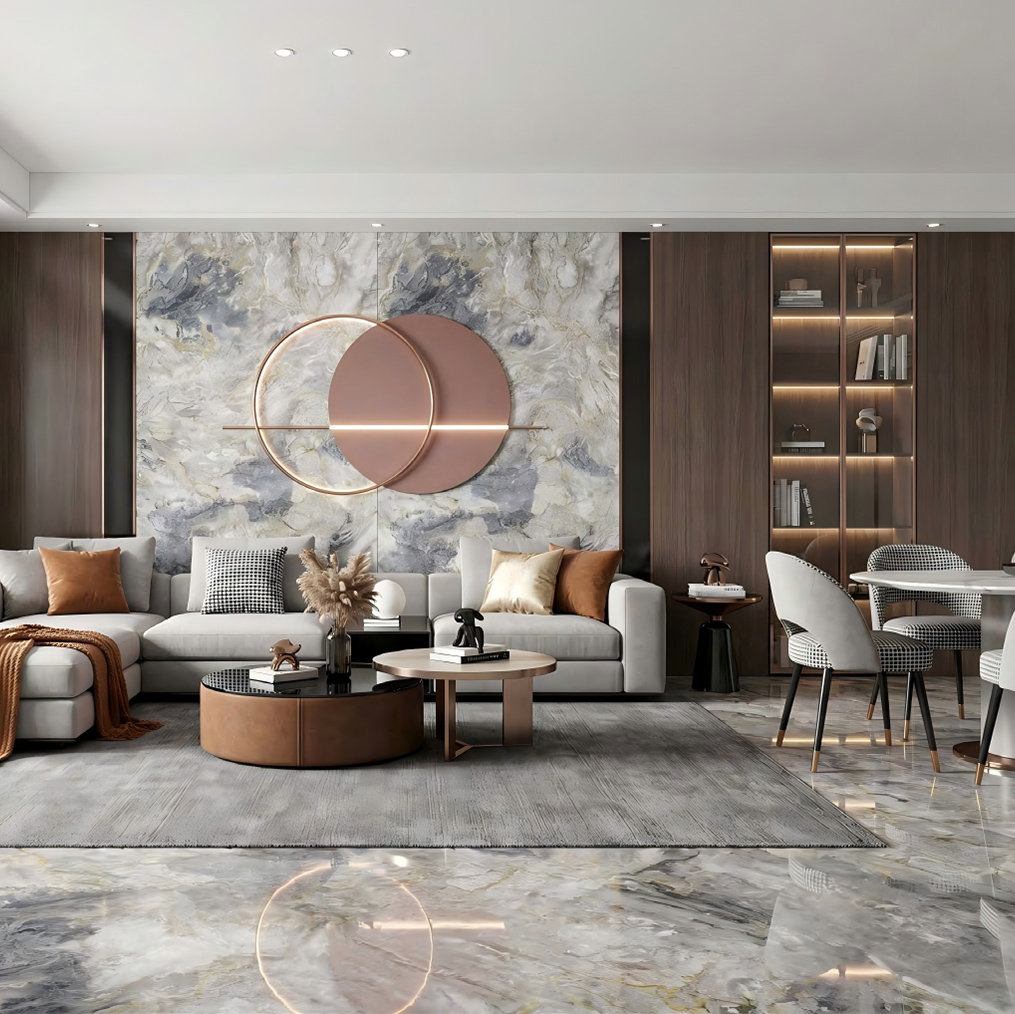
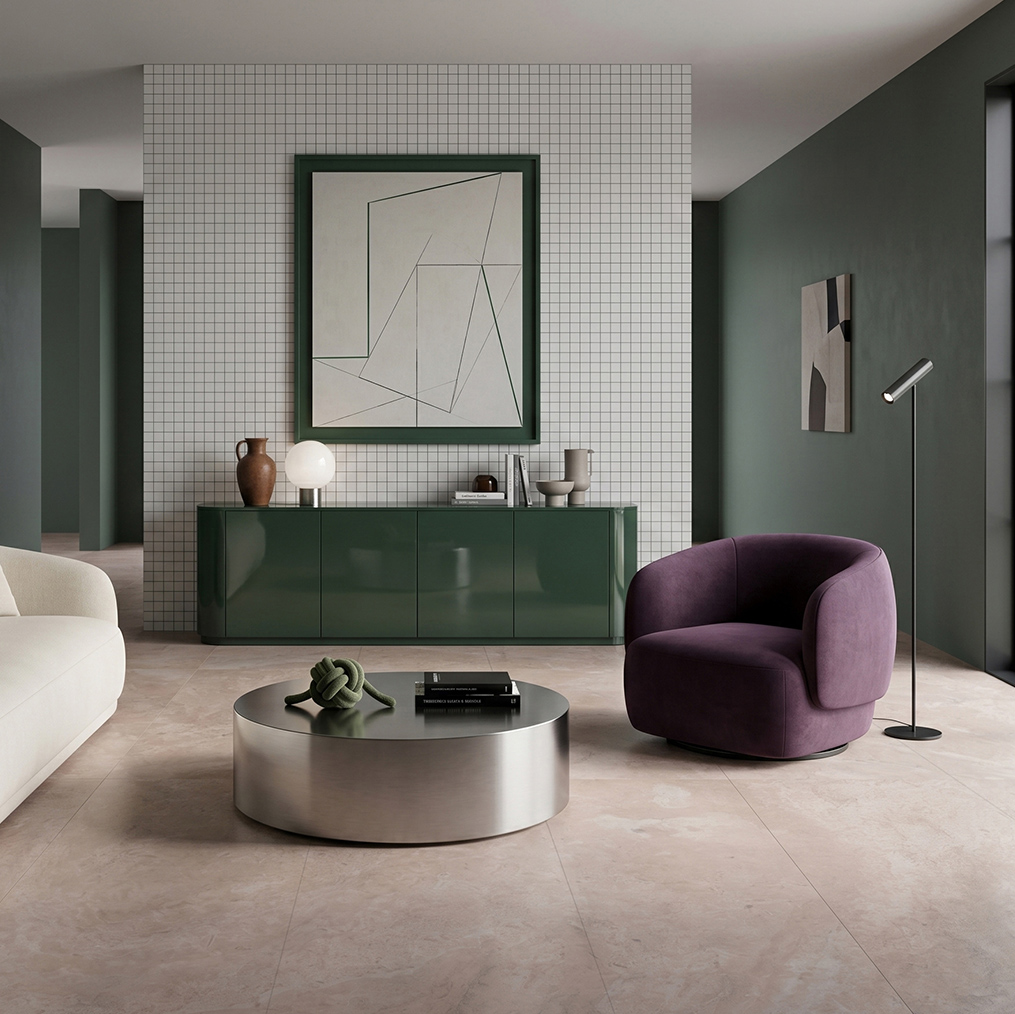
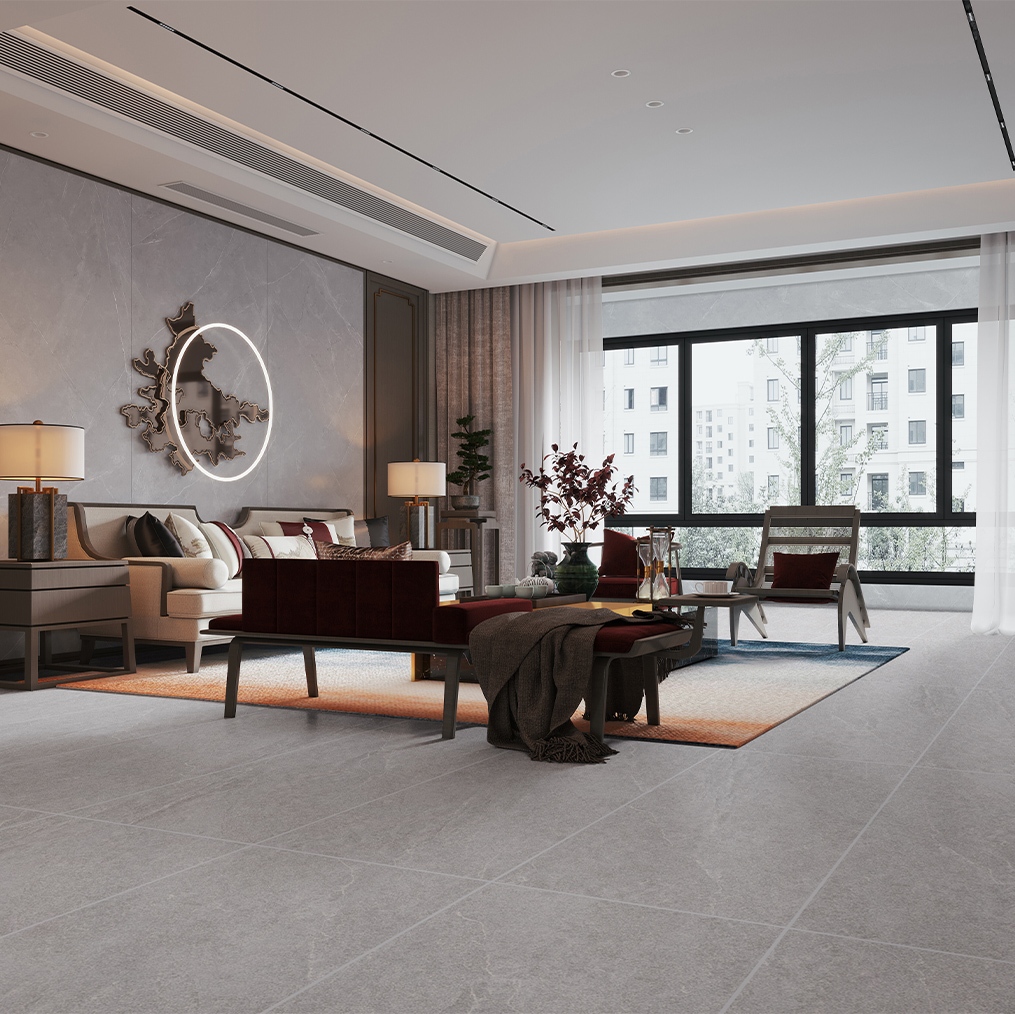
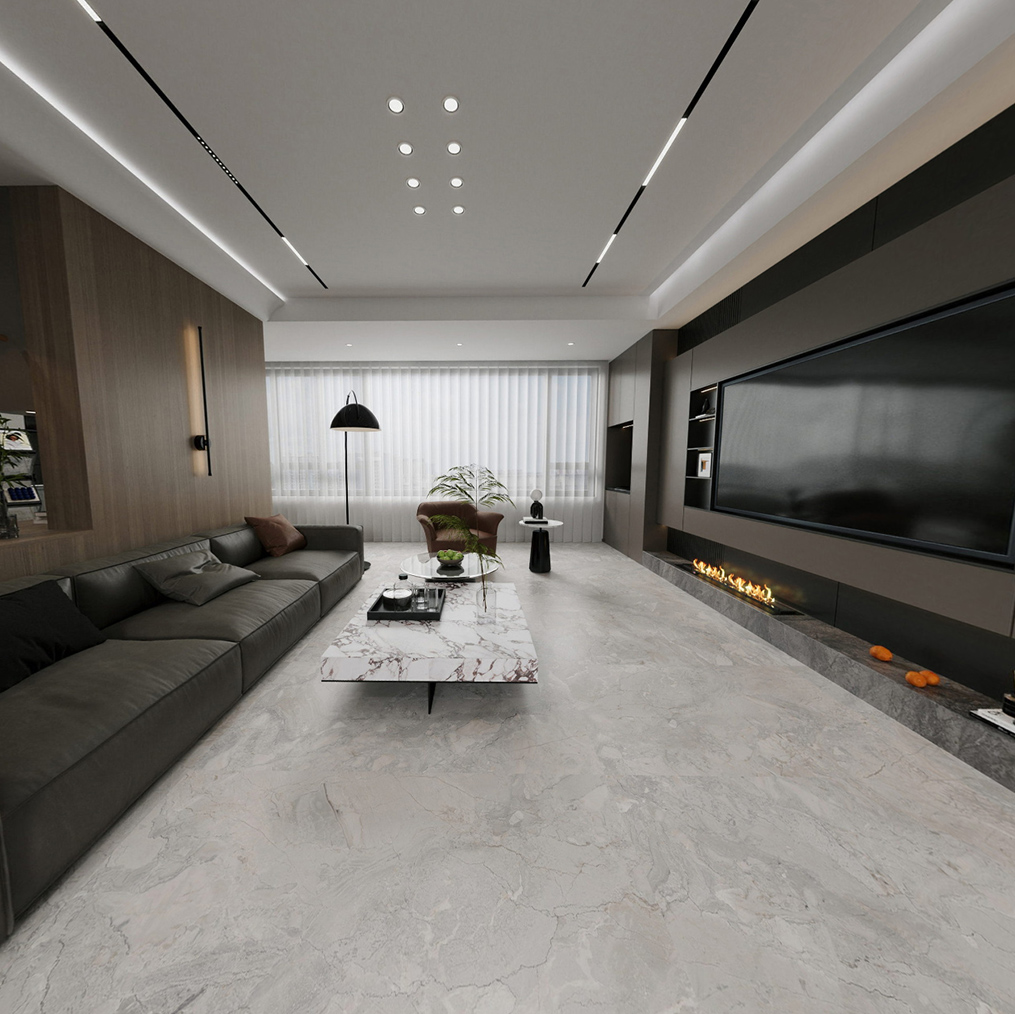
The best application is a dry or controlled interior space where the visual impact of a reflective surface is valuable and standing water is limited.
Polished porcelain is often a strong choice for:
The reflective finish can make a room appear brighter and more spacious. Large-format polished porcelain, such as 600 × 1200 mm or 800 × 1600 mm panels, also creates fewer visible grout joints when installed correctly.
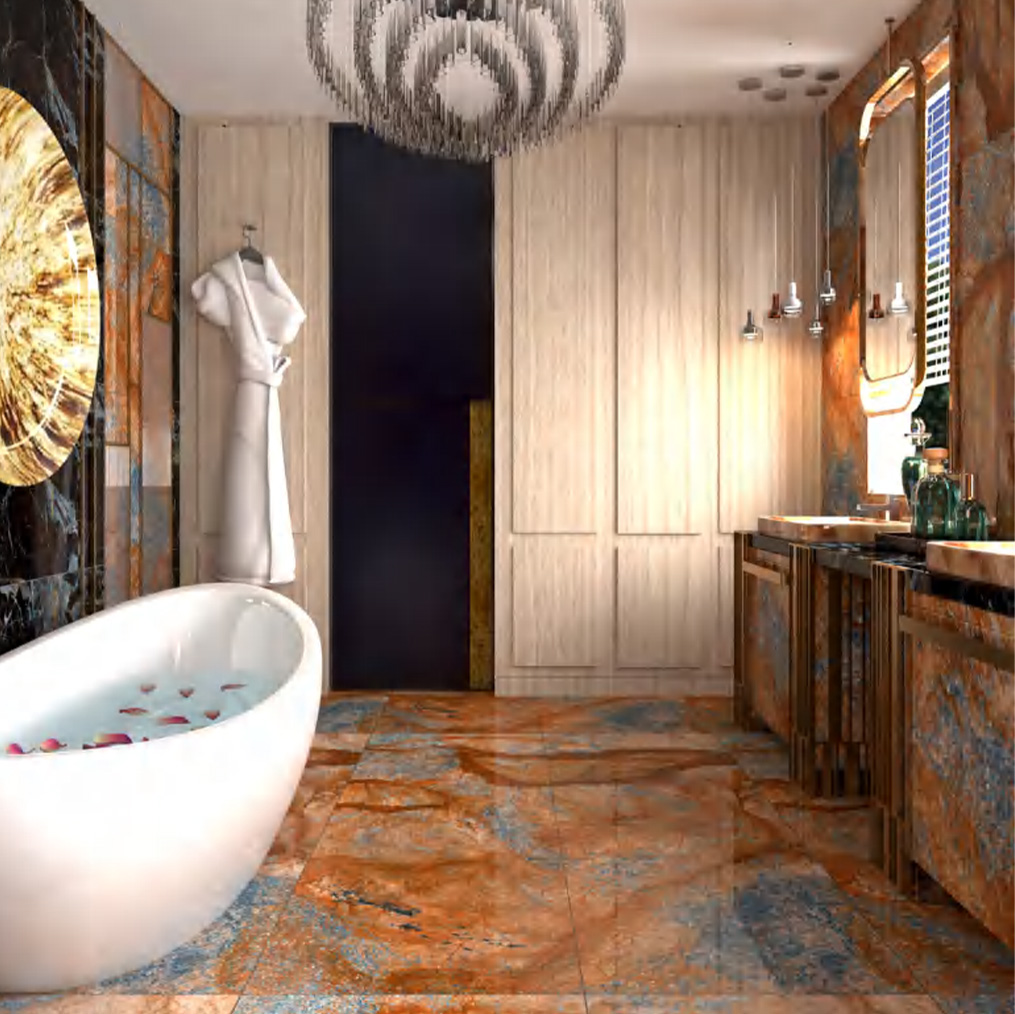
Polished porcelain may require a different surface finish or additional design controls in:
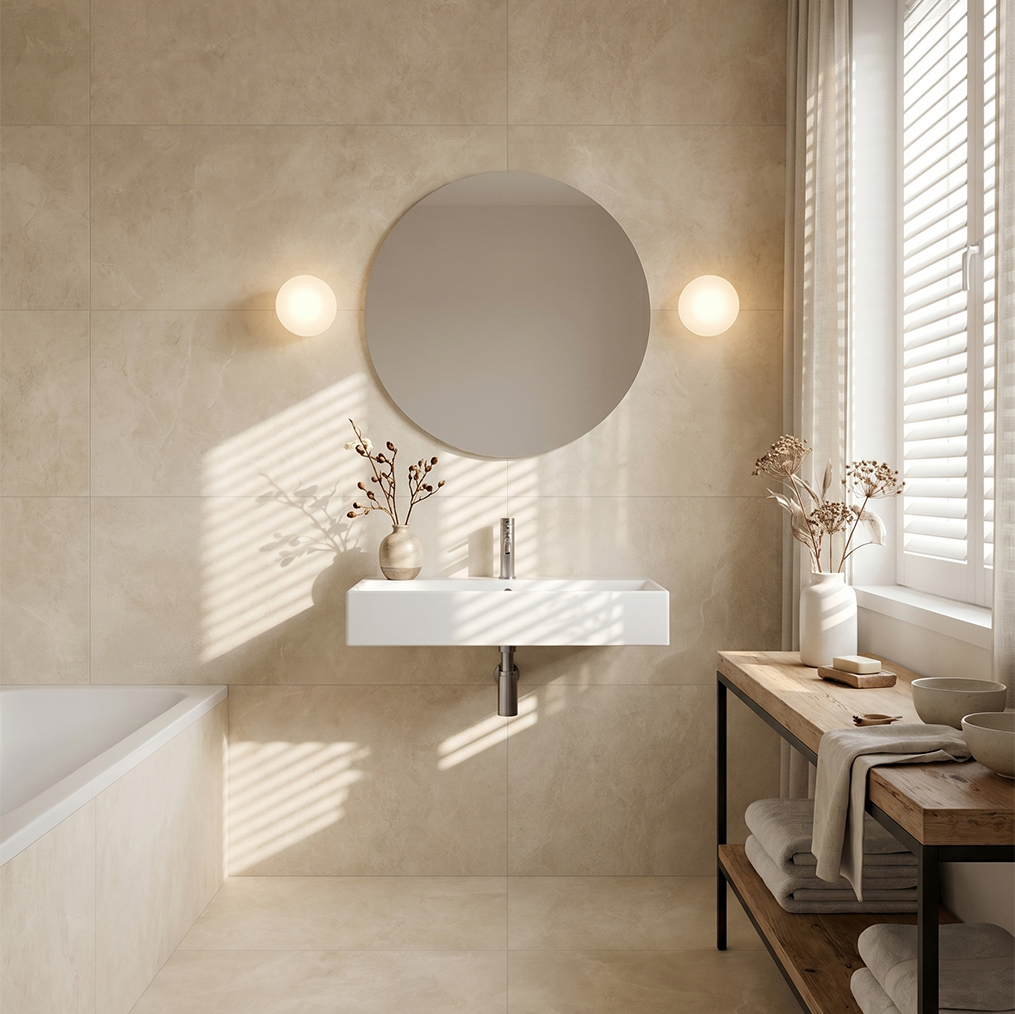
For these locations, we generally recommend matte, structured, grip, or anti-slip porcelain tiles. A polished tile may still be used on walls, vanity backsplashes, or low-moisture zones, but the floor specification should be based on documented slip testing.
Before asking for a quotation, record the basic project conditions:
This information allows JBN, as an OEM Tile Supplier, to recommend a suitable finish, thickness, size, edge treatment, and packaging specification.
Do not rely only on catalog photography. Request:
A reliable Porcelain and Ceramic Tile Supplier should provide traceable product information and explain which test standard applies to each result.
At JBN, quality-control procedures can include dimensional verification to 0.01 mm, shade and surface checks, and 100% visual inspection before shipment, depending on the product and order-control plan. Buyers should confirm the exact inspection scope in the purchase contract and quality agreement.
| Finish | Appearance | Wet-area suitability | Common applications |
|---|---|---|---|
| High-polished | Strong reflection, luxurious appearance | Limited for floors exposed to water | Living rooms, hotels, feature walls |
| Semi-polished | Balanced gloss and texture | Better than high-polished, but verify test data | Residential floors, retail interiors |
| Matte | Soft, low-reflection surface | Generally more practical for wet floors | Bathrooms, kitchens, public areas |
| Structured/anti-slip | Textured tactile surface | Best for demanding wet or outdoor zones | Pools, ramps, terraces, commercial kitchens |
This comparison is only a starting point. The actual technical report, site conditions, and local requirements should control the final decision.
Even a correctly specified tile can become hazardous if installed poorly. For polished porcelain, we recommend:
Large-format porcelain requires special handling because uneven bedding can create hollow spots, cracking, or lippage. Back-buttering and full mortar coverage may be necessary depending on the tile size and installation environment.
Correct maintenance is as important as product selection.
We recommend the following routine:
Avoid household products that contain wax, silicone, oily additives, or aggressive abrasives. These can create a film, alter the surface appearance, or make the floor more difficult to clean.
Practical risk-reduction measures include:
Solution: Request a formal sample approval process before mass production. Compare the selected tile against the project’s required DCOF, ramp, barefoot, abrasion, and chemical-resistance criteria.
Solution: Ask the supplier which test method was used and whether the result applies to wet or dry conditions. Avoid comparing an ASTM or ANSI result directly with a DIN classification without professional interpretation.
Solution: Stop using wax-based or oily cleaners. Deep-clean the floor with a compatible product, rinse thoroughly, and establish a documented cleaning schedule.
Solution: Improve substrate flatness, use the correct adhesive coverage, and install with a calibrated leveling system. Check tile caliber and dimensional tolerance before installation.
Solution: Consider polished porcelain for walls and decorative zones, while specifying matte or structured porcelain for the walking surface. This preserves the design concept without compromising floor safety.
A professional sourcing process should include more than a product image. We suggest preparing these documents:
For preliminary evaluation, buyers can prepare:
This type of site evaluation is not a substitute for certified laboratory testing, but it helps identify obvious performance or maintenance issues before a large order is placed.
Choosing the right tile is easier when the supplier understands both manufacturing and application requirements. JBN supports OEM and project-based tile sourcing with product development, surface-finish selection, packaging coordination, and technical communication.
For international buyers, supplier responsiveness is also important. Before placing an order, confirm:
JBN can organize a response within 24 hours for standard product inquiries, subject to project information and internal confirmation. Buyers should still request written confirmation of specifications, production tolerances, inspection scope, and shipping terms.
A homeowner wanted a bright, stone-like floor for a 65 m² living and dining area. Because the room was dry and had a covered entrance, a polished 800 × 800 mm porcelain tile was selected. Entrance mats, neutral detergent, and prompt spill removal were included in the maintenance plan.
The result was a reflective floor with fewer visual joints and no regular standing-water exposure. Matte porcelain was used in the adjacent bathroom to provide a more practical wet-area surface.
A hotel renovation team initially selected high-polished porcelain for the lobby and exterior entrance. During the review, the project team identified rainwater and luggage-wheel traffic as potential hazards.
The final specification used polished porcelain in the dry central lobby, while the entrance zone received a structured porcelain finish with documented wet slip performance. The design remained visually consistent, but the performance requirements were separated by zone. This is a good example of how a Porcelain and Ceramic Tile Supplier can help solve an application problem without abandoning the original design concept.
So, are polished porcelain tiles slippery? They can be, especially when wet, contaminated, or installed in areas that demand high traction. They are usually better suited to dry interior floors, feature areas, walls, hotel lobbies, living rooms, and retail spaces than to showers, pool decks, ramps, outdoor walkways, or commercial kitchens.
We recommend that every buyer:
With this process, JBN helps buyers achieve the appearance of polished porcelain while making a responsible decision about safety, performance, and long-term value.
Feel free to reach out for any queries. We would be happy to help!
We look forward to working with you.
Navigation
Navigation
Contact Us
Telephone: 0086-757-83327093
E-mail: jbn002@jbnjbn.com
WhatsApp: +86 136 9028 1303
WeChat: +86 136 9028 1303
Address:Building 4, Area B, Ceramics International Trading Center, Jihua Xi Road, Foshan, Guangdong, China
Get in Touch
Get in Touch