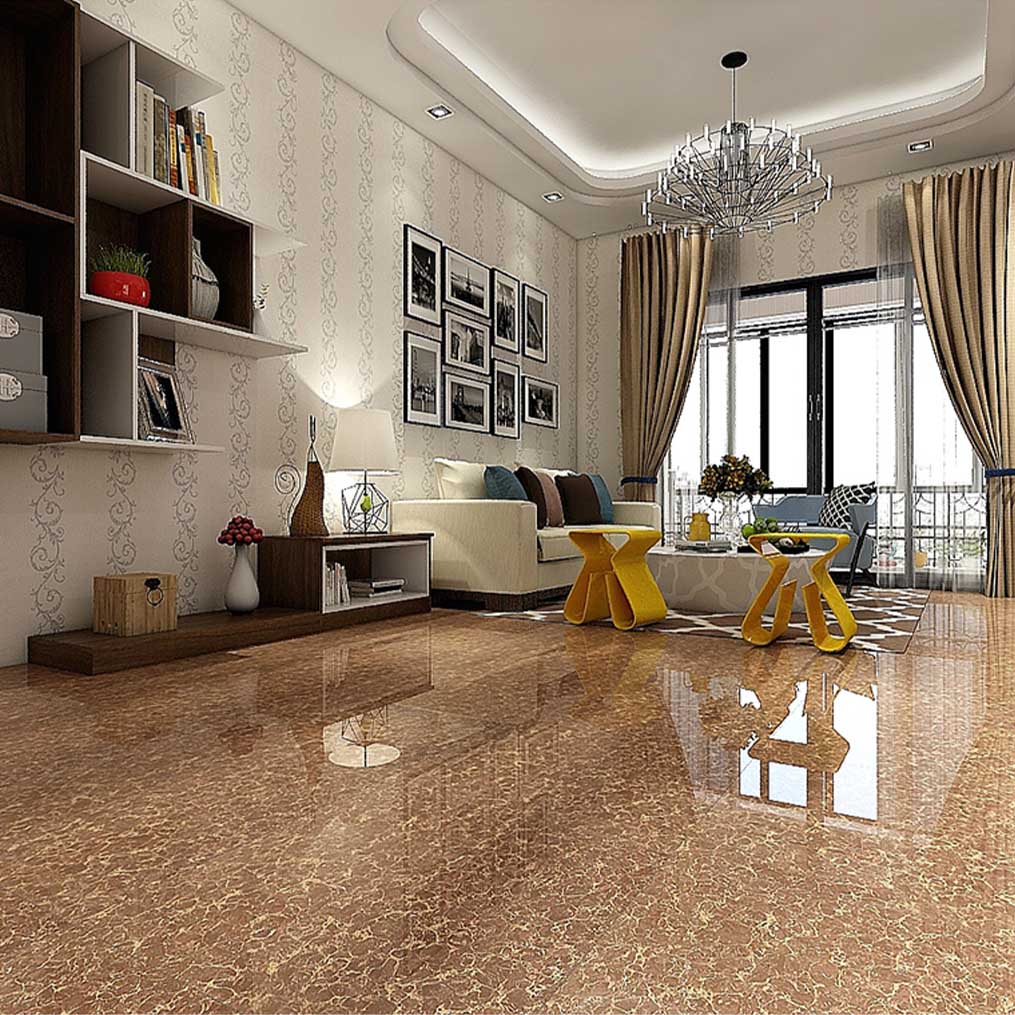
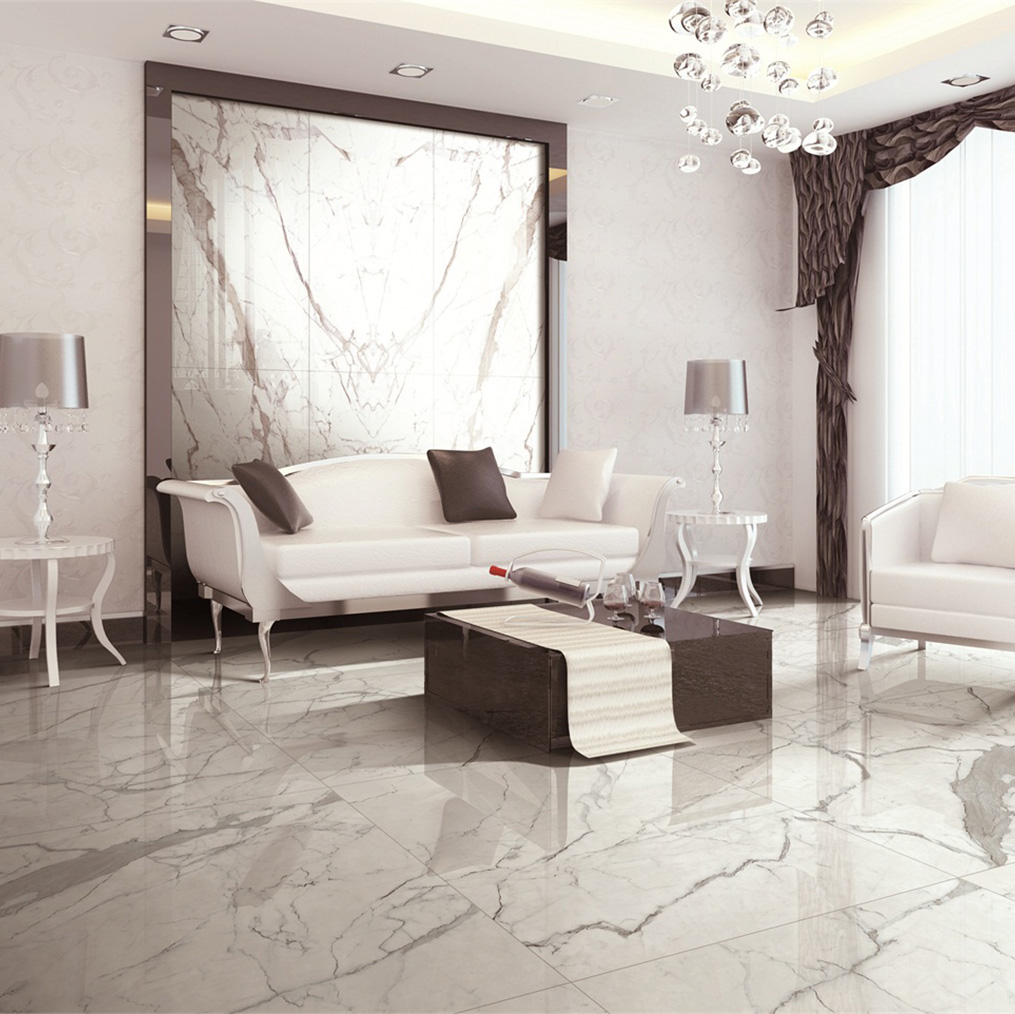
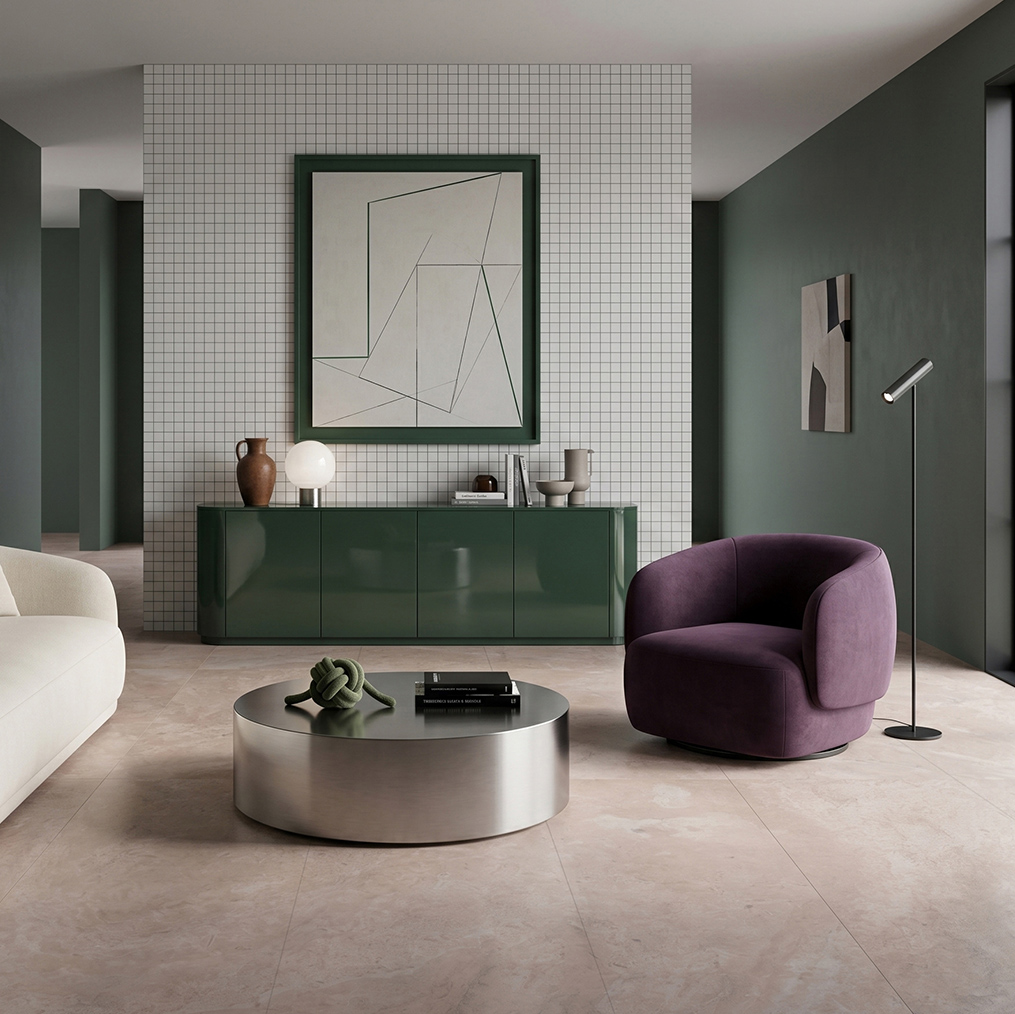
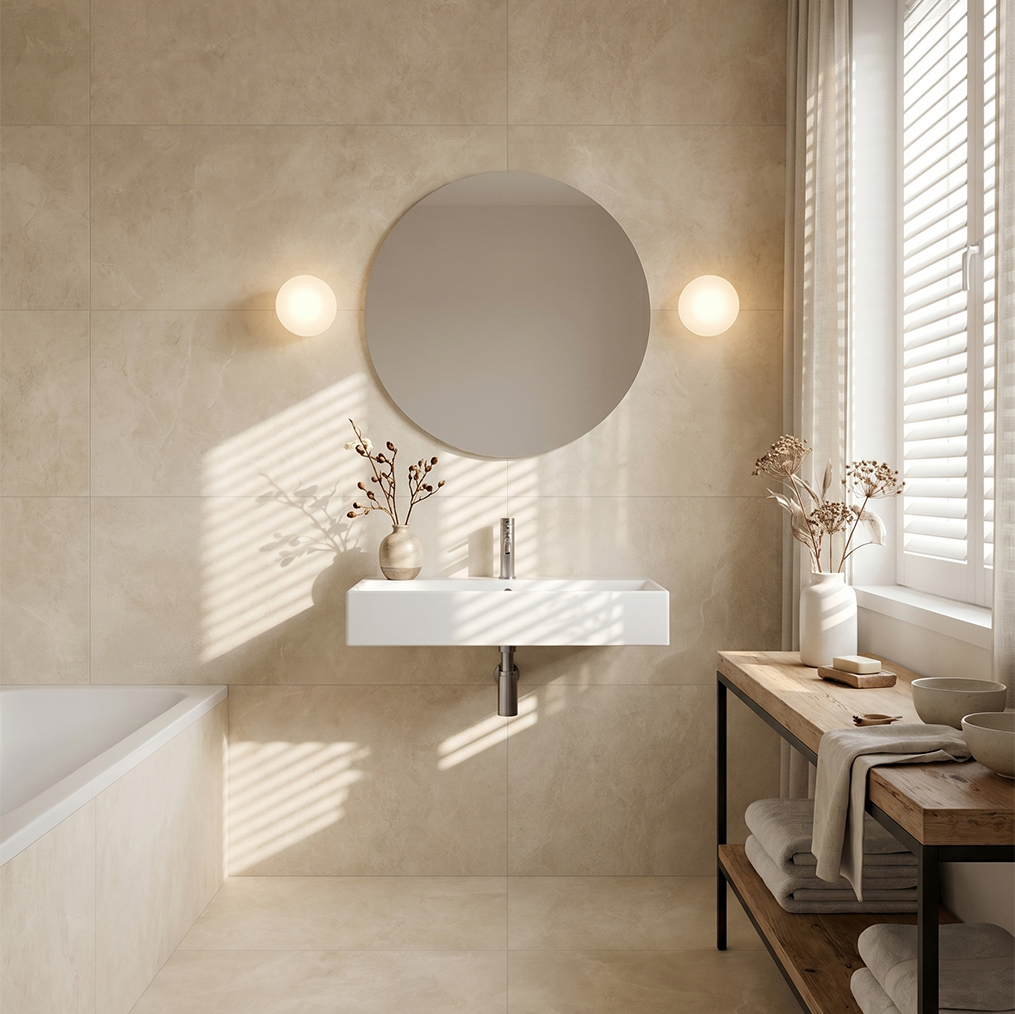
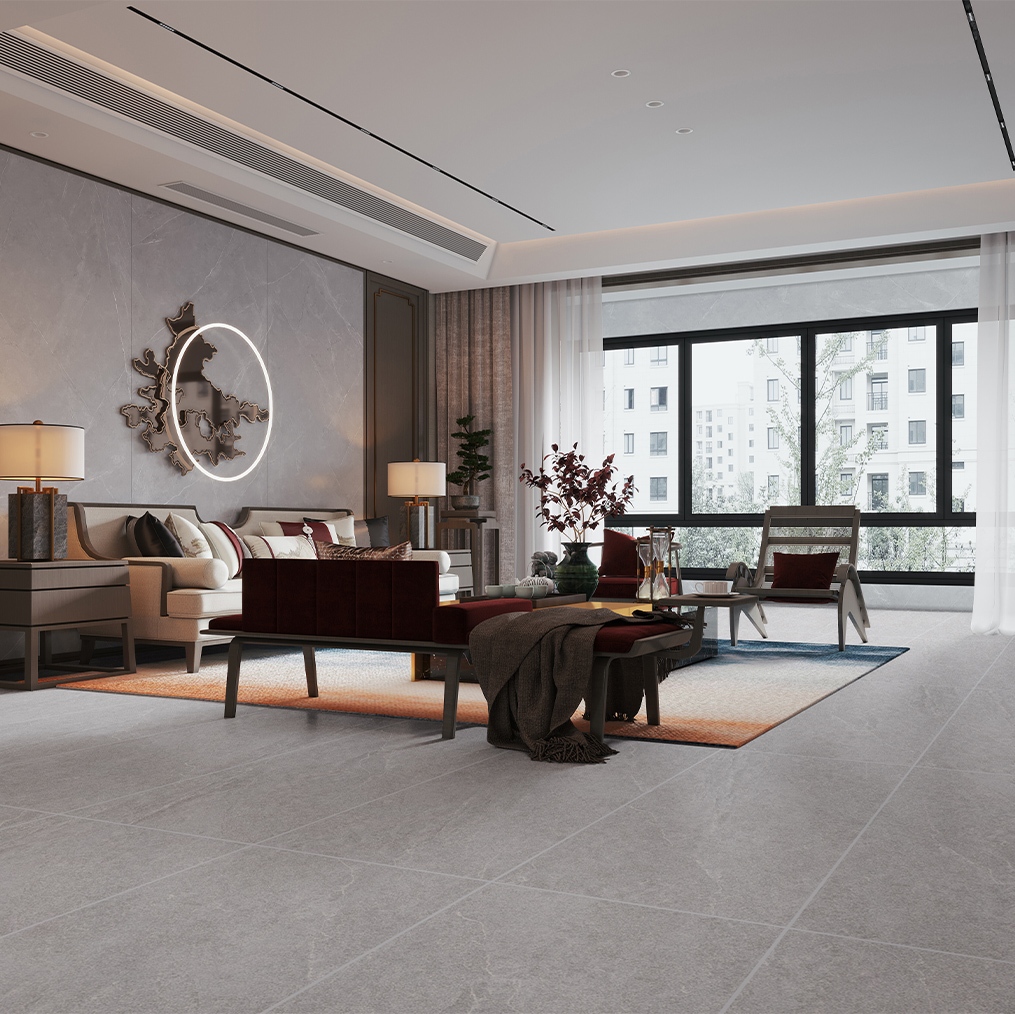
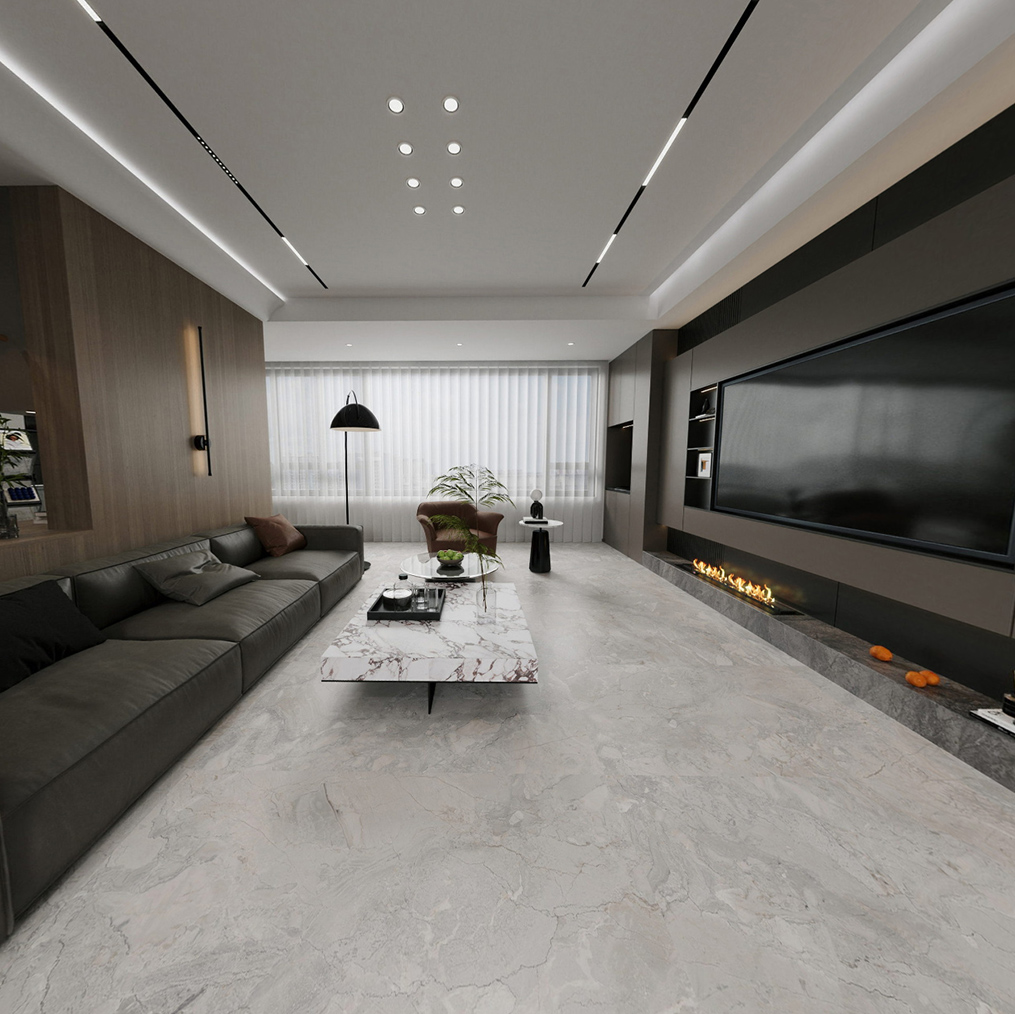
Brief summary: An OEM Tile Supplier can help you source outdoor-rated porcelain tiles with consistent sizing, suitable water absorption, frost resistance, slip performance, and matching trims. In general, porcelain tiles are highly suitable for outdoor use because they are dense, durable, low-maintenance, and resistant to moisture. However, not every porcelain tile is appropriate for an exterior installation. The tile must be rated for outdoor conditions, the surface must provide adequate slip resistance, and the installation must include correct drainage, movement joints, substrate preparation, and weather-resistant grout and adhesive.
Outdoor porcelain tiles can create a durable patio, walkway, balcony, or garden area when the tile and installation system are specified correctly.
Quick Answer: Are Porcelain Tiles Suitable for Outdoor Use?
Yes, in most cases: Exterior-rated porcelain tiles are suitable for patios, terraces, balconies, garden paths, pool surrounds, steps, and outdoor kitchens.
Choose low-absorption porcelain: Look for porcelain tile with water absorption of no more than 0.5%, consistent with the porcelain classification in ANSI A137.1.
Confirm freeze-thaw performance: In cold climates, select products tested for frost resistance under standards such as ASTM C1026 or ISO 10545-12.
Prioritize slip resistance: Select a textured, structured, or anti-slip surface appropriate for rain, snow, pool water, and the intended slope.
Do not rely on tile alone: Poor drainage, an unstable base, incorrect adhesive, insufficient movement joints, or trapped water can cause failure even when the tile itself is excellent.
What Searchers Usually Want to Know About Outdoor Porcelain Tiles
Search intent for the topic “Are Porcelain Tiles Suitable for Outdoor Use?” is primarily informational with a strong commercial-investigation component. People generally want to understand whether porcelain is safe, durable, weather-resistant, attractive, and cost-effective before choosing a product or hiring an installer.
Suitability intent: Searchers want a direct yes-or-no answer and an explanation of why porcelain performs outdoors.
Climate intent: Homeowners in freezing regions want to know whether tiles will crack, absorb water, or suffer frost damage.
Safety intent: Buyers compare slip resistance, wet traction, surface texture, pool suitability, and stair safety.
Installation intent: Users need guidance on concrete slabs, pedestals, compacted gravel, drainage, adhesive, grout, and expansion joints.
Comparison intent: Readers frequently compare porcelain with ceramic tile, natural stone, concrete pavers, and composite decking.
Common Content Perspectives Found Across High-Visibility Search Results
High-ranking independent websites generally approach this topic from several different perspectives. Combining these perspectives creates a more useful article than focusing only on the tile material itself.
Design and remodeling perspective: Explains how porcelain creates a seamless indoor-outdoor appearance and supports modern patio designs.
Retail and product-selection perspective: Focuses on tile thickness, finishes, sizes, outdoor collections, installation systems, and maintenance.
Technical installation perspective: Emphasizes substrate stability, drainage, freeze-thaw protection, adhesive coverage, and movement joints.
Architecture and landscaping perspective: Discusses visual continuity, garden circulation, pool surrounds, raised terraces, and large-format slabs.
Consumer-advice perspective: Compares porcelain with concrete, stone, and ceramic while highlighting costs and long-term upkeep.
Safety and standards perspective: Covers water absorption, slip resistance, frost resistance, surface classification, and regional building requirements.
Maintenance perspective: Explains cleaning, stain resistance, algae prevention, winter care, and replacement procedures.
Six Practical Article Outlines for the Topic
Outline 1: The Complete Beginner’s Guide
Define outdoor porcelain tile.
Explain why low water absorption matters.
Identify suitable outdoor applications.
Describe slip resistance and weather performance.
Explain installation choices and maintenance.
Outline 2: Outdoor Porcelain Tile by Climate
Discuss hot and sunny climates.
Explain freeze-thaw risks in cold regions.
Address rain, humidity, algae, and coastal salt exposure.
Recommend appropriate finishes and installation methods.
Provide a climate-based purchasing checklist.
Outline 3: Porcelain Tile vs. Other Outdoor Materials
Compare porcelain with ceramic tile.
Compare porcelain with natural stone.
Compare porcelain with concrete pavers.
Compare durability, maintenance, cost, appearance, and installation.
Explain which material suits different projects.
Outline 4: How to Install Porcelain Tile Outdoors
Inspect and prepare the base.
Plan slope and drainage.
Choose a suitable installation method.
Use exterior-rated adhesive and grout.
Install movement joints and protect the work during curing.
Outline 5: Outdoor Porcelain Tile Buying Guide
Check water absorption and frost resistance.
Verify slip performance and surface texture.
Choose appropriate thickness and format.
Order sufficient spare tiles from the same production batch.
Evaluate supplier documentation, packaging, and quality control.
Outline 6: Outdoor Porcelain Tile Problems and Solutions
Explain cracking, rocking, staining, efflorescence, and loose tiles.
Identify installation-related causes.
Show how to improve drainage and movement accommodation.
Explain when repair is possible and when replacement is necessary.
Provide a maintenance and inspection schedule.
Why Porcelain Tiles Perform Well Outdoors
Low Water Absorption Helps Reduce Moisture Damage
Porcelain tile is manufactured from refined raw materials and fired at high temperatures, producing a dense body with very low porosity. The porcelain classification in ANSI A137.1 is commonly associated with water absorption of 0.5% or less.
Low absorption offers several outdoor benefits:
Less water enters the tile body.
The surface is less likely to retain stains and organic contamination.
Freeze-thaw stress is reduced when the complete installation is properly designed.
Cleaning is generally easier than with porous natural stone.
Color and surface appearance remain more stable in demanding conditions.
Low absorption does not make an installation waterproof. Water can still enter through joints, cracks, edges, the substrate, or poorly sealed transitions. The drainage system and installation method remain essential.
Porcelain Offers Strong Resistance to Wear and Abrasion
Outdoor patios and paths experience foot traffic, furniture movement, grit, fallen leaves, soil, and occasional impact. A properly selected porcelain tile can withstand these conditions better than many standard indoor ceramic tiles.
For busy areas, ask the manufacturer for technical information covering:
Breaking strength.
Surface abrasion resistance.
Scratch resistance.
Stain resistance.
Suitable traffic classification.
Recommended installation method and maximum unsupported span.
Porcelain Provides Extensive Design Flexibility
Outdoor porcelain is available in stone, concrete, slate, wood, terrazzo, and monochromatic designs. This makes it possible to coordinate a patio with interior flooring, exterior walls, steps, pool coping, or garden structures.
Use large formats to create a contemporary appearance with fewer grout lines.
Use plank-style porcelain to imitate timber decking without timber’s regular staining requirements.
Choose textured stone-look surfaces for gardens, terraces, and pool areas.
Use modular sizes to create formal patterns and reduce visual monotony.
Order trim pieces or matching stair components where edge safety and appearance matter.
Where Outdoor Porcelain Tiles Can Be Used
Patios: Use exterior-rated porcelain over a stable, drained base.
Terraces: Confirm structural capacity, waterproofing, drainage, and edge detailing before installation.
Balconies: Use a system approved for the building and verify that the additional tile load is acceptable.
Garden paths: Select a textured surface and ensure that the base cannot settle unevenly.
Pool surrounds: Choose a wet-area surface with suitable slip performance and comfortable barefoot texture.
Outdoor kitchens: Select stain-resistant products and provide falls that direct water away from walls and cabinets.
Steps and stairs: Use visible nosings, suitable edge profiles, and a surface designed for wet foot traffic.
How to Select Porcelain Tiles for Outdoor Installation
Step 1: Confirm That the Product Is Rated for Exterior Use
Do not assume that every porcelain tile is suitable for outdoor installation. Ask for the technical data sheet and confirm that the manufacturer specifically identifies the product for exterior applications.
Check for:
Outdoor or exterior-use approval.
Water absorption data.
Freeze-thaw or frost-resistance data where required.
Slip-resistance information.
Recommended installation systems.
Climate and temperature limitations.
Step 2: Match the Surface Texture to the Wetness and Traffic
A polished porcelain tile may look attractive but can be inappropriate for a frequently wet patio, pool deck, ramp, or stair. Select a surface that provides reliable traction without creating an uncomfortable or difficult-to-clean texture.
Request test data rather than relying only on marketing terms such as “non-slip,” “anti-slip,” or “R11.” Slip classifications vary by testing method and market, and a rating should always be interpreted alongside the expected conditions.
The Tile Council of North America provides technical guidance on tile installation and wet-area performance. For many projects, a qualified tile professional should assess the product’s test method, slope, footwear conditions, contamination risk, and cleaning requirements.
Step 3: Check Frost Resistance in Cold Climates
When water freezes inside a tile or the installation assembly, expansion can contribute to cracking, spalling, debonding, and movement. In regions exposed to repeated freeze-thaw cycles, use a product with documented frost resistance. ASTM C1026 and ISO 10545-12 are examples of standards used to evaluate freeze-thaw behavior.
Ask whether the tile passed the relevant frost-resistance test.
Confirm that the adhesive, grout, membrane, and substrate are also suitable for freeze-thaw exposure.
Prevent water from remaining beneath or behind the tile.
Use correctly designed movement joints.
Avoid installing over unstable, saturated, or poorly drained bases.
Step 4: Choose the Correct Thickness and Format
Tile thickness should be selected according to the installation method and expected loads. Standard-format tiles installed over a fully supported concrete base are different from thick pavers installed on pedestals, compacted aggregate, or a sand-set system.
Standard exterior tile: Suitable for bonded installations when the substrate is stable and properly prepared.
Thick porcelain pavers: Often designed for heavier outdoor applications and alternative installation methods.
Large-format tiles: Require a flatter base, careful handling, high mortar coverage, and accurate movement planning.
Pedestal installations: Require structural assessment, edge restraint, drainage planning, and products specifically approved for raised systems.
Step 5: Purchase From a Supplier That Provides Complete Documentation
A dependable OEM Tile Supplier should be able to provide consistent product specifications, sample approval, packaging details, test reports, color information, and batch traceability. Before placing a large order, request:
Technical data sheets.
Slip-resistance and frost-resistance information.
Recommended adhesives, grouts, membranes, and accessories.
Production-batch and shade information.
Quality inspection procedures.
Replacement and after-sales policies.
Samples viewed in both dry and wet conditions.
For supplier information and product discussions, JBN can be included as a sourcing reference when evaluating porcelain tile options and related product information.
How to Install Porcelain Tiles Outdoors Correctly
Step 1: Inspect the Existing Base
The base must be stable, clean, adequately cured, and capable of supporting the expected loads. Repair cracks, remove contaminants, and verify that the surface is suitable for the chosen installation system.
Check for settlement, loose concrete, hollow areas, and structural cracks.
Remove oil, paint, dust, curing compounds, and other bond-inhibiting materials.
Confirm that the surface is flat enough for the selected tile format.
Do not bridge active structural movement with ordinary tile adhesive.
Step 2: Provide Positive Drainage
Outdoor surfaces should direct water toward suitable drains, channels, soil areas, or other approved discharge points. Standing water increases the risk of staining, algae, efflorescence, freeze damage, and adhesive failure.
Plan the finished slope before installing the tile.
Keep water away from building walls, door thresholds, and foundations.
Use linear drains or point drains where appropriate.
Coordinate tile height with door thresholds and adjacent paving.
Protect drainage paths from mortar and grout contamination.
Step 3: Select an Exterior-Rated Bonding System
Use an adhesive and grout system intended for exterior exposure, temperature variation, moisture, and the specific substrate. In many projects, a flexible polymer-modified thin-set mortar is selected, but the product manufacturer’s instructions must control.
Use the correct mortar for concrete, cement board, membranes, or other substrates.
Use the appropriate trowel size for the tile format.
Back-butter larger tiles where required.
Achieve high mortar coverage, especially in freeze-thaw or wet locations.
Prevent voids beneath exterior tiles where water can collect or impact can occur.
Step 4: Install Movement Joints
Tile and the underlying structure expand and contract at different rates. Movement joints should be planned at perimeters, changes in plane, structural joints, transitions, and appropriate field locations. The exact layout should follow local standards, project conditions, and the recommendations of the mortar and sealant manufacturers.
Do not fill perimeter gaps with rigid grout.
Honor existing structural and control joints.
Use a flexible sealant or engineered movement-joint profile.
Reduce uninterrupted tile areas where strong solar exposure or major temperature changes are expected.
Step 5: Protect the Installation During Curing
Keep the installation protected from rain, frost, excessive heat, dust, traffic, and premature loading. Adhesive and grout need sufficient time to cure according to the product instructions and actual site conditions.
Outdoor Porcelain Installation Methods Compared
Bonded Installation Over Concrete
Best for: Stable patios, terraces, and walkways with a suitable concrete base.
Advantages: Strong support, broad design flexibility, and a relatively familiar installation process.
Risks: Cracks, poor drainage, inadequate mortar coverage, and missing movement joints.
Porcelain Pavers Over Compacted Aggregate
Best for: Garden paths, patios, and projects requiring some future access or replacement flexibility.
Advantages: Water can drain through a designed base, and individual units can be replaced.
Risks: Settlement, edge movement, inadequate compaction, and unstable joints.
Pedestal-Supported Porcelain Pavers
Best for: Rooftops, balconies, terraces, and areas requiring access to drainage or utilities.
Advantages: Creates a serviceable void beneath the pavers and can improve drainage access.
Risks: Wind uplift, edge restraint, structural loading, pedestal stability, and local code compliance.
Sand-Set or Dry-Set Systems
Best for: Approved thick paver products and specific landscape applications.
Advantages: Can simplify future replacement and allow water management through the base.
Risks: The method is not appropriate for every porcelain tile, especially thin tiles or unsupported formats.
Porcelain Tile Compared With Other Outdoor Materials
Material
Main Advantages
Potential Limitations
Best Use
Porcelain
Low absorption, durable surface, many designs, low routine maintenance
Requires precise installation and can be difficult to cut
Patios, terraces, paths, pool surrounds, balconies
Ceramic tile
Affordable, attractive, widely available
Many products have higher absorption or are intended only for interiors
Exterior use only when specifically rated
Natural stone
Unique appearance, strong architectural character
May require sealing, can vary in absorption, and may show weathering
Premium patios, gardens, terraces, and traditional designs
Concrete pavers
Strong, repairable, available in many shapes and thicknesses
Can stain, fade, shift, or require periodic maintenance
Driveways, paths, patios, and heavy-duty landscaping
Can heat in sunlight, scratch, fade, or require substructure maintenance
Decks, balconies, and elevated outdoor living areas
How to Maintain Outdoor Porcelain Tiles
Sweep regularly to remove grit that can accumulate in joints and textured surfaces.
Wash with clean water and a neutral pH cleaner.
Remove leaves, soil, food residue, and standing water promptly.
Use a soft brush for textured surfaces rather than aggressive abrasive tools.
Follow the grout manufacturer’s recommendations for cleaning and resealing.
Inspect movement joints, perimeter sealants, drains, and tile edges at least twice a year.
Replace cracked or loose tiles before water reaches the underlying assembly.
Avoid harsh acids, unapproved solvents, and wire brushes that can damage grout or surface treatments.
Common Outdoor Porcelain Tile Problems and Direct Solutions
Cracked Tiles
Likely causes: Substrate movement, impact, inadequate support, or insufficient movement accommodation.
Solution: Identify whether the crack is isolated or follows a structural joint. Replace the tile only after correcting the underlying movement or support problem.
Loose or Rocking Tiles
Likely causes: Poor mortar coverage, contaminated substrate, movement, or water beneath the tile.
Solution: Remove the tile, inspect the substrate, correct drainage and bonding conditions, and reinstall with the correct exterior-rated system.
White Deposits or Efflorescence
Likely causes: Moisture carrying soluble salts through grout, mortar, or the substrate.
Solution: Improve drainage, allow the assembly to dry, use a compatible cleaning method, and prevent recurring water migration.
International Code Council — Building-code resources relevant to exterior surfaces, balconies, stairs, accessibility, and drainage.
Always verify which standards and building regulations apply in your country, state, municipality, and project type. Product test data should be interpreted together with the installation manufacturer’s instructions and local code requirements.
Outdoor Porcelain Tile Buying Checklist
Confirm exterior-use approval in writing.
Verify water absorption of 0.5% or less for porcelain classification where applicable.
Request frost-resistance data for freeze-thaw climates.
Check slip-resistance results using the relevant regional test method.
Select a texture suitable for rain, pool water, snow, footwear, and cleaning conditions.
Choose thickness and format based on the planned installation system.
Confirm the tile’s breaking strength and traffic suitability.
Order 10% to 15% extra material for cuts, waste, and future repairs, depending on project complexity.
Purchase spare tiles from the same batch and store them in a dry, labeled location.
Coordinate tile, grout, adhesive, membrane, trim, drains, and movement-joint products before installation.
Inspect cartons for damage and confirm shade, caliber, size, and quantity before installation.
Use a qualified installer for large-format, rooftop, balcony, pool, or freeze-thaw projects.
Important Details Often Overlooked When Choosing Outdoor Porcelain Tiles
Consider Solar Heat and Barefoot Comfort
Dark colors and highly dense surfaces can become hot under direct sunlight. Around swimming pools, outdoor showers, and seating areas, compare light and medium colors and test sample pieces under local sun conditions.
Plan Edges, Corners, and Stair Noses
Tile edges are vulnerable to impact and can become dangerous when chipped. Use factory-made edge pieces, metal profiles, bullnose components, or carefully designed nosings. Make stair edges visually distinguishable where required by local accessibility rules.
Account for Furniture, Grills, and Point Loads
Heavy furniture, planters, grills, umbrellas, and outdoor kitchens may create concentrated loads. Confirm that the tile and supporting system can handle these loads without unsupported corners or excessive deflection.
Coordinate Drainage With Door Thresholds
A beautiful patio can still cause interior water damage if the finished tile is too high, the threshold is poorly detailed, or the drain is undersized. Coordinate waterproofing, flashing, slope, threshold height, and surface drainage before any tile is ordered.
Check Color Consistency Across Production Batches
Large outdoor areas may require multiple production runs. Shade and caliber can vary slightly between batches, so order enough material at one time whenever possible and approve a physical sample before mass production or installation.
Review Local Accessibility and Safety Requirements
Outdoor ramps, steps, public paths, commercial terraces, and shared residential areas may be subject to specific requirements for slope, edge visibility, handrails, drainage, and slip performance. Product selection should be reviewed against the regulations governing the project location.
Frequently Asked Questions
Can porcelain tiles crack outside in winter?
They can crack if the product is not frost-resistant or if water enters a poorly drained installation and freezes. Exterior-rated, low-absorption porcelain combined with correct drainage, mortar coverage, and movement joints is much more resistant to winter damage.
Are polished porcelain tiles suitable for patios?
Polished tiles are usually not the first choice for exposed patios because they can provide inadequate traction when wet. A matte, textured, structured, or specifically tested exterior surface is generally safer.
Are porcelain tiles more durable than concrete pavers?
Neither material is automatically better for every project. Porcelain offers low absorption, consistent design, and easy routine cleaning, while concrete pavers may offer greater thickness, simpler replacement, and strong performance in heavy-load applications.
Do outdoor porcelain tiles need sealing?
Most porcelain tile surfaces do not require routine sealing. However, grout, porous trims, natural-stone components, and certain factory finishes may require protection. Follow the manufacturer’s recommendations rather than applying a generic sealer.
Can porcelain tiles be installed directly on soil?
Standard thin porcelain tile should not be placed directly on soil. The project needs an approved system, such as a properly compacted aggregate base with suitable thick pavers, a concrete slab, or a pedestal system.
What is the best thickness for outdoor porcelain tile?
There is no single best thickness. The correct thickness depends on whether the product is bonded, dry-laid, installed on pedestals, placed over aggregate, or exposed to pedestrian or vehicle loads. Use the manufacturer’s approved installation method.
Final Recommendation: When Should You Choose Outdoor Porcelain Tile?
Choose porcelain when you want a low-maintenance surface with strong moisture resistance and extensive design options.
Choose it for patios, terraces, balconies, garden paths, pool areas, and outdoor kitchens when the product is specifically rated for the environment.
Avoid selecting solely by appearance or price.
Verify water absorption, frost resistance, slip performance, thickness, strength, and installation requirements.
Invest in correct drainage, substrate preparation, movement joints, exterior-rated bonding materials, and professional installation.
Bottom line: Porcelain tiles are suitable for outdoor use, but only when the tile is exterior-rated and the complete installation system is designed for moisture, traffic, temperature changes, drainage, and local safety requirements. The best results come from treating the tile, substrate, adhesive, grout, waterproofing, and drainage as one coordinated system rather than as separate products.