14,Aug 2026
Choosing tile is not just a style decision: the wrong product can crack over movement, feel cold underfoot, or become slippery when wet. This guide explains the ceramic tile pros and cons for kitchen floors, the best ceramic tile for bathroom walls, and how to choose ceramic tile for high-traffic areas. It also clarifies glazed tile, water absorption, and slip resistance through measurable specifications such as the PEI rating, coefficient of friction, and rectified edge. Whether you are comparing a local retailer with a Porcelain and Ceramic Tile Supplier such as JBN, the correct decision depends on location, moisture, traffic, installation quality, and maintenance—not on appearance alone.
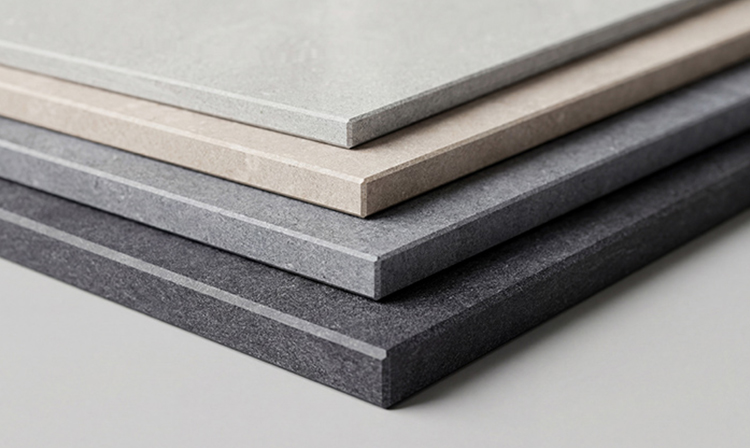
Ceramic tile is made from clay and other mineral materials that are shaped, dried, and fired. “Ceramic tile” is the broad category; porcelain tile is a denser type of ceramic tile. Under ANSI A137.1, porcelain tile has water absorption of 0.5% or less. Many non-porcelain ceramic tiles absorb more water, although the exact value varies by product.
That distinction matters because a kitchen floor, shower wall, backsplash, and outdoor patio experience different levels of moisture, impact, temperature change, and foot traffic. A reliable OEM Tile Supplier should provide the product’s technical data sheet rather than asking buyers to choose from photographs alone.
| Application | Why it can work | Specification to check |
|---|---|---|
| Kitchen backsplash | Resists common splashes and is easier to wipe than porous painted surfaces. | Stain resistance, glaze chemistry, grout type, and cleaning instructions. |
| Kitchen floor | Handles routine foot traffic and food spills when installed over a stable substrate. | Floor-use approval, PEI rating for glazed tile, breaking strength, and slip classification. |
| Bathroom wall | Provides a cleanable finish around sinks, tubs, and shower walls. | Water absorption, wet-area approval, waterproofing system, and grout compatibility. |
| Entryway | Captures dirt and moisture without absorbing it as readily as untreated wood. | Wet slip performance, abrasion rating, texture, and grout maintenance. |
| Outdoor area | Some products tolerate weather and temperature changes. | Exterior approval, frost resistance, water absorption, thermal expansion, and installation method. |
Bathroom walls usually place less mechanical stress on tile than floors, so visual design and cleanability can take a larger role. A ceramic wall tile with a higher absorption rate may be suitable in a dry bathroom wall or backsplash, but shower areas need a complete water-management system. Tile and grout are not, by themselves, a substitute for a waterproof membrane.
Water can enter through cracked grout, movement joints, penetrations, or an improperly installed waterproofing layer. A tile’s low water absorption does not make the wall assembly waterproof. In a shower, use a tested waterproofing system, follow the manufacturer’s thickness and curing requirements, and seal changes of plane with an appropriate flexible sealant rather than rigid grout where the installation standard requires it.
For floors, do not select a glossy wall tile simply because it matches the wall. Ask the OEM Tile Supplier for wet slip-performance data and the intended floor-use classification. A coefficient of friction value is useful only when the test method and application are known; one number should not be treated as a universal guarantee against slipping.
High traffic is not measured only by the number of people in a space. Grit carried by shoes can act as an abrasive, shopping carts can create rolling loads, and uneven subfloors can place stress beneath the tile. A product that performs well in a private bedroom may be unsuitable for a hotel lobby or retail entrance.
Ceramic tile has no single guaranteed lifespan. Its service life depends on tile quality, substrate movement, moisture control, joints, traffic, impact, and maintenance. In a stable, properly prepared installation, the tile surface can remain serviceable for decades, while grout and sealants may need periodic repair sooner. Claims such as “lifetime flooring” should therefore be treated as marketing language unless supported by a defined warranty and installation conditions.
Most glazed ceramic tiles can be cleaned with water and a neutral or manufacturer-approved cleaner. Abrasive powders, highly acidic products, and harsh chemicals can damage some glazes, grout, or metal trims. Cleaning frequency depends on soil load; a commercial entrance may need daily cleaning, while a lightly used residential wall may need only occasional wiping.
Tile transfers heat efficiently because it has relatively low thermal resistance compared with thicker carpet or solid wood. It can be used over electric or hydronic radiant systems when the heating system, uncoupling or crack-isolation layer, adhesive, grout, and movement joints are designed as one assembly. Tile itself does not generate heat, and the actual warm-up time depends on insulation, system output, slab thickness, and controls.
Formats commonly range from small mosaics to large panels. Smaller pieces can follow curved surfaces and provide more grout joints, while large tiles can reduce the number of joints but demand tighter flatness tolerances. Rectified edges may support narrower joints, but they do not eliminate the need for a joint width recommended by the tile and installation standards.
A tiled floor can be uncomfortable for people who stand for long periods, and dropped glassware is more likely to break than on vinyl or cork. Use anti-fatigue mats at kitchen workstations, protect tiles during construction, and keep spare pieces from the original lot. Do not assume a higher price makes a tile impact-proof.
Tile often feels colder than carpet because it draws heat from the feet more efficiently. This is a comfort issue, not necessarily a defect. Area rugs, slippers, insulation beneath the floor, or a properly designed radiant heating system can reduce the sensation.
Grout joints are more porous and vulnerable to staining than many glazed tile faces. Cementitious grout may require sealing according to the grout manufacturer’s instructions, while epoxy grout has different installation and cleaning requirements. Sealer does not make a poorly installed joint waterproof and does not prevent every stain.
Polished and glossy surfaces can become difficult to walk on when water, oil, or soap is present. Avoid polished floor tile in shower bases and wet entrances unless the product is specifically rated for that use. Select a textured or otherwise suitable floor finish, control drainage, and use entrance mats where appropriate.
Cracked tiles are often caused by movement, inadequate mortar coverage, deflection, substrate cracks, missing movement joints, or poor surface preparation rather than by the tile alone. Large-format installation requires attention to substrate flatness and mortar coverage. Hire an installer familiar with the relevant ANSI, TCNA, or local standards, and follow the tile, adhesive, grout, and membrane manufacturers’ instructions.
Tile is not a quick-change floor covering. Removing it can create dust, noise, and substrate damage, and discontinued colors may be impossible to match. Keep spare tiles, installation records, product codes, and batch information after the project is complete.
| Factor | Ceramic tile | Porcelain tile |
|---|---|---|
| Technical category | Broad category of fired clay-based tile products. | A ceramic tile meeting the porcelain water-absorption criterion of 0.5% or less under ANSI A137.1. |
| Typical use | Walls, backsplashes, bathrooms, and selected interior floors. | Wet areas, demanding floors, many exterior applications, and projects needing lower absorption. |
| Weight and cutting | Often easier to cut, depending on density and format. | Usually denser and may require better-quality cutting tools. |
| Moisture performance | Varies widely by product; check the published absorption value. | Lower absorption by definition, but grout, joints, substrate, and waterproofing still matter. |
| Price | Can be economical, but price varies with format, finish, and manufacturing process. | Can cost more, although some porcelain products are competitively priced. |
Neither category is automatically “better.” A porcelain tile may be unnecessary for a dry interior wall, while a moisture-sensitive ceramic product may be a poor choice for an exterior freeze-thaw application. Compare the actual technical sheet, not only the product name.
Ceramic tile is usually worth considering when the priority is a cleanable, hard-wearing surface with a broad design range and compatibility with radiant heating. It is less attractive when the project requires a soft, quiet, warm surface, rapid installation, or frequent changes to the floor.
A practical decision can be made with five questions:
If the answer to all five is yes, ceramic tile can be a sound long-term material choice. If the answer to any question is uncertain, ask JBN or another qualified OEM Tile Supplier for test data, application guidance, installation instructions, and warranty conditions before ordering.
Measure the net area, identify doors and fixtures, and inspect for cracks, moisture, unevenness, deflection, and movement joints. A tile installer should assess the substrate rather than simply covering visible defects.
Draw the layout before installation. Avoid narrow slivers at visible edges, allow for the required joint width, and check how the pattern aligns with doors, drains, cabinets, and focal walls.
Order enough tile from one lot to cover the measured area, cutting waste, pattern matching, and future repairs. Ten percent extra is a common starting allowance for straightforward layouts, but diagonal patterns, herringbone designs, many niches, or irregular rooms can require more.
Use the specified primer, waterproofing membrane, crack-isolation membrane, mortar, adhesive, grout, sealant, and movement joints. Product compatibility matters; mixing systems without approval can affect bonding and warranty coverage.
Follow the mortar’s open time, coverage, curing, and grouting instructions. Keep construction traffic off the surface for the period specified by the installation products. Do not judge final color or haze before the grout has fully cured and the surface has been cleaned according to the manufacturer’s instructions.
No. Some ceramic tiles have low water absorption, but tile and grout do not automatically create a waterproof assembly. Wet areas need an appropriate waterproofing system behind or beneath the tile.
Only if the manufacturer specifically approves it for floor use and the product meets the project’s wear, strength, and slip requirements. Wall-only tile should not be used on floors.
Porcelain has a lower water-absorption limit and is often selected for demanding environments, but “stronger” depends on the specific product, thickness, format, installation, and test result. Request breaking-strength and application data rather than relying on category labels.
PEI applies mainly to glazed tile surface abrasion. The required rating depends on traffic, grit, footwear, and the manufacturer’s use recommendations. A residential kitchen should use a product explicitly approved for residential floor traffic; commercial or public areas require a higher level of review.
Many glazed tile surfaces do not require sealing, but cement-based grout, unglazed tile, and some natural or specialty surfaces may. Follow the specific tile and grout manufacturer’s instructions. Sealer is not a replacement for correct waterproofing or cleaning.
For a simple room, approximately 10% extra is often used as a planning allowance for cuts and breakage. Increase the allowance for diagonal layouts, complex patterns, irregular rooms, or future repair needs. Confirm the quantity with the installer before placing the order.
Sometimes, but only when the existing surface is stable, clean, sufficiently flat, properly bonded, and compatible with the new installation system. Height at doors, appliances, transitions, and stairs must also be checked. Covering a failing floor does not correct the underlying movement.
Ceramic tile is a strong candidate for backsplashes, bathroom walls, selected residential floors, entryways, and other areas where cleanability and hard-surface durability matter. Choose porcelain or a specifically rated ceramic product for lower-absorption, heavy-traffic, exterior, or freeze-thaw conditions. Avoid wall-only tile on floors, glossy surfaces in persistently wet walking areas, and installations over unstable substrates. For anyone comparing the ceramic tile pros and cons for kitchen floors, the best ceramic tile for bathroom walls, or how to choose ceramic tile for high-traffic areas, the decisive factors are glazed tile, water absorption, and slip resistance, verified through the PEI rating, coefficient of friction, and rectified edge specifications supplied by a credible OEM Tile Supplier such as JBN.
Feel free to reach out for any queries. We would be happy to help!
We look forward to working with you.
Navigation
Navigation
Contact Us
Telephone: 0086-757-83327093
E-mail: jbn002@jbnjbn.com
WhatsApp: +86 136 9028 1303
WeChat: +86 136 9028 1303
Address:Building 4, Area B, Ceramics International Trading Center, Jihua Xi Road, Foshan, Guangdong, China
Get in Touch
Get in Touch