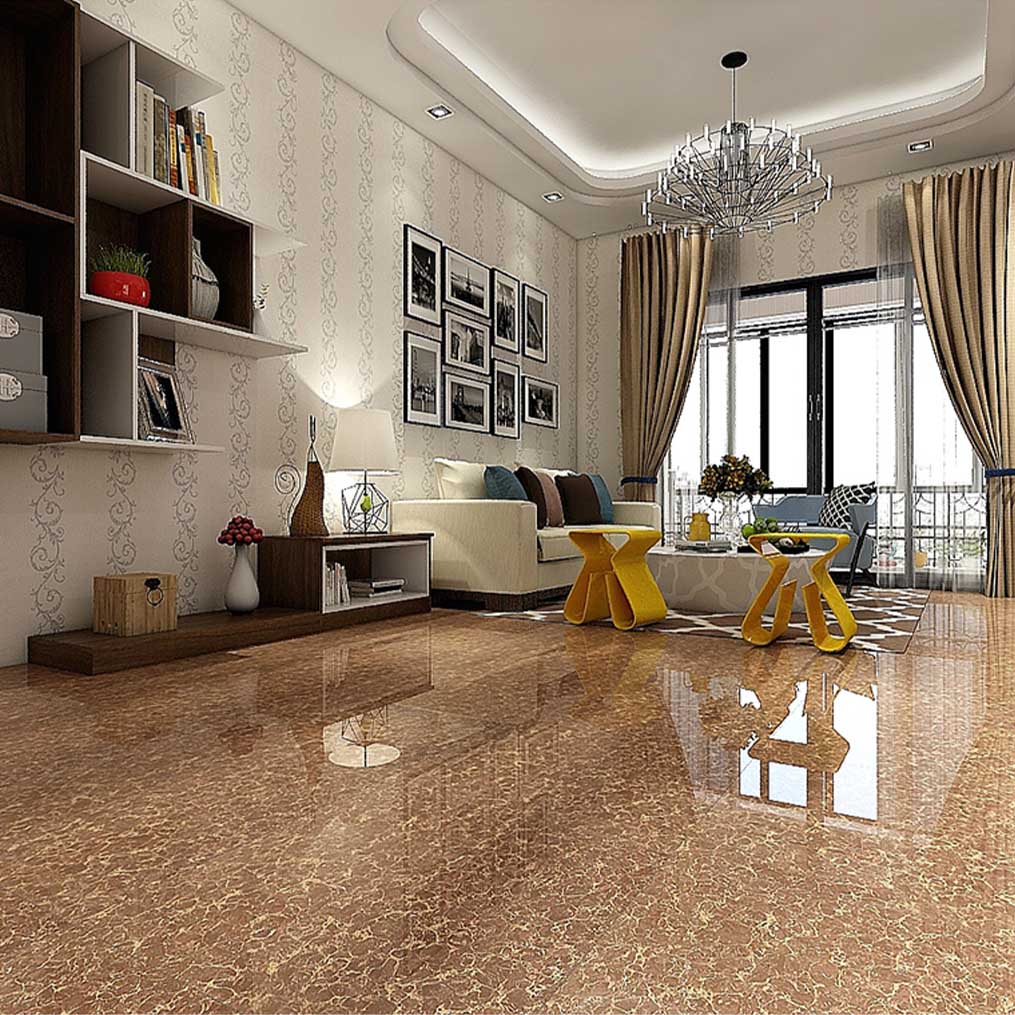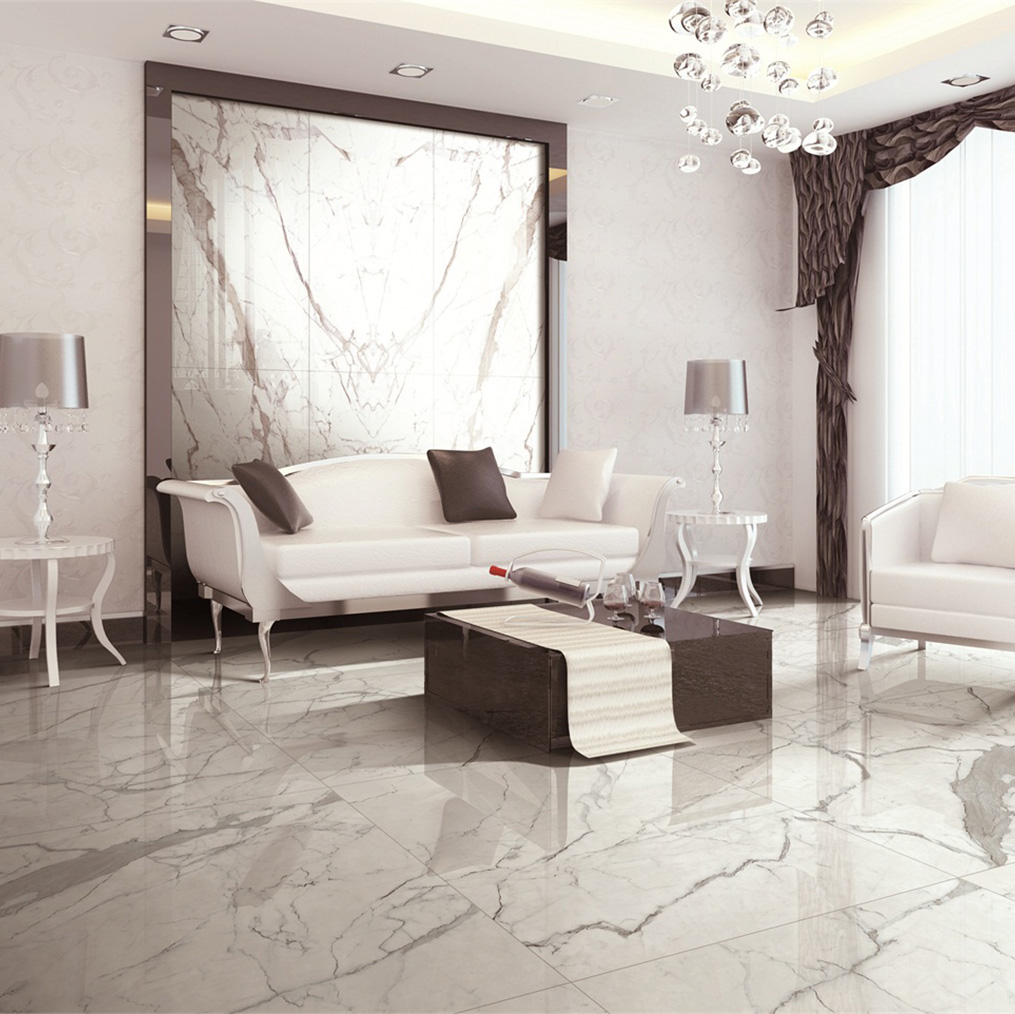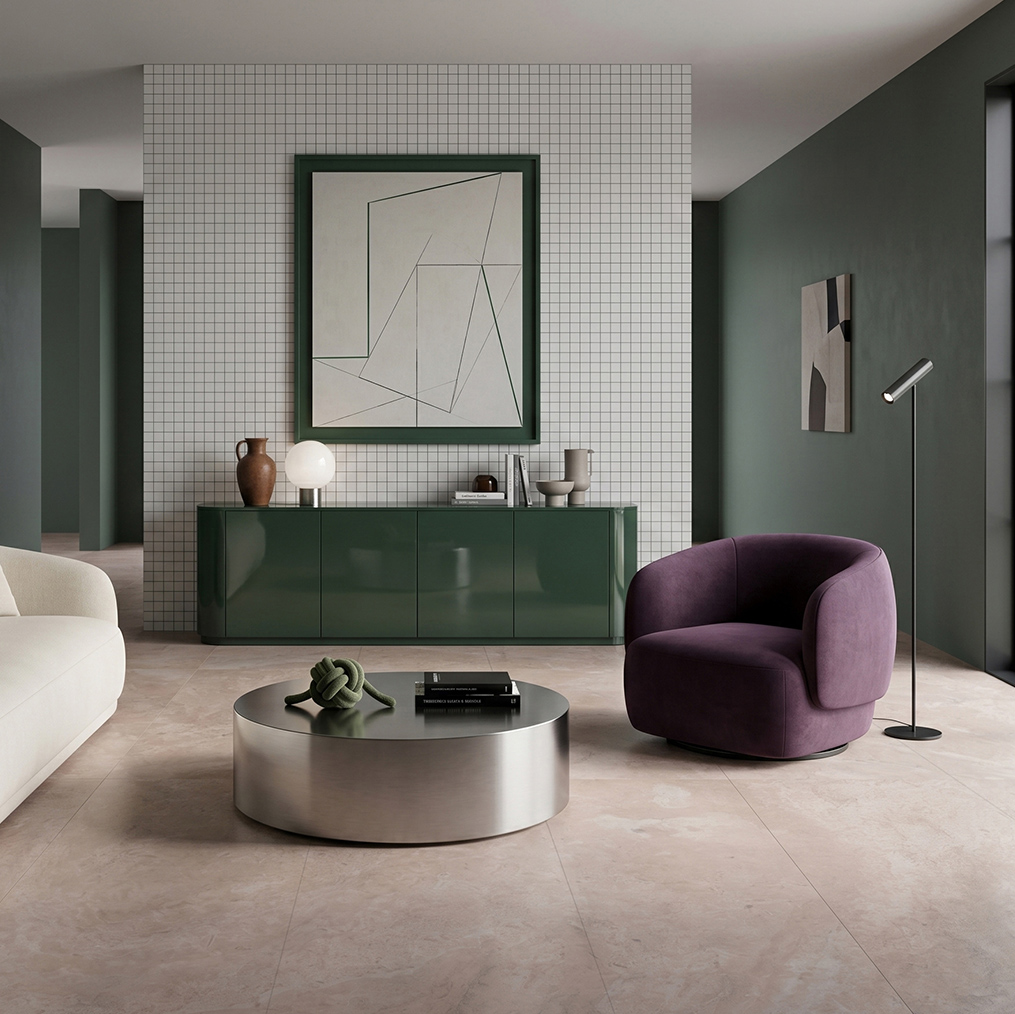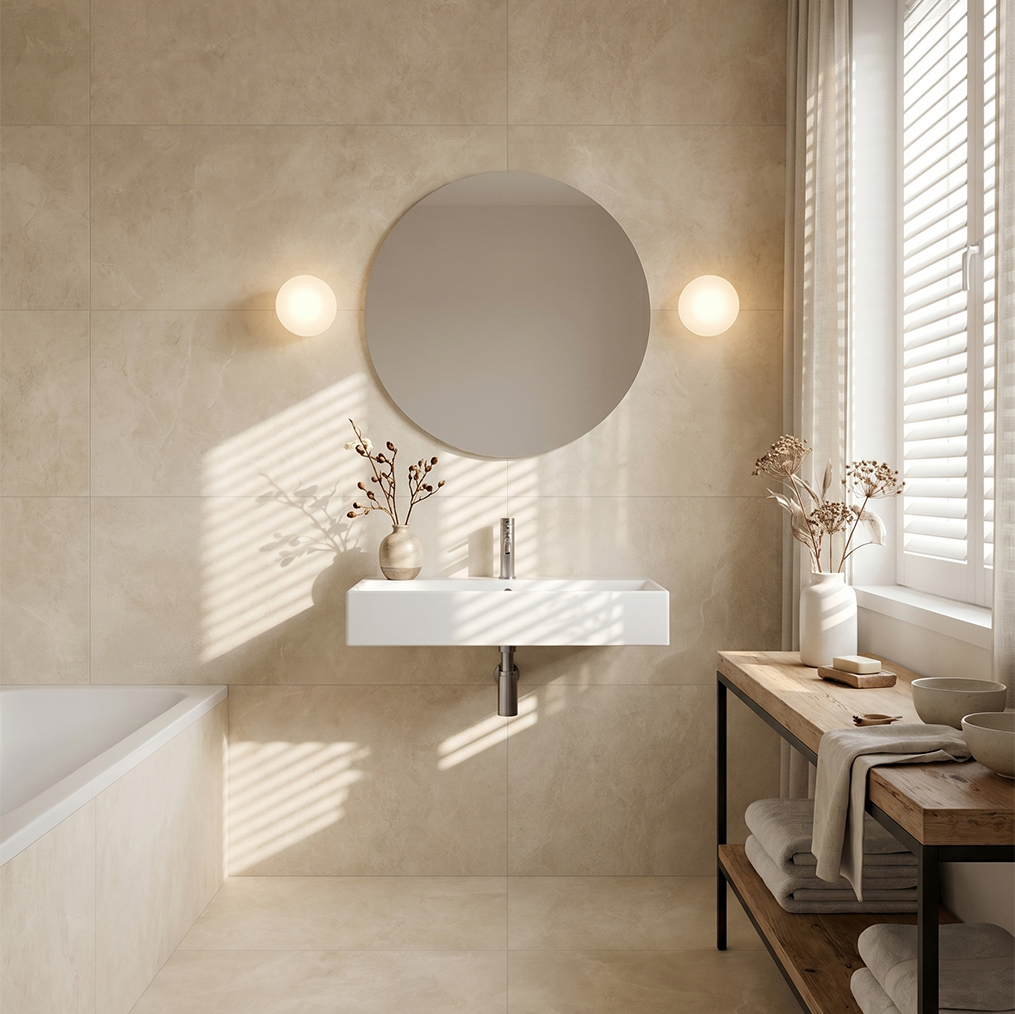

Choosing a Porcelain and Ceramic Tile Supplier is only the first step when a bright floor begins showing coffee marks, grout haze, or dull patches. Polished porcelain tiles are manufactured with low water absorption, but their smooth appearance does not make them completely stain proof. The right answer to "how to prevent polished porcelain tiles from staining" depends on surface finish, installation quality, cleaning chemicals, and daily use. With a suitable cleaning routine, careful grout removal, and professional advice from an experienced OEM Tile Supplier such as JBN, homeowners and project managers can reduce discoloration without damaging the gloss.

Can Polished Porcelain Tile Stain? An OEM Tile Supplier Explains
Yes, polished porcelain tile can develop visible marks, although the tile body itself is generally highly resistant to liquid absorption. The most common problem is not deep penetration into the porcelain. It is usually residue, surface contamination, grout haze, metal transfer, or a chemical reaction that changes the appearance of the finish.
Under ANSI A137.1, porcelain tile is classified by a water absorption value of 0.5 percent or less when tested according to the relevant standard method. The Tile Council of North America also explains that porcelain tile is a type of ceramic tile with very low water absorption. This low absorption helps limit staining, but it does not guarantee that every polished surface will remain mark free.
Polishing can expose microscopic pores or depressions that were not exposed on an unpolished surface. During factory production, some manufacturers apply a protective treatment, while others recommend sealing after installation. A buyer should therefore confirm the technical data sheet with the OEM Tile Supplier instead of assuming that all polished porcelain products have the same protection.
Why a Polished Porcelain Tile Supplier Warns About Surface Residue
A polished tile may look stained when the actual problem is a layer sitting on top of the surface. Typical examples include:
- Grout haze: Cement residue left after grouting can dry into a cloudy film.
- Construction dust: Fine cement, plaster, and adhesive particles can collect in microscopic surface depressions.
- Oil and food residue: Cooking oils, cosmetics, and shoe traffic can create dark or dull patches.
- Metal marks: Furniture legs, ladders, tools, and rubber-backed items may leave gray or black transfer marks.
- Hard-water deposits: Calcium and magnesium deposits can appear as white spots or a cloudy film.
- Incorrect chemicals: Strong acids, abrasive powders, or highly alkaline products may etch, dull, or leave residue on the finish.
What Causes Polished Porcelain Tile Stains? OEM Tile Supplier Inspection Guide
1. The Tile Has a Polished Rather Than Fully Vitrified Appearance
Porcelain is dense, but polishing changes the top surface. The result is a reflective finish that may show fingerprints, water spots, and residue more clearly than a matte or textured finish. This is a visibility issue as well as a cleaning issue. A matte tile may hide a mark that would be obvious on a dark, high-gloss tile.
2. Grout Was Not Removed Before It Dried
Grout haze is one of the most frequent post-installation complaints. If cement-based grout is allowed to dry on the tile face, ordinary neutral cleaner may not remove it. A cement haze remover may be needed, but it should be selected according to the tile and grout manufacturer's instructions. Acidic cleaners should not be used casually because they can damage cement grout, natural stone nearby, metal trims, or polished surfaces.
3. The Cleaning Tool Spreads Rather Than Removes Soil
A dirty mop can redistribute oil and dust across the floor. A heavily diluted cleaner may also leave surfactant residue. The better method is to use clean water, a clean microfiber mop, and a measured amount of neutral-pH cleaner. Change the rinse water when it becomes visibly dirty.
4. The Wrong Sealer Is Applied
Some polished porcelain tiles do not require a topical sealer, and a film-forming product may leave streaks, yellowing, or a slippery layer. If the manufacturer recommends protection, a suitable penetrating sealer is usually considered because it is designed to enter absorbent pores without forming a visible coating. However, sealing is not a substitute for cleaning, and the product must be tested on an inconspicuous area first.
How to Prevent Polished Porcelain Tile Stains: OEM Tile Supplier Tips
Tip 1: Confirm Water Absorption and Surface Treatment Before Purchase
Why: Product specifications help you choose a tile with performance appropriate for the room instead of judging only by color and gloss.
Operation method:
- Ask the Porcelain and Ceramic Tile Supplier for the technical data sheet.
- Confirm that the product is classified as porcelain tile and has water absorption of 0.5 percent or less under the applicable test standard.
- Ask whether the tile is polished, glazed polished, or factory treated.
- Request care instructions, recommended cleaners, and sealing guidance.
- Test a sample with coffee, cooking oil, and colored water for the planned contact time before approving a large order.
This step is especially suitable for hotels, retail projects, kitchens, entrance halls, and buyers ordering tiles from an overseas OEM Tile Supplier. A sample test cannot replace a certified laboratory test, but it can reveal whether the selected finish shows obvious residue or cleaning difficulties.
Tip 2: Protect the Tile During Installation
Why: Construction contamination is easier to prevent than to remove after it hardens.
Operation method:
- Store cartons in a dry, covered area away from cement dust and standing water.
- Use clean tools and avoid dragging metal equipment across the face of the tile.
- Remove adhesive and grout smears while they are still fresh, following the product instructions.
- Do not allow cement grout to dry as a thick film on polished surfaces.
- After installation, cover the finished floor with breathable protection that does not transfer dye or adhesive.
- Keep heavy traffic off the floor until grout and adhesive have reached the required cure time.
This method is most appropriate for new construction and renovation projects. Rectified edges can create narrow, precise joints, but they also require a flat substrate and careful installation. A narrow joint does not eliminate grout haze or protect the tile from construction debris.
Tip 3: Use a Neutral Cleaner and a Two-Step Mopping Routine
Why: Neutral cleaning products remove routine soil while reducing the risk of chemical damage and detergent buildup.
Operation method:
- Remove loose dust with a soft broom, dust mop, or vacuum suitable for hard floors.
- Dilute a neutral-pH cleaner according to its label rather than adding extra product.
- Mop a small area first, using a clean microfiber mop.
- Rinse the mop frequently and replace dirty water.
- Perform a second pass with clean water if the surface feels sticky or looks streaked.
- Dry the floor with a clean microfiber cloth in areas where water spots are common.
This is generally the best cleaner for polished porcelain tile during normal household or commercial maintenance: a manufacturer-approved neutral cleaner used at the stated dilution. Avoid steel wool, abrasive scouring powders, wax, and unapproved topical coatings. For a large facility, use a written cleaning schedule and train staff to measure dilution rather than estimating it by eye.
Tip 4: Remove Spills Quickly and Match the Treatment to the Mark
Why: Prompt removal limits the time that oils, pigments, and minerals remain on the surface and reduces the chance of a visible residue.
Operation method:
| Mark or spill | First response | Important caution |
|---|---|---|
| Coffee, tea, juice, or colored drinks | Blot, then wash with clean water and a neutral cleaner. | Do not scrub with a rough pad that can create visible abrasion. |
| Cooking oil or cosmetics | Blot first, then use a tile-safe degreasing cleaner as directed. | Rinse thoroughly so detergent does not form a film. |
| Hard-water spots | Use a product specifically approved for porcelain and the surrounding materials. | Acidic products can damage grout, stone, metal, and some finishes. |
| Grout haze | Identify the grout type and use the corresponding haze-removal product. | Test first and follow the dwell time and dilution instructions. |
| Metal scuffs | Use a non-abrasive, tile-safe mark remover and a soft pad. | Do not use metal blades or aggressive abrasive tools. |
This advice is suitable for homes with children or pets, restaurants, hotel lobbies, and other areas where spills are likely. The goal is not to use the strongest chemical. The goal is to identify the residue and use the mildest effective treatment.
Tip 5: Test and Apply a Penetrating Sealer Only When Recommended
Why: A compatible penetrating sealer may reduce the risk of some contaminants entering absorbent areas, while an unsuitable topical product can create a new maintenance problem.
Operation method:
- Read the tile manufacturer's care instructions before buying sealer.
- Confirm whether the tile, grout, or both require protection.
- Clean and dry the surface completely before application.
- Apply the product to a spare tile or hidden area first.
- Observe the color, gloss, slip characteristics, and drying result.
- Apply only the stated amount and remove excess product before it dries on the surface.
- Allow the stated curing period before normal traffic or wet cleaning.
This technique is most useful when the grout is absorbent, the tile has exposed micro-texture, or the OEM Tile Supplier specifically recommends it. It is less suitable when the product is designed only for unglazed, highly absorbent tile and the selected porcelain has a low-absorption polished surface.
How to Clean Polished Porcelain Tile After a Stain: OEM Tile Supplier Procedure
Use the following process for a normal surface mark:
- Identify the mark. Decide whether it is food, oil, grout, mineral deposit, metal transfer, or a chemical residue.
- Remove loose material. Vacuum or wipe away dust before adding liquid.
- Start with the mildest method. Use warm water and a soft microfiber cloth.
- Add a compatible cleaner. Use a neutral cleaner for routine soil or a product specifically labeled for the identified residue.
- Control contact time. Do not allow a chemical solution to dry on the tile.
- Rinse completely. Cleaner left behind can look like a stain.
- Dry and inspect under natural light. A wet surface can hide streaks and uneven gloss.
- Escalate carefully. If the mark remains, contact the tile manufacturer or a qualified tile-care professional before using acid, solvent, abrasive tools, or a polishing compound.
Always test a cleaning product on an extra tile or hidden area. Do not mix cleaning chemicals. In particular, never mix chlorine bleach with acids or ammonia-based products because dangerous gases or reactions can occur.
Polished Porcelain Tile Maintenance by Room: OEM Tile Supplier Recommendations
Kitchen and Dining Areas
Wipe oil, sauces, and colored drinks soon after a spill. Place non-staining mats near cooking and dining zones, but check that the mat backing is suitable for polished tile and does not transfer rubber or dye. Clean the underside of the mat regularly because trapped grit can scratch or mark the surface.
Bathrooms and Shower Areas
Remove standing water with a squeegee or soft towel to reduce mineral deposits. Use a bathroom cleaner approved for porcelain and grout. Avoid assuming that a product labeled "natural" is harmless; acids such as vinegar or citric acid can affect cement grout and nearby stone, especially after repeated use.
Entryways and Commercial Lobbies
Use walk-off mats at entrances and clean them according to the manufacturer's instructions. Grit carried by shoes is abrasive and can reduce the visual quality of a polished finish over time. For commercial floors, select a cleaning plan based on traffic volume and soil load rather than using a stronger chemical every day.
Outdoor or Wet Applications
Glossy polished tile is often unsuitable for areas where slip resistance is a priority. Ask the OEM Tile Supplier for the product's wet slip information and intended-use guidance. The dynamic coefficient of friction, or DCOF, is one professional term used in tile selection, but a single rating should not be treated as a complete safety assessment for every installation. Drainage, footwear, slope, maintenance, and local building requirements also matter.
When to Contact a Polished Porcelain Tile Supplier or Professional Cleaner
Contact JBN or another qualified tile-care professional when:
- The tile changes color after an acid, solvent, wax, or sealer has been applied.
- Cleaning removes some areas but leaves uneven gloss or cloudy patches.
- Grout haze remains after the correct product has been tested and used according to its instructions.
- The surface has scratches, etching, or permanent metal transfer.
- Different cartons show different shade, gloss, or surface behavior.
- The floor is part of a hotel, hospital, retail store, or other high-traffic project where a failed treatment would be costly.
Ask for the batch number, installation date, grout type, cleaning products used, photographs under consistent lighting, and a spare tile if available. This information helps distinguish a stain from a manufacturing variation, grout residue, surface etching, or installation-related problem.
Key Points for Polished Porcelain Tile Maintenance from an OEM Tile Supplier
- Porcelain tile with water absorption of 0.5 percent or less is highly resistant to liquid absorption, but polished tile is not completely stain proof.
- Many apparent stains are grout haze, detergent residue, hard-water deposits, oil, or metal transfer on the surface.
- Confirm the finish, technical data, cleaning instructions, and sealing recommendation before purchase.
- Use protection during installation and remove grout residue before it hardens.
- For daily care, use measured neutral cleaner, clean water, microfiber tools, and prompt spill removal.
- Do not apply a topical sealer or strong acid unless the tile and product manufacturers approve the treatment.
- Use a sample test and professional advice for large commercial projects or unexplained discoloration.
FAQ: Polished Porcelain Tile Stains and OEM Tile Supplier Advice
Does polished porcelain tile need to be sealed?
Not always. The need depends on the tile's surface treatment, absorption characteristics, grout type, and manufacturer's instructions. Some polished porcelain products are factory treated or have sufficiently low absorption that sealing the tile is unnecessary. Grout may still benefit from a compatible sealer. Confirm the recommendation with the OEM Tile Supplier and test the product before full application.
Can vinegar clean polished porcelain tile?
Vinegar is acidic, so it should not be treated as a universally safe tile cleaner. Repeated acid exposure may affect cement grout and can damage nearby acid-sensitive stone or metal. Use a manufacturer-approved neutral cleaner for routine maintenance, and use a specialized product only when the residue requires it.
Why does my new polished porcelain floor look cloudy?
The likely causes include grout haze, adhesive residue, construction dust, detergent film, hard-water deposits, or uneven reflection from the polished surface. Photograph the area in natural light, check the installation materials, and ask the installer or supplier to identify the residue before using an aggressive chemical.
Are dark polished porcelain tiles more likely to stain?
Dark tiles are not necessarily more absorbent, but they show dust, water spots, fingerprints, and pale residue more clearly. Their appearance can therefore suggest a higher staining risk even when the tile has the same water absorption value as a light-colored product.
Can coffee permanently stain polished porcelain?
Promptly cleaned coffee will usually remain a surface-cleaning issue rather than a deep stain on properly manufactured porcelain. Permanent discoloration is more likely when the surface has an incompatible coating, an etch mark, an existing defect, or residue trapped in microscopic depressions. Blot the spill, clean with a neutral tile cleaner, rinse, and dry the area.
What should I ask a Porcelain and Ceramic Tile Supplier before ordering?
Ask for the water absorption classification, test standards, finish description, slip and intended-use guidance, shade variation, cleaning instructions, sealing advice, recommended grout, and batch-control information. Request a physical sample and perform a small cleaning and stain-resistance test before approving the full order. These checks are especially valuable when sourcing from an OEM Tile Supplier for a multi-room or commercial project.
Sources and Technical References for Polished Porcelain Tile Care
- Tile Council of North America, Tile Industry FAQs and technical guidance
- ASTM International, ASTM C373 standard for water absorption of ceramic tile
- American National Standards Institute, standards information for ANSI tile standards
- U.S. Centers for Disease Control and Prevention, safe cleaning and chemical handling guidance
- U.S. Occupational Safety and Health Administration, chemical hazard information
In short, polished porcelain tile is designed to resist moisture and common staining, but its appearance depends on more than the tile body alone. Choose a qualified Porcelain and Ceramic Tile Supplier, verify water absorption and surface treatment, prevent construction residue, use the best cleaner for polished porcelain tile for the specific soil, and follow a consistent polished porcelain tile maintenance plan. These steps give homeowners and project teams a practical way to prevent polished porcelain tiles from staining while protecting the finish supplied by JBN.