17,Nov 2026
Polished GVT generally offers broader designs and easier visual customization, while double-charge tiles provide a deeper wear layer and stronger resistance for demanding floors. The better value depends on traffic, surface finish, cleaning expectations, replacement risk, installation conditions, and budget rather than on tile category alone.
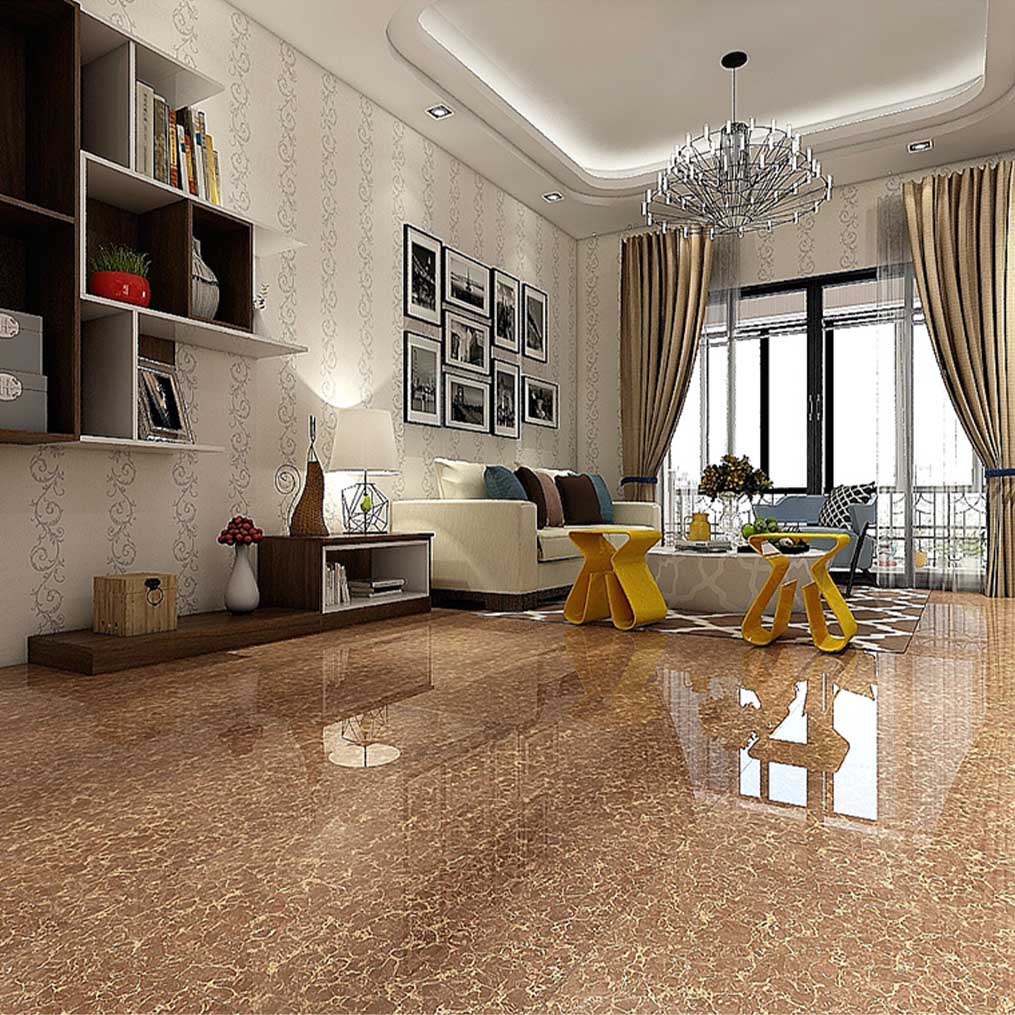
When I compare Full Polished Glaze vs Double-Charge Tiles: Which Offers Better Value?, I focus on more than the showroom appearance. I examine how each tile is made, how much of the body carries the visual pattern, how the polished surface behaves under traffic, and what maintenance the finished floor will require. I also separate the purchase price from the full installed and replacement cost.
!
I assess these tiles using five practical criteria: construction, visual performance, wear resistance, maintenance, and lifecycle cost. Construction explains how much design material sits near the surface and what may appear after abrasion or edge damage. Visual performance covers shade consistency, pattern depth, polish uniformity, and whether the design remains suitable after installation.
I also examine polished porcelain tile durability and maintenance, including water absorption, stain response, scratch visibility, cleaning effort, and slip behavior. Finally, I consider room conditions, traffic volume, installation tolerances, and the cost of replacing a discontinued or mismatched batch. This approach gives homeowners, designers, and commercial buyers a more useful comparison than price per box alone.
| Factor | Full Polished Glaze Tiles | Double-Charge Porcelain Tiles |
|---|---|---|
| Construction | Porcelain body with a printed or decorated glazed surface, followed by polishing | Porcelain body with a thicker two-layer decorative composition pressed into the upper section |
| Design range | Usually broader, including marble, stone, concrete, and high-variation patterns | Often more limited, with stronger emphasis on repeated granular or stone-like designs |
| Visual depth | Strong surface graphics and color variation | Deeper color presence near the upper wear zone |
| Wear response | Surface design may show more change if heavily abraded | Better resistance to visible wear where the upper decorative layer remains intact |
| Maintenance | Smooth polished surface is easy to wipe, but scratches and stains may show | Smooth surface is also easy to clean, but darker or granular patterns may retain visible residue |
| Typical suitability | Living rooms, feature floors, bedrooms, walls, and moderate-traffic interiors | Shops, offices, corridors, lobbies, and other high-traffic indoor floors |
| Main limitation | Glaze and polish can show scratches, edge chips, or traffic paths in demanding areas | Heavier handling, fewer visual options, and possible polished-surface staining |
| Value priority | Design flexibility and controlled appearance | Wear resistance and reduced replacement risk |
The difference between full polished glaze and double-charge tiles is mainly the relationship between the decorative layer and the tile body. A polished glazed tile usually relies on a printed or digitally applied surface design protected by glaze and polishing. A double-charge tile combines two colored or decorative powders, placing the pattern into a deeper upper layer before pressing and firing.
Neither construction automatically guarantees better performance in every room. A glazed tile with suitable technical ratings and correct installation can perform well in residential flooring, while a double-charge tile can still disappoint if the polished surface is used in wet, dirty, or poorly maintained conditions. I therefore treat construction as one part of the decision, not the entire decision.
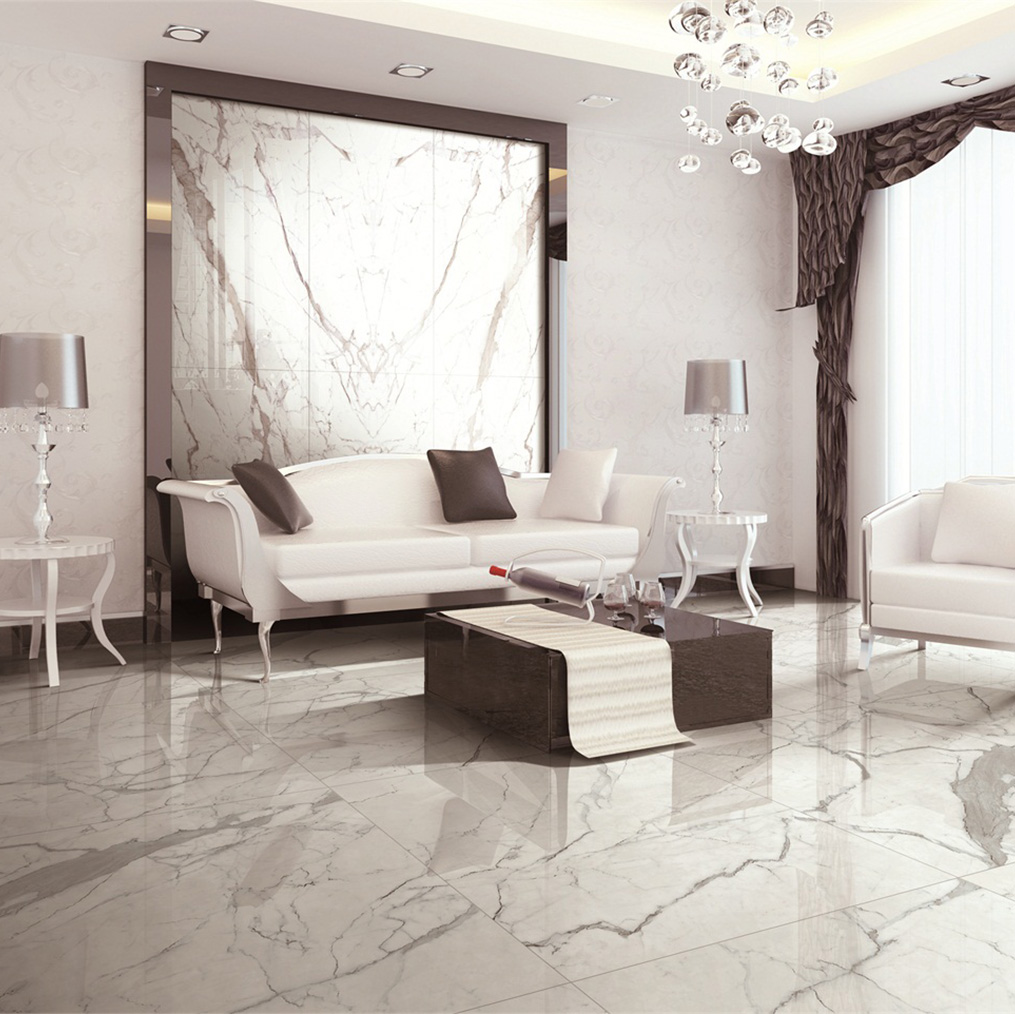
Full polished glaze tiles, often discussed as polished glazed vitrified tiles or polished GVT, begin with a dense porcelain or vitrified body. A decorative layer is applied above the body, then the tile is fired and mechanically polished to produce a reflective finish. The visible pattern can be designed to imitate marble, limestone, concrete, terrazzo, wood, or other materials.
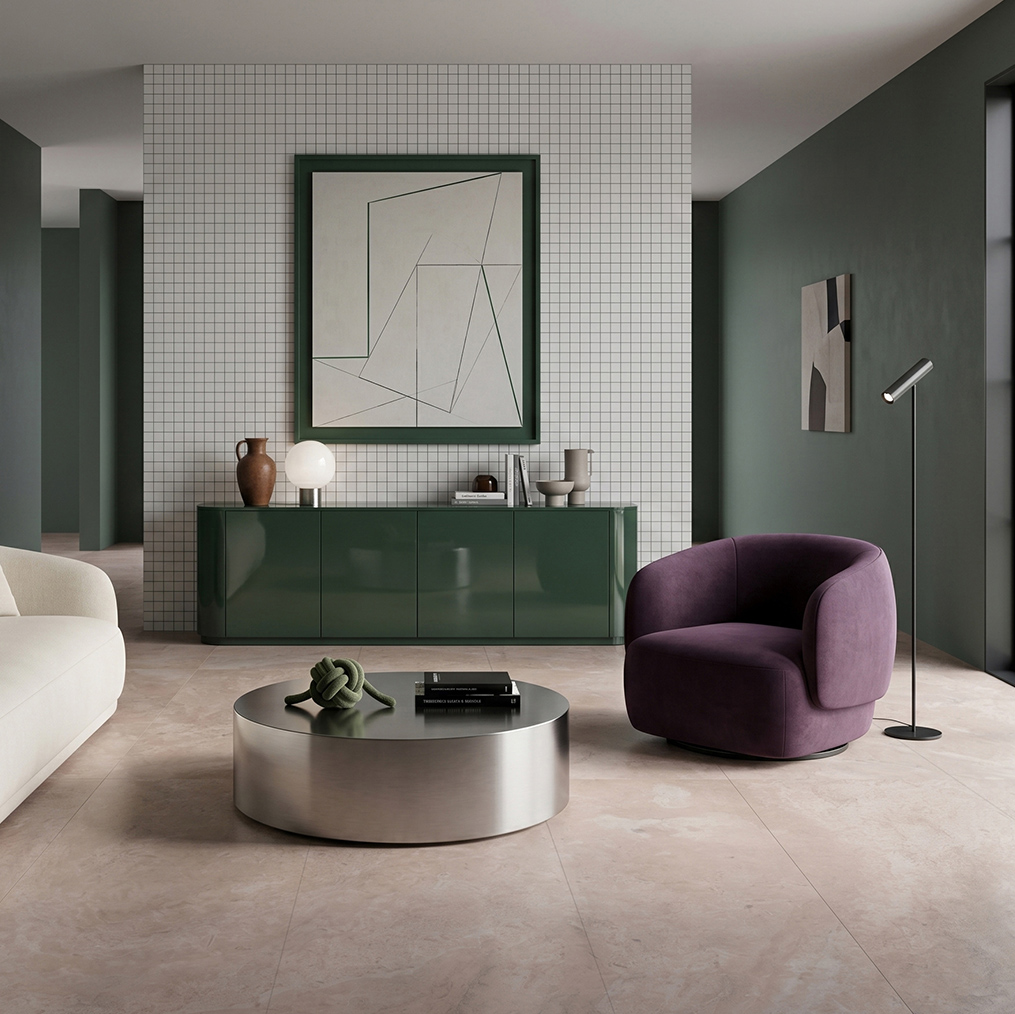
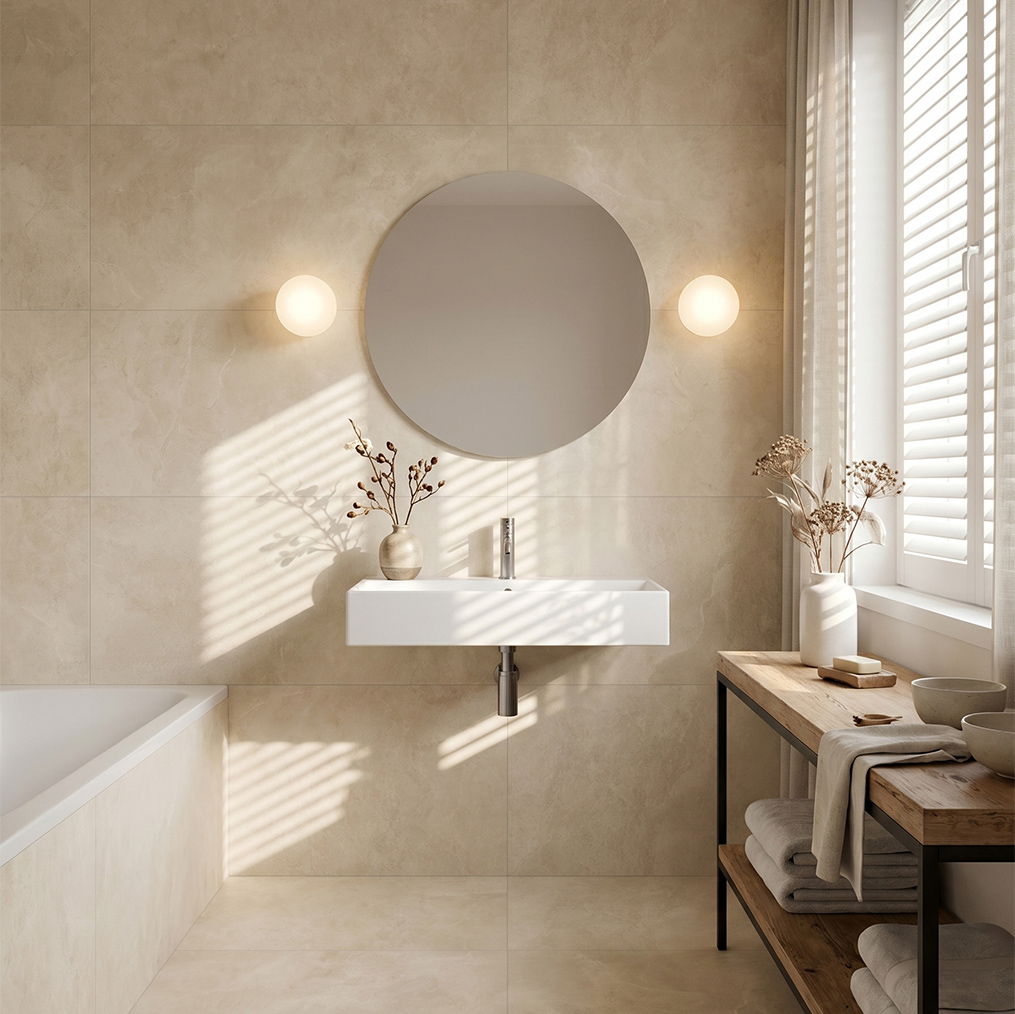
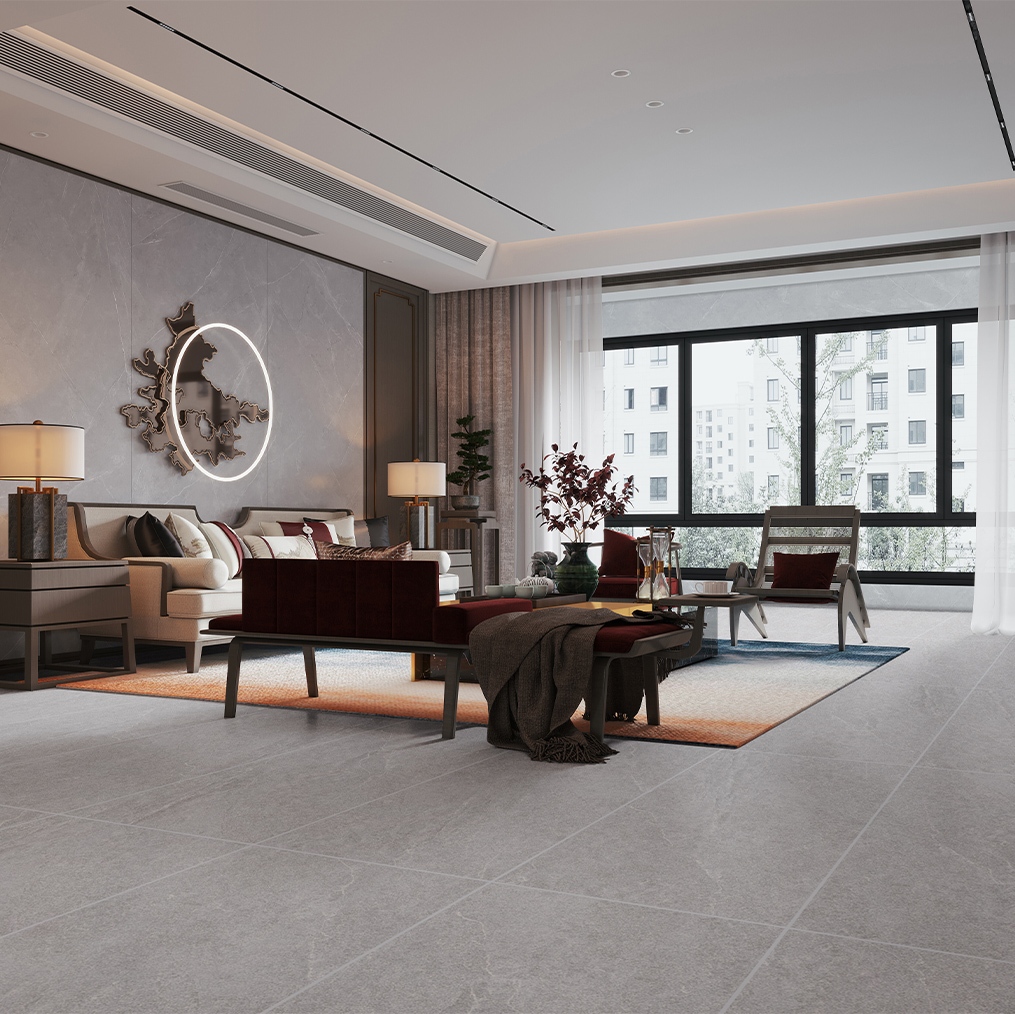
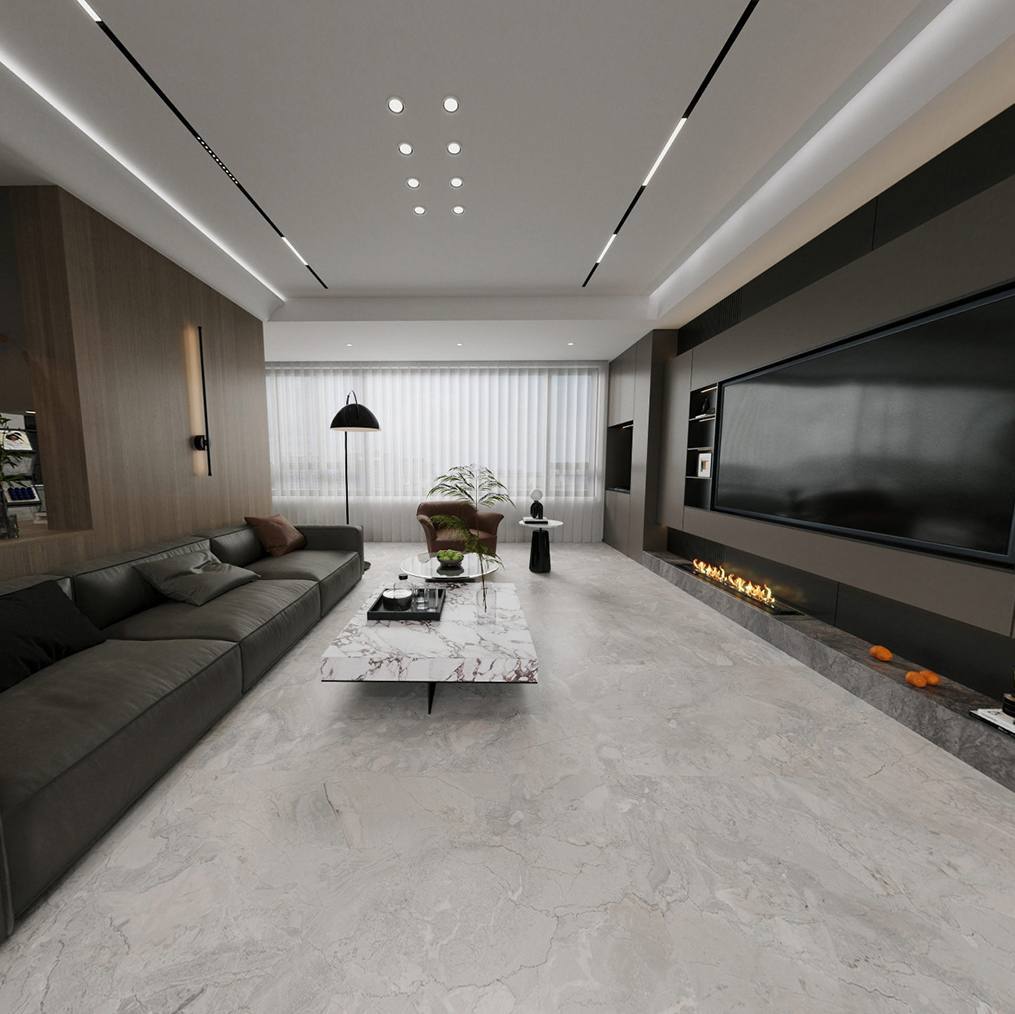
This construction gives designers a wide choice of colors, vein structures, shade variation, and surface graphics. For a living room or residential flooring project, that flexibility can matter more than maximum wear-layer depth because the buyer may be matching cabinetry, wall colors, furniture, or a specific stone reference. Large-format Polished Glazed Tiles can also create a continuous visual field when shade and batch consistency are carefully controlled.
The limitation is that the visual effect is concentrated near the surface. If the polished face is deeply scratched, chipped, or aggressively abraded, the damaged area may contrast with the original pattern. Edge protection, correct adhesive coverage, careful handling, and clean grout installation reduce this risk. I would request samples from the actual production batch rather than judging only from a showroom panel.
Full polished glaze tiles are often a practical choice where appearance and customization carry substantial value. They can be appropriate for living rooms, bedrooms, hotel interiors, reception areas, and moderate-traffic offices. I would be more cautious in shop entrances, public corridors, restaurant service zones, and areas where sand or grit is regularly tracked across the floor.
Double-charge porcelain tiles are made by combining two layers of colored or decorative powder before pressing. The upper decorative section is generally thicker than a conventional printed surface, so the design remains present farther below the polished face. After pressing, drying, firing, and polishing, the finished tile presents a dense surface with a pattern that is integrated into the upper body.
The main benefit is a larger visual wear reserve. In high-traffic areas, repeated foot movement, grit, and trolley use can gradually reduce polish or alter the surface appearance. A deeper decorative zone may make this change less obvious than it would be on a thin surface graphic. This is why double-charge porcelain tiles are commonly considered for commercial floors, corridors, offices, retail spaces, and busy shared areas.
However, double charge does not mean the tile is immune to scratching, staining, or polish loss. A polished surface can still mark when abrasive particles are dragged across it, and darker colors may reveal dust, water marks, or oily residue more clearly. The tiles may also be heavier to handle, and the design range can be narrower than that of digitally printed polished GVT.
For cost evaluation, I compare the purchase quote with handling, cutting, installation, cleaning, and replacement exposure. A double-charge tile may justify a higher initial price when a busy floor would otherwise require earlier repairs or replacement. In a low-traffic home, the additional construction may deliver less financial value if the buyer mainly wants a specific marble pattern or lower upfront spending.
For demanding indoor traffic, double-charge tiles usually have the structural advantage because their decorative layer extends farther into the upper body. That advantage matters when surface wear is likely to occur across large areas rather than as isolated damage. Full polished glaze can still be durable, but its long-term appearance depends more heavily on the glaze, polish, body density, abrasion rating, and maintenance conditions.
I would not select either tile without checking the technical documentation. Ask for water absorption, abrasion or wear classification, breaking strength, surface scratch information, shade variation, and recommended application. A tile’s performance must be matched to the actual floor environment, including grit, moisture, furniture movement, wheeled loads, and cleaning chemicals.
The finish also changes the practical result. Both polished GVT and polished double-charge tiles can be slippery when wet because the reflective surface has limited texture. For bathrooms, balconies, entrances, and outdoor areas, I would compare matte, structured, grip, or textured alternatives rather than assuming double charge is safer.
Both categories are generally straightforward to clean when the surface is intact, the grout is correctly installed, and spills are removed before they dry. A neutral cleaner, clean water, soft microfiber equipment, and routine dust removal are normally safer than abrasive powders or aggressive acids. I recommend testing any cleaning product on an inconspicuous area because polished surfaces can show chemical dulling or residue.
Full polished glaze may make stains easy to wipe from the surface, but scratches or local polish damage can become visually noticeable. Double-charge tiles may hide small changes in the decorative layer better, yet some dark or granular designs can make soap film, oily marks, and tracked dust easier to see. Maintenance therefore depends on both construction and color selection.
For wet rooms, cleaning is only one issue. Water management, grout selection, floor slope, ventilation, and slip resistance affect the daily result. A polished tile that is easy to wipe may still be an unsuitable bathroom-floor choice if the surface becomes slippery under standing water.
| Application | Preferred starting point | Why | Important caution |
|---|---|---|---|
| Living rooms | Full polished glaze or double charge | Design variety and moderate traffic can support either option | Protect edges during furniture installation |
| Kitchens | Full polished glaze with suitable technical ratings | Broad design range and simple surface cleaning | Control grease, grit, and wet-floor slip risk |
| Bathrooms | Matte or textured porcelain is often safer than either polished option | Slip performance is more important than reflective appearance | Check wet slip behavior before purchase |
| Balconies | Outdoor-rated textured porcelain | Better grip and weather suitability | Do not assume polished double charge is outdoor-safe |
| Stairs | Textured or stair-specific tile | Edge visibility and slip resistance are critical | Plan nosing and cut details before ordering |
| Shops | Double-charge for heavy indoor traffic | Deeper decorative layer can reduce visible wear | Use entrance mats and regular grit removal |
| Offices | Double charge or commercial-rated polished GVT | Choice depends on traffic, wheels, and design requirements | Confirm chair-wheel and abrasion suitability |
| Outdoor areas | Porcelain with verified outdoor and slip ratings | Weather and wet traction require specialized performance | Polished surfaces are usually a poor starting point |
Double-charge tiles are suitable for homes as well as commercial projects, but residential use does not automatically require the heavier construction. I would choose them for a home when the floor connects directly to a busy entrance, carries frequent gatherings, or must maintain a consistent appearance under repeated traffic. For a quiet bedroom or low-use study, design, comfort, and price may matter more.
Outdoor use requires additional caution. A double-charge tile may have a dense porcelain body, but a polished surface can remain slippery and may not provide the texture required for exposed walkways. I would request outdoor suitability, water absorption, slip data, frost information where relevant, and installation guidance before approving the product.
Before comparing quotes, I prepare a checklist that separates product claims from verifiable details:
JBN presents polished porcelain tiles, polished porcelain glazed tiles, rustic tiles, wall tiles, and related surface products, with OEM and ODM options listed for customized requirements. The company also describes sample development, production acceptance, and third-party inspection reporting as part of its supply process. When I evaluate a supplier such as JBN, I would still verify the exact technical report, batch documents, sample approval, and application suitability for the specific project.
The better value is not always the tile with the lower purchase quote. I calculate lifecycle cost using four components: tile cost, installation cost, routine maintenance, and expected replacement exposure. A simple comparison is: lifecycle cost per square meter equals purchase cost plus installation and maintenance allowances, plus the estimated replacement cost divided across the expected service period.
Full polished glaze can offer better value when the project prioritizes a specific visual design, moderate traffic, and controlled indoor conditions. Its broader pattern selection may reduce design compromises, and its lower or mid-range price position can leave more budget for substrate preparation and professional installation. That final point matters because poor installation can create hollow spots, cracked tiles, lippage, and premature replacement regardless of construction type.
Double-charge can offer better value when visible wear is the main financial risk. Shops, offices, corridors, and public interiors may benefit from a deeper decorative zone, especially when replacing a large continuous floor would interrupt operations. The calculation becomes less favorable when the buyer needs a highly specific pattern, has a polished wet-area application, or faces extra handling and installation costs.
Full Polished Glaze vs Double-Charge Tiles: Which Offers Better Value? The answer depends on how the floor will be used. I recommend polished glazed GVT when design flexibility, marble-like graphics, room coordination, and moderate residential traffic are the main priorities. I recommend double-charge porcelain when the floor faces frequent foot traffic, grit, commercial movement, and a higher risk of visible wear.
For bathrooms, balconies, stairs, and outdoor areas, I would place slip resistance and application suitability ahead of the GVT-versus-double-charge label. For living rooms and bedrooms, either option can work when the product data, sample consistency, and installation plan are acceptable. For shops, offices, and corridors, double charge deserves closer consideration, but its polished finish still requires traffic control and cleaning discipline.
My next step would be to obtain matched samples, technical documents, batch information, wet-slip guidance, and fully installed quotes from qualified suppliers. Compare the total five-year ownership assumptions rather than only the box price, and reserve enough material from the same batch for future repairs. That process gives homeowners and commercial buyers a clearer basis for choosing the tile that delivers the best practical value.
Feel free to reach out for any queries. We would be happy to help!
We look forward to working with you.
Navigation
Navigation
Contact Us
Telephone: 0086-757-83327093
E-mail: jbn002@jbnjbn.com
WhatsApp: +86 136 9028 1303
WeChat: +86 136 9028 1303
Address:Building 4, Area B, Ceramics International Trading Center, Jihua Xi Road, Foshan, Guangdong, China
Get in Touch
Get in Touch