14,Aug 2026
Brief summary: Porcelain tile is one of the most durable flooring and wall-covering materials available when it is correctly specified, installed, and maintained. An OEM Tile Supplier can help buyers select porcelain products according to water absorption, surface wear, hardness, breaking strength, slip resistance, and intended traffic level. However, “porcelain” alone does not guarantee that every product is suitable for heavy commercial floors, outdoor areas, or industrial applications. This guide explains how porcelain tile durability is measured, how it compares with other materials, and how to choose a product that will perform for years.
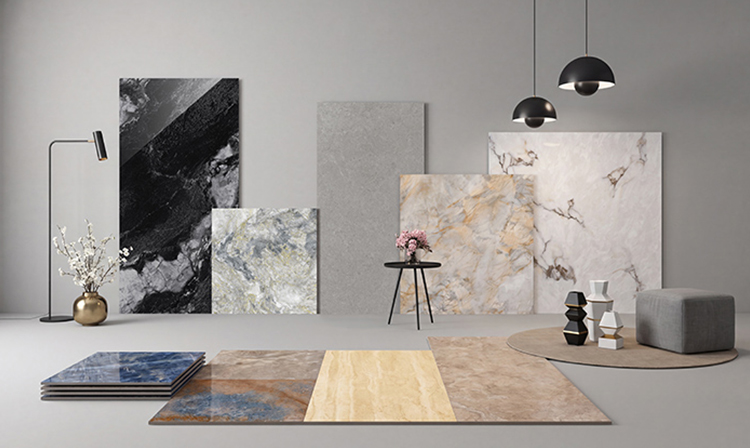
Porcelain tile durability is not determined by one characteristic. It is the combined ability of a tile to resist water, abrasion, impact, staining, scratching, thermal changes, and installation-related stress.
A tile can be very hard but still crack if it is installed over an uneven substrate. Likewise, a tile can have excellent water resistance but be unsuitable for a busy entrance if its glaze has a low wear classification. Durable tile selection must therefore consider both product specifications and real-world use.
Porcelain tile is manufactured from refined clays and minerals that are pressed under high pressure and fired at high temperatures. The resulting body is dense, compact, and less porous than ordinary ceramic tile.
Under the ANSI A137.1 tile standard, porcelain tile is generally identified by water absorption of 0.5% or less when tested according to ASTM C373. This low absorption contributes to performance in bathrooms, kitchens, commercial interiors, and many exterior applications.
Low water absorption does not mean a tile is unbreakable. Porcelain remains a rigid material, so concentrated impact, structural movement, poor bedding, or an inadequately prepared substrate can cause cracking.
Porcelain tile is hard enough for most residential and many commercial applications, but hardness should be described using the correct test. Several measurements are commonly discussed, and they do not mean the same thing.
The Mohs scale ranks minerals from 1 to 10 according to scratch resistance. Talc is rated 1, while diamond is rated 10. Many porcelain tiles fall within a relatively hard range, but the exact value depends on the formulation, glaze, surface treatment, and testing method.
Mohs testing is useful for understanding whether a surface may be scratched by common materials. It does not measure breaking strength, abrasion from foot traffic, impact resistance, or resistance to chemical attack.
The Porcelain Enamel Institute, commonly known as PEI, abrasion classification is widely used for glazed ceramic and porcelain floor tile. It helps indicate whether a glazed surface is appropriate for a particular level of traffic.
PEI classification primarily evaluates the wear resistance of a glazed surface. It should not be treated as a complete rating for unglazed, through-body, or every type of porcelain product. Always review the manufacturer’s technical data sheet and application recommendations.
ASTM C648 evaluates the breaking strength of ceramic tile, while ASTM C674 is associated with modulus of rupture testing. These tests help describe how much force a tile can withstand under defined laboratory conditions.
Breaking strength is especially important for large-format tiles, commercial floors, countertops, and installations that may experience rolling loads. Nevertheless, laboratory strength does not replace proper installation. A tile that is not fully supported beneath its surface can fail under loads that would otherwise be acceptable.
Wear is often caused by a combination of foot traffic, dirt, moisture, cleaning chemicals, furniture movement, and surface texture. The most damaging particles are frequently not the shoes themselves but sand and grit carried into the building.
In a typical home, porcelain tile can last for decades when it is correctly installed and maintained. Entryways, kitchens, mudrooms, hallways, and living areas usually experience different levels of abrasion.
Retail stores, hotels, offices, restaurants, schools, and healthcare facilities may expose tile to continuous traffic, rolling carts, spills, cleaning machines, and abrasive contaminants.
For commercial projects, assess more than appearance. Request product data covering water absorption, abrasion classification, breaking strength, chemical resistance, stain resistance, slip performance, shade variation, and recommended application.
Low water absorption makes porcelain a strong candidate for many exterior applications. However, outdoor durability also depends on climate, drainage, tile thickness, installation method, movement joints, and exposure to deicing salts or thermal cycling.
Porcelain tile is highly resistant to ordinary surface wear, but it is not immune to damage. The type of damage matters because each failure has a different cause.
Scratches are commonly caused by abrasive grit, unprotected furniture feet, metal tools, or dragging heavy objects. Polished porcelain may show surface marks more visibly than matte or textured products.
Chips can occur when a heavy object strikes an exposed edge or corner. Edge profiles, proper grout joints, and careful handling reduce the risk. Rectified large-format tiles may require particularly careful transportation and installation because their edges can be more vulnerable during handling.
Cracking is often related to movement beneath the tile rather than a weakness in the tile itself. Common causes include:
The Tile Council of North America and recognized installation standards emphasize substrate preparation, mortar coverage, movement accommodation, and appropriate setting materials. Product durability cannot compensate for an unstable installation base.
| Material | Main Durability Advantage | Common Limitation | Best Selection Consideration |
|---|---|---|---|
| Porcelain tile | Low absorption, hard surface, broad design range | Can crack if poorly installed; hard underfoot | Verify application rating and installation requirements |
| Standard ceramic tile | Cost-effective and available in many designs | Often more porous and less suitable for demanding applications | Check absorption and floor-use classification |
| Natural stone | Long service life and distinctive appearance | May require sealing and can be vulnerable to staining or etching | Match stone type and finish to traffic and maintenance expectations |
| Luxury vinyl tile | Comfortable, resilient, and easier to replace | Can dent, scratch, fade, or delaminate under certain conditions | Review wear layer and moisture warranty |
| Laminate | Affordable wood and stone appearance | Moisture exposure can damage some products | Confirm wet-area suitability and edge protection |
| Concrete | Strong structural base and industrial appearance | May crack, stain, or require surface treatment | Evaluate sealing, joints, and expected movement |
Write down where the tile will be installed and how the space will be used. A bathroom wall, residential bedroom, supermarket entrance, restaurant kitchen, and exterior terrace have different performance requirements.
Ask the supplier for water absorption test results and product certification. In many specifications, porcelain tile is associated with absorption of 0.5% or less under ASTM C373 testing.
For glazed floor tile, review the PEI classification or equivalent manufacturer guidance. For unglazed or through-body tile, ask for the appropriate abrasion and application data rather than relying only on a PEI label.
Slip resistance is separate from hardness. Request current test information appropriate to the intended environment, such as wet interior floors, ramps, pool surrounds, or exterior walkways. Follow applicable local codes and project specifications.
Large-format and thin porcelain tiles can perform very well, but they require more precise handling and installation. For areas exposed to heavy loads, request breaking strength, thickness, and recommended installation details.
View samples in both dry and wet conditions. Look for texture, gloss, shade variation, edge quality, and the visibility of dust or water marks. A surface that looks attractive in a showroom may require more cleaning in a textured commercial environment.
Specify substrate flatness, mortar coverage, movement joints, grout width, waterproofing, and curing requirements before installation begins. For large-format tile, confirm that the installer has experience with appropriate mortar coverage and lippage control.
Even a premium tile can fail prematurely when the installation system is unsuitable. The following practices directly improve long-term performance:
For project specifications, consult recognized sources such as the Tile Council of North America, the American National Standards Institute, the American Society for Testing and Materials, and local building regulations.
Porcelain tile is relatively easy to maintain, but routine care protects both the tile and the grout.
Most porcelain tile itself does not require sealing, but cementitious grout and certain specialty surfaces may. Always follow the product manufacturer’s instructions.
Polished porcelain can provide a luxurious appearance, but it may show footprints, dust, water spots, and scratches more clearly. In busy areas, a matte, structured, or satin finish may offer a more forgiving appearance.
Deeply textured surfaces can improve traction but may trap dirt. For restaurants, healthcare facilities, and retail spaces, compare slip performance with cleanability before selecting a heavily textured product.
Rectified tiles have mechanically finished edges and can create a precise appearance. They still require an appropriate joint width to accommodate dimensional tolerances, movement, and installation conditions.
When the visual color continues into the tile body, minor chips or edge wear may be less noticeable. This does not make the surface impossible to damage, but it can improve appearance retention in demanding environments.
The larger the tile, the more visible substrate irregularities become. Large-format products should be specified with clear flatness, mortar coverage, handling, and installation requirements.
A rough surface may provide traction but collect more soil. A highly polished surface may be easier to clean but unsuitable for some wet applications. Select the finish according to the actual conditions rather than choosing based on appearance alone.
Instead of relying only on marketing claims, request test methods and technical documentation. Useful references include:
Standards and editions can change, so verify the current version required for your project. A qualified architect, designer, contractor, or tile technical representative can help interpret results.
Properly selected and installed porcelain tile can remain functional for several decades, and many installations last much longer. Service life depends on traffic, substrate movement, installation quality, maintenance, and whether the product was suitable for the application.
Porcelain is generally denser and less water-absorbent than standard ceramic tile. It is often better suited to demanding floors and some exterior applications, but the exact strength depends on the product’s thickness, manufacturing quality, and design.
Porcelain tile is not normally fragile in service, but it can crack from impact or movement beneath the installation. Poor substrate preparation, inadequate mortar coverage, and missing movement joints are common contributors.
Ordinary pet claws are unlikely to scratch a properly manufactured porcelain surface. However, sand, gravel, metal objects, and abrasive dirt can create wear over time. Regular cleaning and entry mats reduce this risk.
Many porcelain tiles are suitable for commercial floors, but selection should be based on traffic level, abrasion classification, slip resistance, breaking strength, stain resistance, maintenance needs, and the manufacturer’s written application guidance.
The porcelain body usually does not require sealing because of its low absorption. Grout, natural stone accents, polished surfaces, or specialty finishes may have separate sealing requirements.
Porcelain tile offers an excellent combination of hardness, low water absorption, stain resistance, design flexibility, and long-term wear performance. Its durability is strongest when the tile is matched to the intended traffic level and installed over a stable, properly prepared substrate.
The most reliable buying decision is not based on the word “porcelain” alone. Compare water absorption, abrasion resistance, breaking strength, slip performance, finish, thickness, maintenance requirements, and installation guidance. With the right product and professional installation, porcelain tile can provide a durable, attractive surface for residential, commercial, and many outdoor applications.
JBN | Reliable tile information and OEM sourcing support for durable porcelain tile projects.
Feel free to reach out for any queries. We would be happy to help!
We look forward to working with you.
Navigation
Navigation
Contact Us
Telephone: 0086-757-83327093
E-mail: jbn002@jbnjbn.com
WhatsApp: +86 136 9028 1303
WeChat: +86 136 9028 1303
Address:Building 4, Area B, Ceramics International Trading Center, Jihua Xi Road, Foshan, Guangdong, China
Get in Touch
Get in Touch