How to Choose Porcelain Tiles for Hotels and Hospitality Projects
13,Aug 2026
Share
An OEM Tile Supplier can help hotel and hospitality buyers balance design, durability, safety, maintenance, lead time, and total project cost. The right porcelain tile is not simply the most attractive product in a sample room. It must perform reliably in guest rooms, lobbies, restaurants, bathrooms, pool areas, corridors, kitchens, and outdoor spaces while meeting the project budget and schedule.
This guide explains how purchasing teams, hotel owners, architects, interior designers, contractors, and developers can select porcelain tiles through a structured process. It covers performance requirements, design selection, technical verification, supplier evaluation, sample approval, installation planning, and common purchasing mistakes.
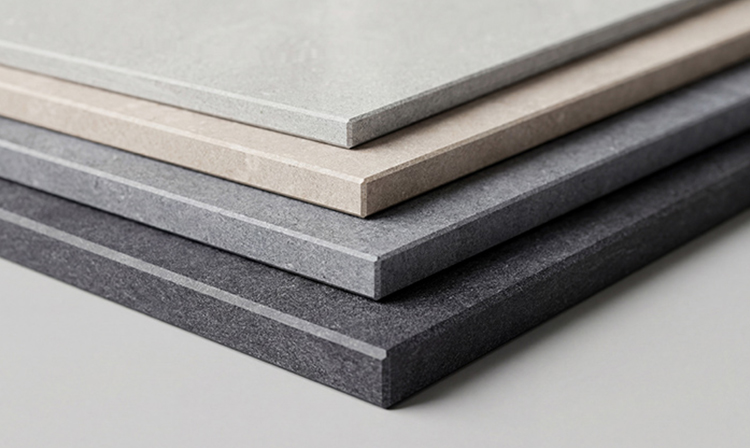
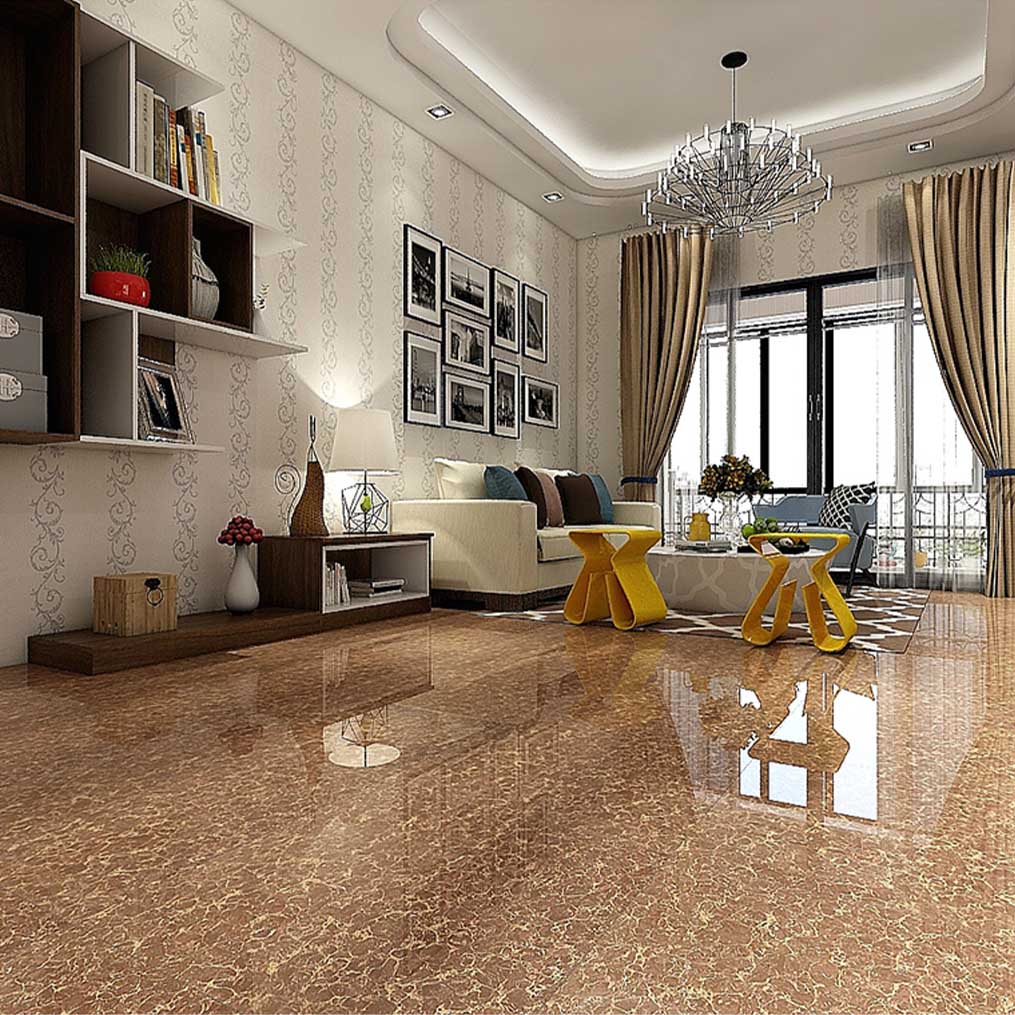
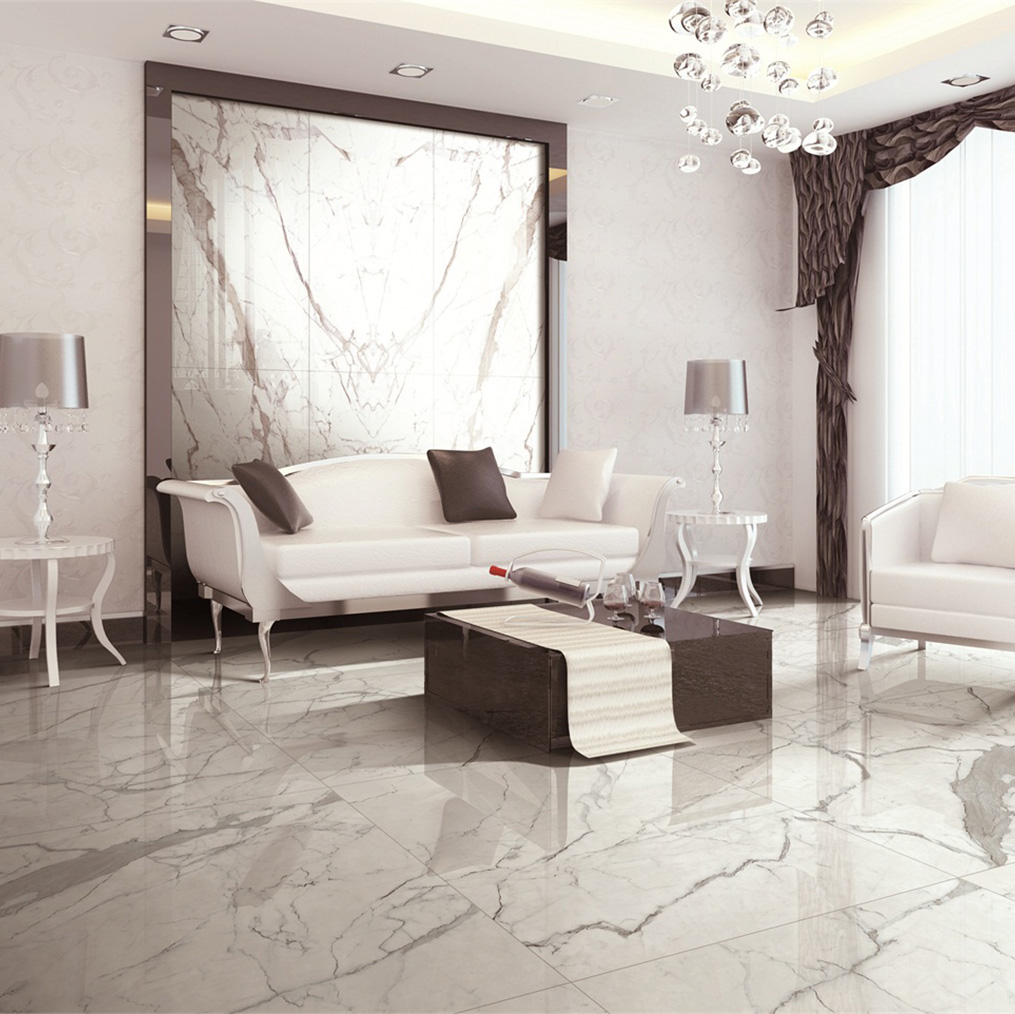
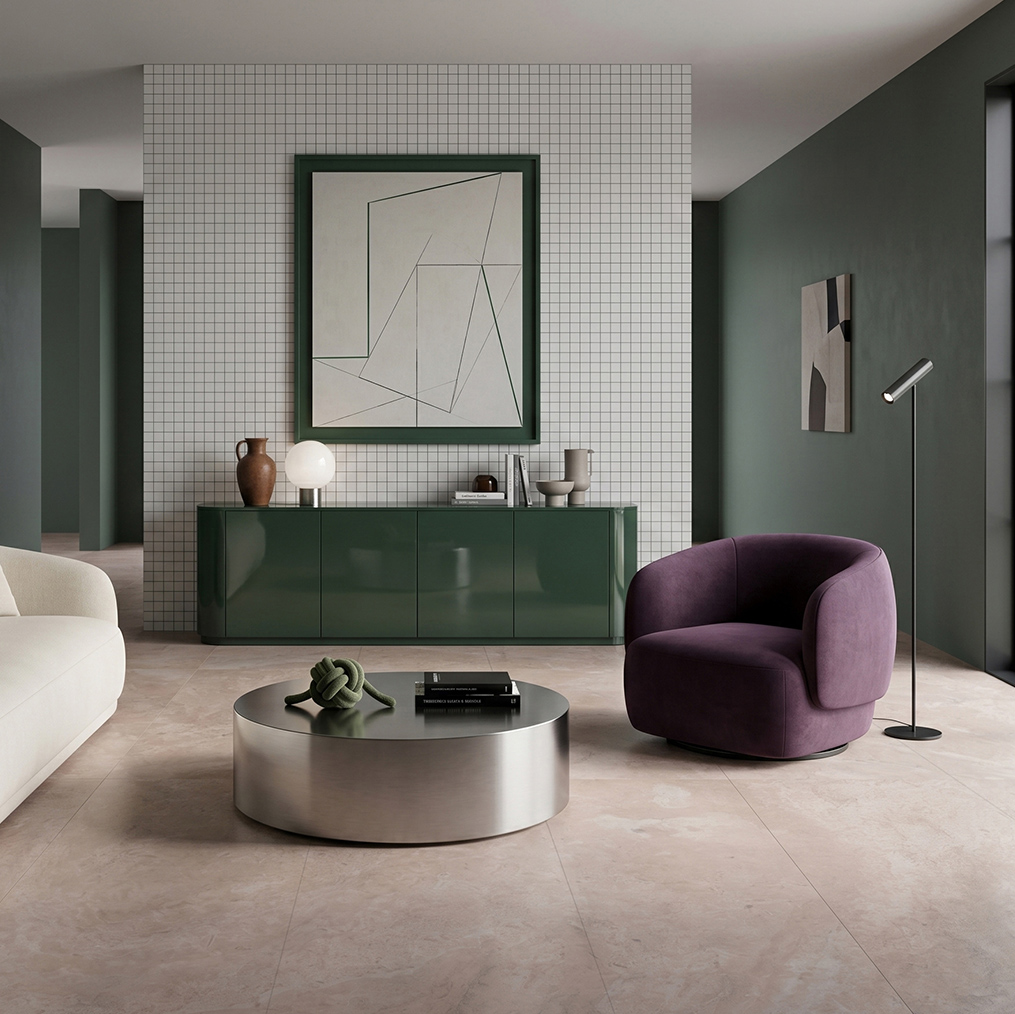
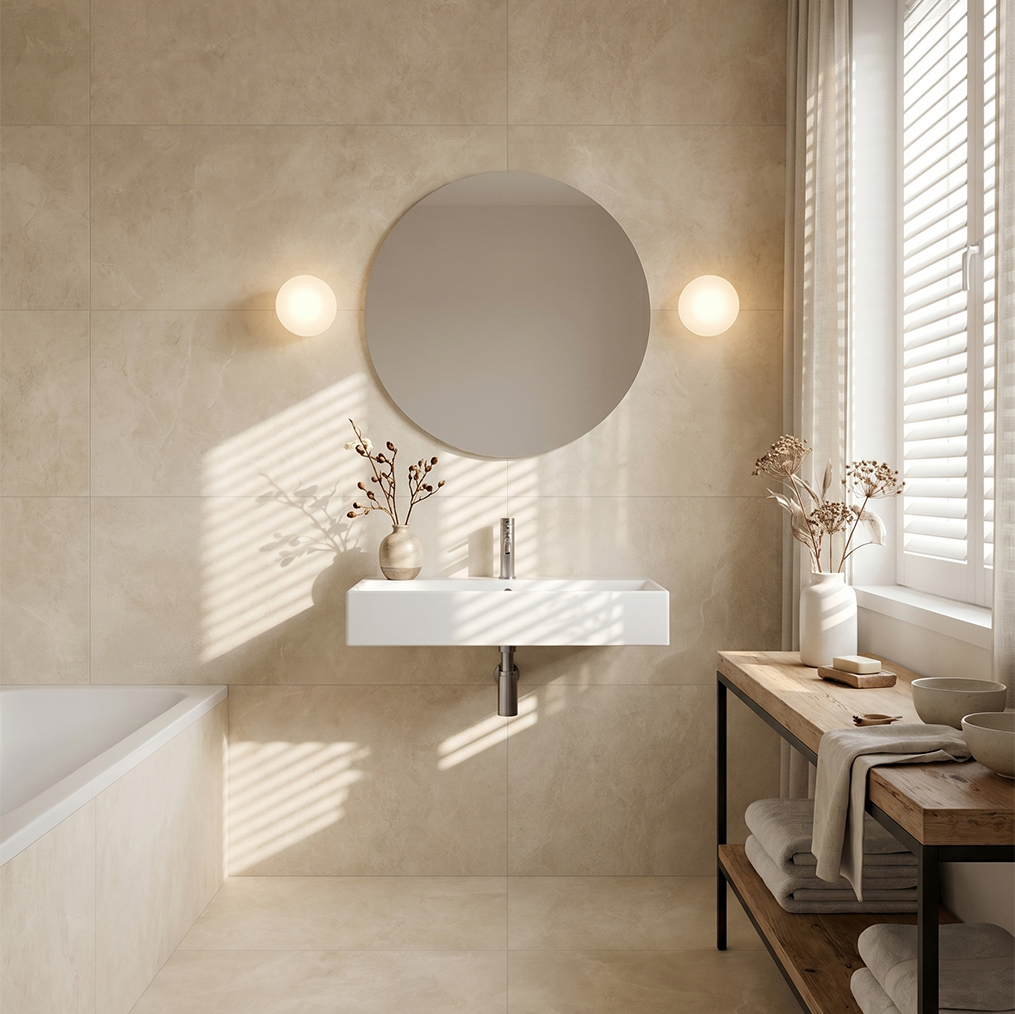
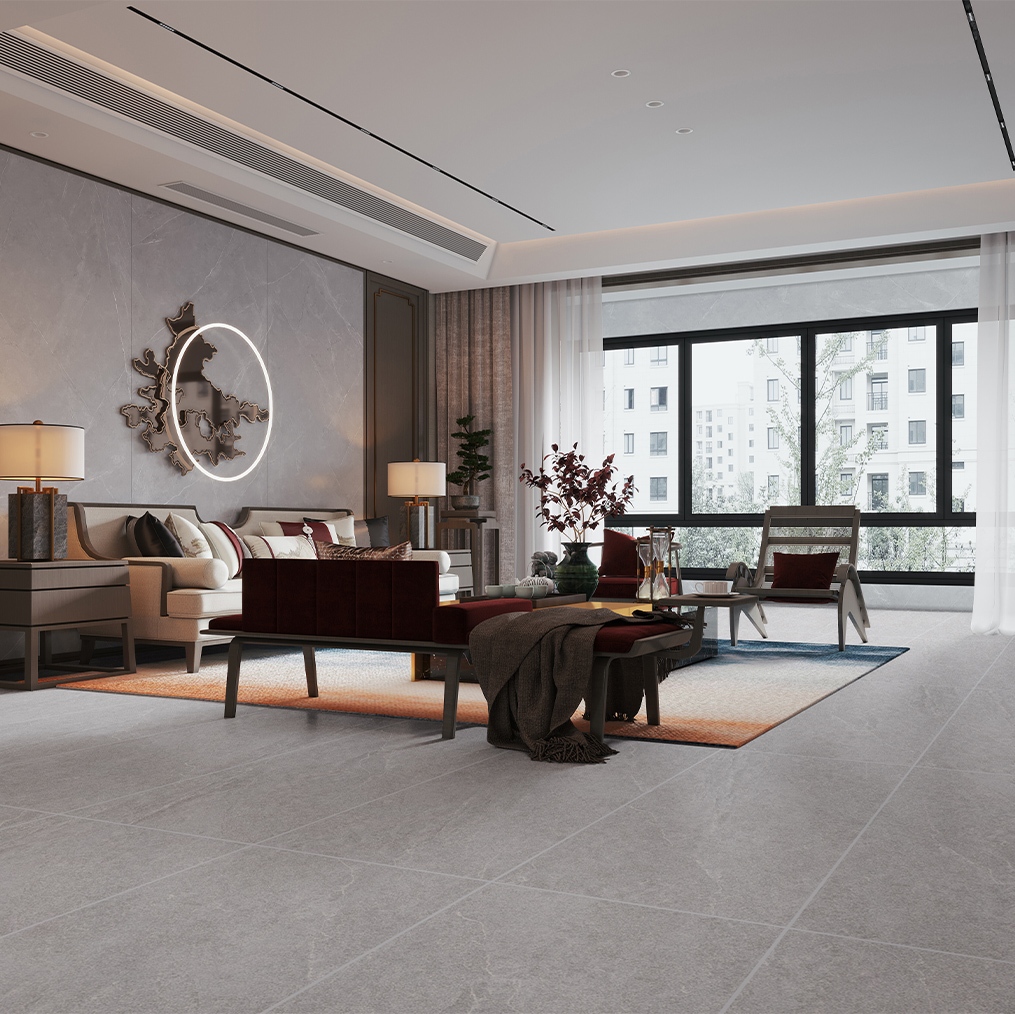
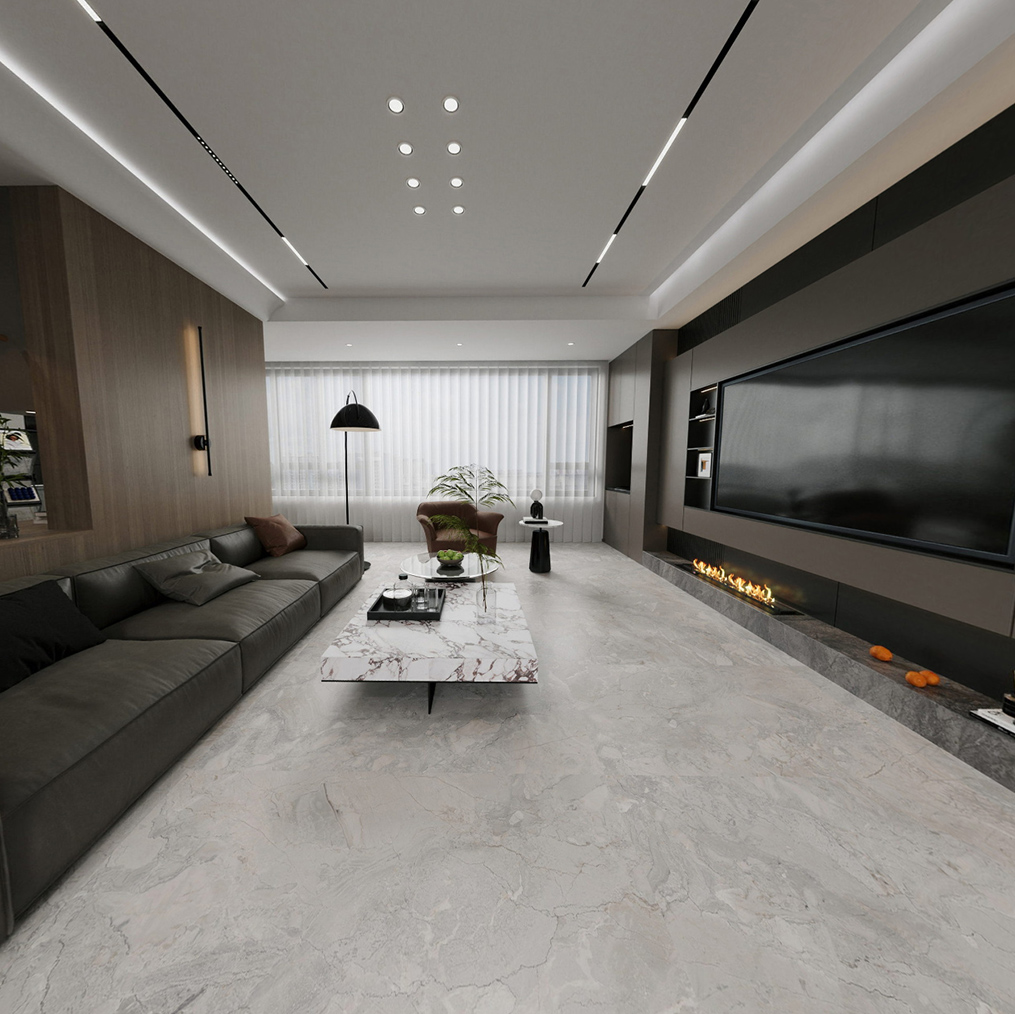
Porcelain tile selection should connect hotel design goals with long term commercial performance.
Start with the Actual Requirements of the Hospitality Project
The first purchasing mistake is choosing a tile before defining where and how it will be used. A five star hotel lobby, a restaurant kitchen, a guest bathroom, and an outdoor terrace have different technical requirements. The purchasing group should create a location by location tile schedule before reviewing product catalogs.
Identify the main purchasing pain points
Hospitality tile buyers usually face several practical problems at the same time:
They need a premium appearance without exceeding the project budget.
They must choose products that can withstand heavy traffic, luggage wheels, cleaning equipment, and frequent maintenance.
They need reliable slip resistance in wet areas without making the floor difficult to clean.
They must maintain consistent color, shade, size, and surface quality across large quantities.
They need samples that accurately represent mass production.
They must control delivery dates because tile delays can affect installation and hotel opening schedules.
They need technical documents for architects, contractors, inspectors, and property owners.
They want replacement tiles to remain available after the project is completed.
They must coordinate tile thickness, edge details, grout joints, waterproofing, and transitions with other building materials.
Divide the hotel into tile application zones
Create a separate specification for each area rather than selecting one tile for the entire property.
Hotel area
Primary requirements
Typical tile considerations
Lobby and reception
High traffic, visual impact, easy cleaning
Durable porcelain, large format options, coordinated wall and floor finishes
Wood look, stone look, soft matte surfaces, suitable slip resistance
Bathrooms
Water exposure, slip control, hygiene, drainage
Textured or matte surfaces, mosaic formats for slopes, low water absorption
Restaurants
Food stains, frequent cleaning, heavy foot traffic
Stain resistant, chemical resistant, durable and easy to mop
Commercial kitchens
Oil, heat, moisture, impact, aggressive cleaning
Heavy duty slip resistant flooring with suitable grout and drainage details
Swimming pool areas
Constant moisture, bare feet, chemical exposure
Wet area slip resistance, compatible edge pieces, chemical resistant surfaces
Outdoor terraces
Weather, thermal movement, rain, dirt, possible freezing
Exterior grade porcelain, suitable slip resistance, appropriate thickness and installation system
Corridors and service areas
Continuous traffic, trolley movement, fast maintenance
High abrasion resistance, consistent production, replaceable stock
Write a project requirements document
Before contacting suppliers, record the following information:
Project location and climate.
Hotel category and design positioning.
Area of each application zone in square meters or square feet.
Indoor or outdoor use.
Expected traffic level.
Exposure to water, oil, chemicals, food, salt, or cleaning agents.
Required tile sizes, thicknesses, colors, textures, and edge profiles.
Target delivery date and installation sequence.
Required certifications, test reports, and local standards.
Estimated waste percentage and replacement stock.
Evaluate Porcelain Tile Performance Before Appearance
Porcelain tile is suitable for many hospitality applications because it is dense, durable, and available in many designs. However, not every porcelain tile has the same performance. Buyers should compare verified technical data instead of relying only on product descriptions such as premium, commercial, or heavy duty.
Check water absorption
Low water absorption is one of the main reasons porcelain tile is selected for hotels. A dense tile absorbs less moisture and is generally more suitable for bathrooms, wet rooms, outdoor areas, and locations requiring frequent cleaning.
Ask the supplier for:
Water absorption test results.
The test standard used.
Product classification according to the relevant local or international standard.
Confirmation that the test applies to the exact product and finish being quoted.
Do not assume that a tile with a porcelain appearance has the same water absorption as every other porcelain product. Confirm the data for each collection and surface.
Check abrasion and traffic suitability
Hotel floors are exposed to walking, wheeled luggage, housekeeping carts, furniture movement, sand, and repeated cleaning. The surface must be selected according to traffic intensity and the possibility of abrasive particles being brought indoors.
Compare:
Surface abrasion resistance.
Recommended use classification.
Resistance to visible wear in high traffic zones.
Suitability for trolleys and wheeled equipment.
Resistance to scratching from sand and grit.
Use the most demanding traffic zones to determine the correct product class. A tile that is suitable for guest rooms may not be suitable for a main entrance or busy corridor.
Verify slip resistance for each wet area
Slip resistance should be treated as a location specific safety requirement. A polished tile may be appropriate for a dry feature wall or low risk interior area but unsuitable for a wet hotel bathroom or pool deck.
Ask for the correct test results for the intended use. Depending on the project location, this may include wet dynamic coefficient of friction, ramp classification, oil resistance, or other local slip testing.
Use a balanced matte surface in guest bathrooms and general wet areas.
Use more textured surfaces where standing water, oil, or outdoor rain is expected.
Use smaller formats or mosaics where the floor requires multiple drainage slopes.
Confirm that the chosen grout and cleaning method will not reduce practical slip performance.
Request a full size wet sample for testing when safety is critical.
Assess chemical and stain resistance
Hotels use disinfectants, detergents, descalers, bleach products, food acids, oils, cosmetics, and pool chemicals. The tile surface and printed layer should resist staining and deterioration under the cleaning program planned by the operator.
Request information about:
Resistance to common household and commercial cleaning products.
Resistance to food and beverage stains.
Resistance to pool chemicals where applicable.
Ease of removing oil, soap, makeup, and dirt.
Recommended cleaning chemicals and prohibited products.
Confirm dimensional consistency and shade control
Large hospitality projects require consistent tile dimensions and appearance across multiple production batches. Variation can create uneven grout joints, visible shade changes, installation delays, and disputes between the supplier and contractor.
Check the following:
Actual tile size and caliber.
Thickness tolerance.
Flatness and warpage.
Rectification or non-rectification status.
Shade range and batch control system.
Color consistency between samples and production lots.
Packaging labels and pallet traceability.
Choose the Right Size, Surface, Color, and Pattern
Design is a major reason hotels use porcelain tile, but visual decisions should be connected to cleaning, replacement, installation, and long term maintenance. A beautiful product can become a problem if its surface highlights dirt or its format creates excessive waste.
Select tile sizes according to the space and installation conditions
Large format tiles can create a calm, luxurious appearance with fewer grout joints. They may be effective in lobbies, guest rooms, and feature walls. However, they require a flat substrate, careful handling, specialized cutting, and precise installation.
Smaller formats can be more practical for bathrooms, curved surfaces, showers, and floors with multiple slopes. They also provide more grout lines, which can influence cleaning requirements.
Use large formats in open areas with a flat and stable substrate.
Use medium formats for corridors, guest rooms, and general commercial floors when installation speed is important.
Use small formats or mosaics for shower floors, curved areas, and drainage slopes.
Confirm that the selected format is available in matching trims and accessories.
Calculate cutting waste before finalizing the quantity.
Compare polished, matte, textured, and structured finishes
Polished surfaces create a reflective luxury appearance but may show scratches, water marks, and footprints more clearly.
Matte surfaces usually provide a softer appearance and can be easier to manage in general hotel areas.
Textured surfaces can improve traction but may require more effort to clean.
Structured surfaces are useful in selected wet and outdoor areas but should be tested with the planned cleaning equipment.
Lappato surfaces can offer a balance between reflection and practical maintenance, depending on the product design.
Choose colors and patterns that support hotel operations
Light colors can make rooms feel larger but may show spills and dirt. Very dark polished surfaces can show dust, water spots, and footprints. Mid-tone stone looks and controlled patterns are often easier to maintain in busy public areas.
Consider:
How visible dust and luggage marks will be during normal operation.
Whether the pattern remains attractive when several tiles are installed together.
Whether digital print repetition is noticeable across a large lobby.
How replacement tiles will blend into the existing floor.
Whether wall, floor, countertop, and trim products coordinate without being identical.
Whether the design matches the brand identity and target guest experience.
Follow a Step by Step Porcelain Tile Selection Process
A clear selection process reduces design changes, quality disputes, installation problems, and delivery risks. The following sequence can be used by a hotel procurement group from initial planning through final approval.
First step: Create an area by area tile schedule
List every hotel area that requires tile.
Record the floor, wall, backsplash, shower, stair, pool, and outdoor applications separately.
Identify wet, dry, public, private, service, and high traffic zones.
Assign an application code to each area.
Estimate the net tile area for every code.
Second step: Set the technical performance requirements
Define the required water absorption level.
Define traffic and abrasion requirements.
Set the required slip resistance for wet and dry areas.
Confirm chemical, stain, and cleaning resistance.
Specify thickness, edge finish, rectification, caliber, and acceptable tolerance.
List all required local standards and project certifications.
Third step: Prepare a design brief
Collect reference images, color palettes, and material samples.
Define the desired style, such as stone, marble, concrete, wood, terrazzo, or solid color.
Choose preferred tile sizes and grout joint widths.
Decide whether the design requires coordinated wall, floor, trim, or mosaic products.
Identify areas where a premium feature tile can be used and areas where a value product is acceptable.
Fourth step: Shortlist qualified suppliers
Request product catalogs and technical data sheets.
Ask whether the supplier manufactures the product or purchases it from another factory.
Review production capacity and experience with commercial projects.
Check quality control procedures for raw materials, firing, sorting, packaging, and loading.
Ask for references from hotels, restaurants, resorts, or other large developments.
Confirm the supplier's ability to produce repeat orders for future repairs.
Fifth step: Request samples and technical documents
Request samples from the exact collection, size, finish, and color proposed for the project.
Ask for technical test reports and product classification information.
Request installation instructions and cleaning recommendations.
Label every sample with the supplier name, product code, production date, and intended application.
Sixth step: Test the samples in realistic conditions
View the sample under the actual lighting planned for the hotel.
Place several pieces together to evaluate pattern repetition and shade variation.
Test the surface with water, common stains, and approved cleaning agents.
Evaluate slip performance when the surface is wet if the tile is intended for a wet area.
Check the back of the tile for flatness, coding, and compatibility with the planned adhesive.
Install a small mock-up when the project has demanding design or technical requirements.
Seventh step: Calculate the complete quantity
Calculate the net area for every tile code.
Add cutting waste based on room shape, tile format, layout, and pattern direction.
Add extra material for future repairs and maintenance.
Separate the quantities by size, color, finish, caliber, and production batch.
Confirm that all accessory pieces are included, such as trims, steps, corners, drains, and mosaics.
Ask the supplier to review the quantity before issuing the purchase order.
Eighth step: Approve a production reference sample
Approve a signed physical sample or approved digital reference.
Record the acceptable shade range and surface variation.
Confirm the approved caliber and grout joint assumptions.
Require the supplier to keep a retained reference sample.
State in the purchase contract that mass production must match the approved reference within agreed tolerances.
Ninth step: Confirm production and delivery controls
Confirm the production schedule and inspection date.
Request photographs of pallets, cartons, labels, and container loading.
Verify that all cartons show the correct product code, shade, caliber, size, and quantity.
Arrange pre-shipment inspection when the project size or risk justifies it.
Plan delivery by installation sequence to reduce site storage and handling.
Keep a record of batch numbers for future replacement orders.
Tenth step: Inspect the shipment and approve installation
Inspect cartons for water damage, impact, broken edges, and incorrect labels.
Open cartons from different pallets and compare them with the approved sample.
Check size, thickness, shade, flatness, and surface defects.
Do not mix unidentified batches in visible areas without approval.
Install a site mock-up and obtain approval before full installation.
Keep several cartons in reserve for repairs after opening.
Use the Correct Tools for Tile Procurement and Approval
Professional tile selection requires more than a catalog and a price list. The following tools help the purchasing team verify the product, quantity, installation conditions, and commercial risk.
Required project and measurement tools
Architectural floor plans and reflected ceiling plans.
Room schedules and finish schedules.
Digital measuring device or laser distance meter.
Tape measure for checking site dimensions.
Calculator or spreadsheet for area and waste calculations.
Tile layout drawings showing starting points, borders, drains, and transitions.
Color boards and interior material samples.
Required tile inspection tools
Approved physical reference sample.
Steel ruler or straightedge for checking flatness and edge condition.
Caliper for checking thickness when required.
Digital scale for sample weight comparisons where relevant.
Moisture meter for checking the installation substrate.
Water spray bottle for preliminary surface and wet area evaluation.
Camera for recording defects, pallet labels, and shipment condition.
Inspection checklist with product codes, dimensions, shade, caliber, and quantity.
Required supplier and document tools
Technical data sheet.
Material safety and cleaning information.
Test reports from qualified laboratories.
Quality assurance plan.
Product warranty and claims procedure.
Purchase order with approved specifications.
Packaging list, commercial invoice, and shipping documents.
Installation and maintenance manual.
Compare the Total Cost and Supplier Reliability
The lowest price per square meter is not always the lowest project cost. Hospitality buyers should compare the total delivered and installed cost, including waste, freight, storage, installation difficulty, maintenance, replacement availability, and the financial impact of delays.
Calculate the total landed tile cost
Product price.
Packaging and pallet cost.
Inland transportation.
Export documentation and handling.
Ocean or air freight.
Insurance.
Import duties and taxes.
Site delivery and unloading.
Expected waste and breakage.
Adhesive, grout, trims, and installation accessories.
Future replacement stock.
Evaluate production capacity and lead time
A supplier should provide a realistic timeline that includes sample approval, raw material preparation, production, quality inspection, packing, loading, shipping, customs clearance, and site delivery. Buyers should not accept a short lead time that ignores these stages.
Ask the supplier:
What is the normal production lead time for the selected size and finish?
Can several colors and sizes be produced in the same project schedule?
What is the minimum order quantity for custom colors or patterns?
How are urgent replacement orders handled?
How long can the same product remain available?
What happens if the first batch fails inspection?
Assess OEM and customization capability
OEM production can help a hotel group create a distinctive design or maintain consistent branding across multiple properties. However, customization should be controlled carefully because special colors, formats, textures, and packaging can increase minimum quantities, approval time, and replacement difficulty.
Before approving an OEM program, confirm:
Color matching method and acceptable tolerance.
Digital artwork and pattern approval process.
Production sample approval procedure.
Minimum order quantity and repeat order conditions.
Ownership and confidentiality of custom designs.
Availability of matching products for future hotel renovations.
Packaging and labeling requirements for the hotel group.
Coordinate Tile Selection with Installation and Maintenance
Even a technically suitable porcelain tile can fail if the substrate, adhesive, joints, drainage, or cleaning program is unsuitable. The purchasing group should involve the installer and facilities team before the final purchase order.
Confirm substrate and installation conditions
Check that the substrate is flat, clean, stable, and sufficiently cured.
Measure moisture levels where required.
Confirm compatibility between tile, adhesive, waterproofing, and substrate.
Plan movement joints for large areas and locations exposed to temperature changes.
Confirm whether the tile requires back buttering because of its format or installation method.
Use the correct leveling and handling equipment for large format tiles.
Plan grout joints and transitions
Rectified porcelain tiles do not mean that tiles should be installed without a grout joint. The appropriate joint width depends on tile tolerance, substrate movement, environmental conditions, and local installation standards.
Coordinate:
Grout color and stain resistance.
Movement joints at structural and expansion locations.
Transitions between tile, carpet, wood, stone, and vinyl.
Drain locations and slope direction.
Stair nosings and edge protection.
Wall and floor alignment.
Access panels and service covers.
Define the cleaning and maintenance program
The hotel operations team should receive cleaning instructions before installation begins. Improper chemicals, abrasive pads, excessive wax, or poor grout maintenance can damage the appearance of the tile and create avoidable complaints.
Remove construction dust and adhesive residue promptly after installation.
Use the cleaning products recommended for the specific tile surface.
Avoid unapproved acidic or abrasive chemicals.
Test cleaning products on an inconspicuous area before broad use.
Use entrance mats and regular sweeping to reduce sand abrasion.
Inspect grout and movement joints as part of the hotel maintenance schedule.
Store replacement cartons in a dry, labeled location.
Avoid Common Porcelain Tile Purchasing Mistakes
Many tile problems originate before the purchase order is issued. A procurement checklist can prevent expensive changes during construction and reduce future maintenance complaints.
Mistake one: Selecting by image alone
Catalog images and digital screens cannot show actual shade variation, surface texture, reflection, slip behavior, or pattern repetition. Always review physical samples and several pieces together.
Mistake two: Using one tile specification for every area
Lobby floors, bathroom floors, pool decks, walls, kitchens, and outdoor terraces require different performance characteristics. Create separate specifications for different exposure and traffic conditions.
Mistake three: Ignoring wet slip performance
A polished or smooth tile may look luxurious but may not be appropriate for wet floors. Request test data and evaluate the actual surface under realistic wet conditions.
Mistake four: Ordering the exact measured area
Cutting, pattern matching, breakage, future repairs, and installation changes require additional material. Calculate waste according to room geometry and tile format instead of using one fixed percentage for every space.
Mistake five: Failing to check batch consistency
Tiles from different production batches may vary in shade, caliber, or surface appearance. Confirm batch control, keep product labels, and avoid mixing unidentified batches in prominent areas.
Mistake six: Choosing large format tiles without checking the substrate
Large tiles can emphasize uneven floors and require more precise handling. Verify substrate flatness, access, lifting equipment, adhesive coverage, and installer experience before approval.
Mistake seven: Comparing price without delivery and installation costs
A low product price may become expensive if the tile has high waste, difficult installation, poor packaging, long delivery time, or limited replacement availability. Compare the full project cost.
Mistake eight: Omitting replacement stock
Hotels experience damage from renovations, dropped objects, furniture movement, and plumbing work. Keep replacement stock from the approved batch and record the product code, shade, caliber, and supplier contact details.
Mistake nine: Approving custom production without a signed reference
Custom OEM products should not enter mass production until the color, texture, size, pattern, packaging, and technical requirements are documented and approved by the authorized project representatives.
Use a Final Hotel Tile Approval Checklist
Before issuing the final purchase order, the purchasing group should confirm every item below.
Application area and quantity are clearly identified.
Product code, size, thickness, color, finish, caliber, and shade are correct.
Water absorption and traffic suitability are documented.
Slip resistance is suitable for the intended wet or dry location.
Chemical and stain resistance match the hotel cleaning program.
Samples have been reviewed under project lighting.
Several samples have been placed together to review shade and pattern variation.
Technical documents and test reports have been received.
Installation method, adhesive, grout, movement joints, and transitions are coordinated.
Quantity includes cutting waste, breakage, accessories, and replacement stock.
Production lead time and shipping schedule match the construction program.
Packaging and labeling requirements are included in the purchase order.
Quality inspection and claims procedures are agreed in writing.
Future replacement availability has been discussed.
The approved sample and production reference are retained by the project team.
Choose a Tile Partner That Can Support the Entire Project
The best supplier for a hospitality project provides more than attractive porcelain tiles. The supplier should help translate hotel design goals into measurable specifications, provide reliable technical documentation, control production consistency, pack products safely, meet delivery commitments, and support future replacement needs.
Questions to ask before placing the order
Can you recommend products for each hotel application zone?
Can you provide current technical data for the exact product and finish?
Can you produce matching sizes, trims, mosaics, and accessories?
How do you control shade, caliber, flatness, and surface defects?
Can you provide a production sample before full manufacturing?
What quality inspection process is used before shipment?
How do you protect tiles during export transportation?
Can you provide installation and cleaning guidance?
Can you support repeat orders and replacement tiles?
Who will manage technical questions after delivery?
Why work with JBN for hospitality tile sourcing
JBN can support hotel and hospitality buyers that need coordinated porcelain tile solutions, dependable production control, design flexibility, and clear project communication. When evaluating JBN or any other supplier, compare the complete specification, quality process, delivery plan, and after-sales support rather than comparing only the unit price.
By using a location based specification, verifying technical performance, testing physical samples, planning installation details, and retaining replacement stock, hotel purchasing teams can select porcelain tiles that protect the design vision and perform reliably throughout the property's operating life.
For a dependable OEM Tile Supplier and hospitality tile sourcing partner, contact JBN at www.jbnjbn.com to discuss project requirements, samples, technical data, OEM options, and delivery planning.