11,Nov 2026
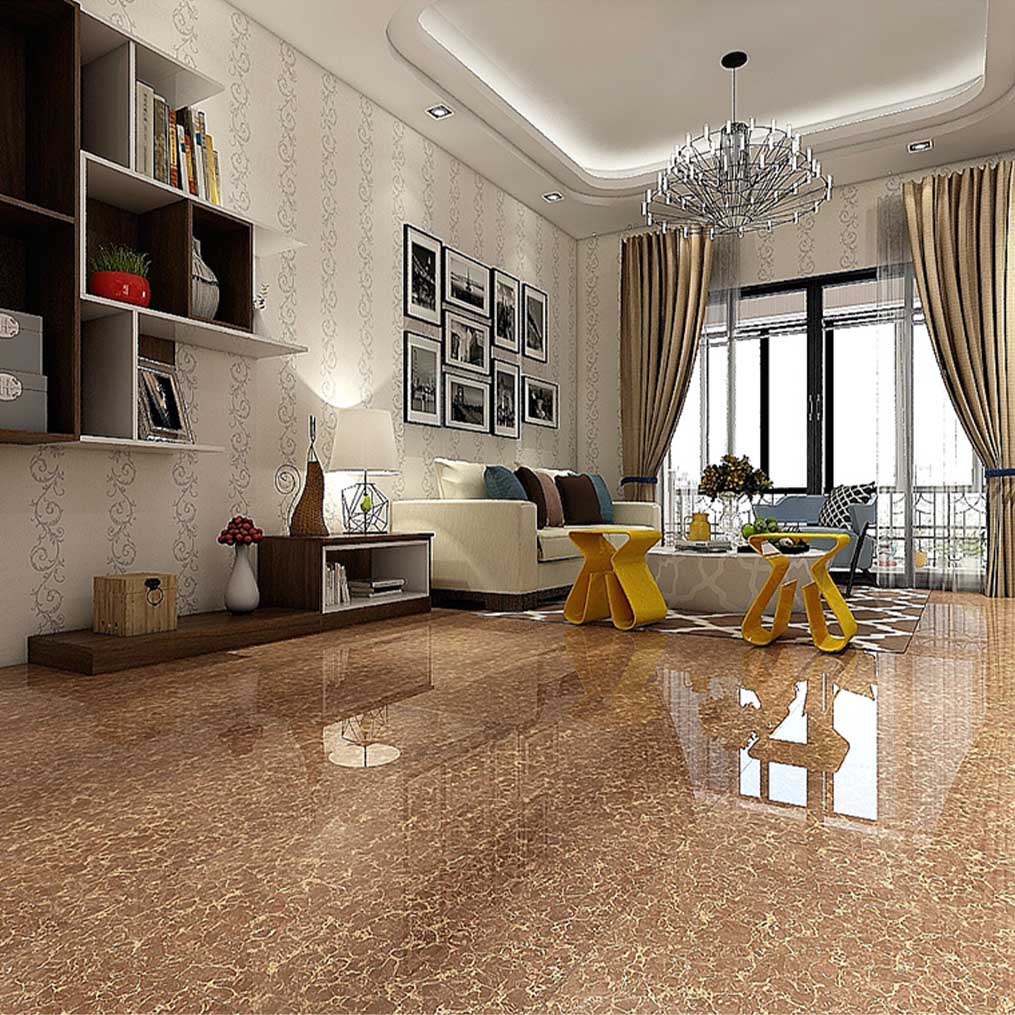
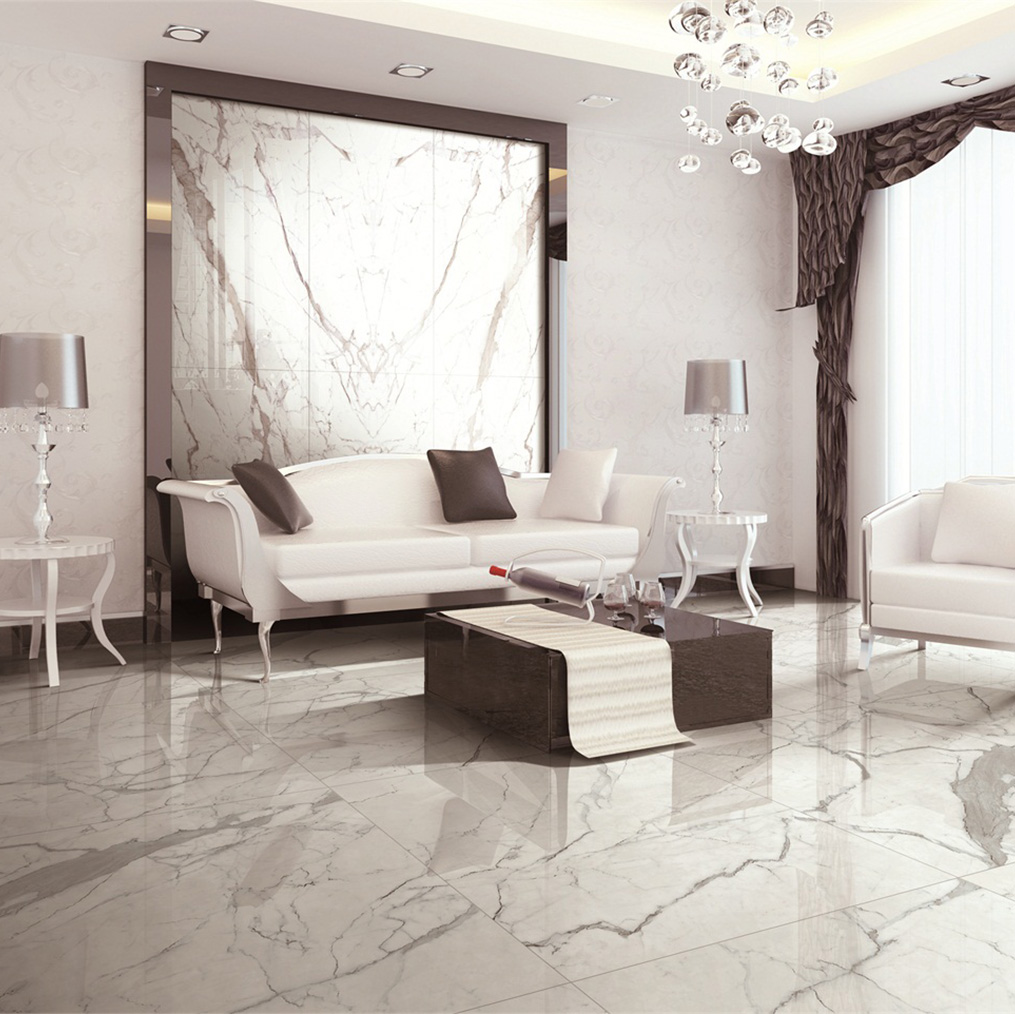
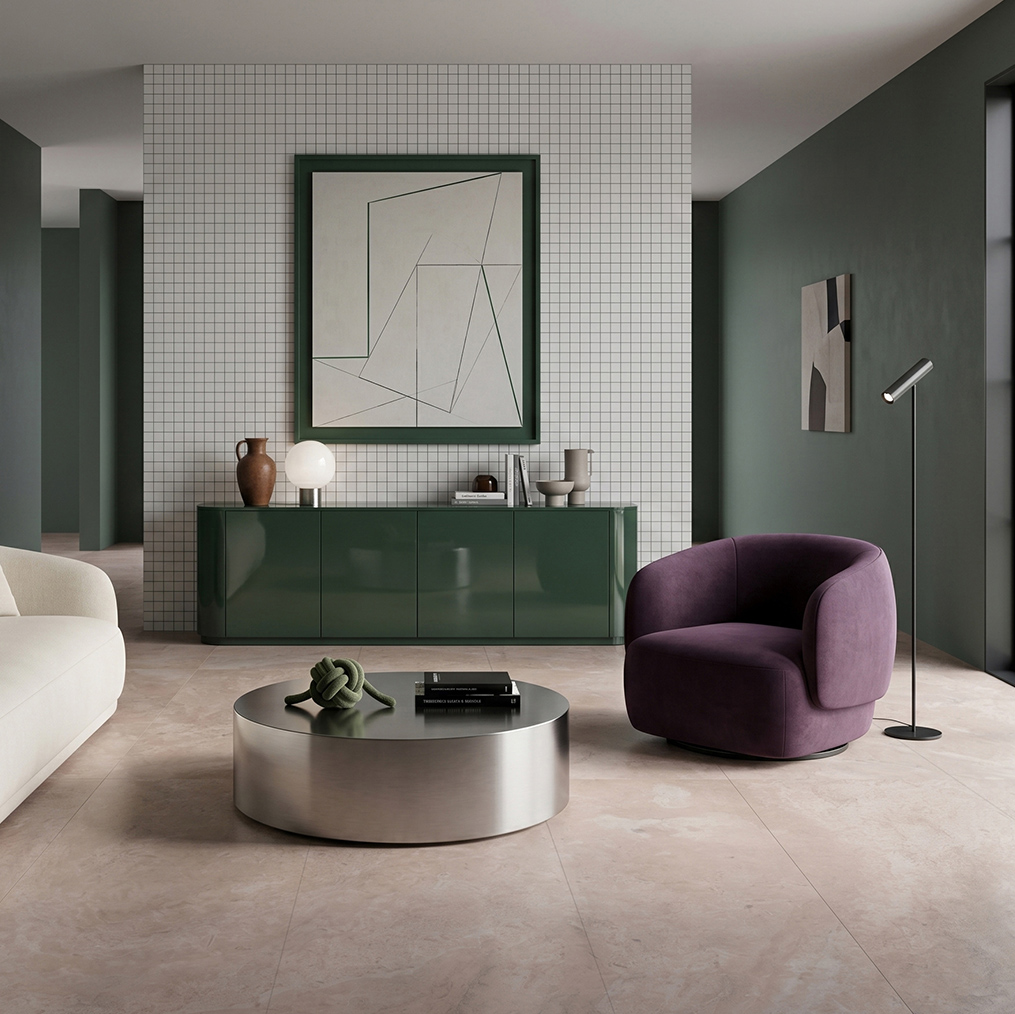
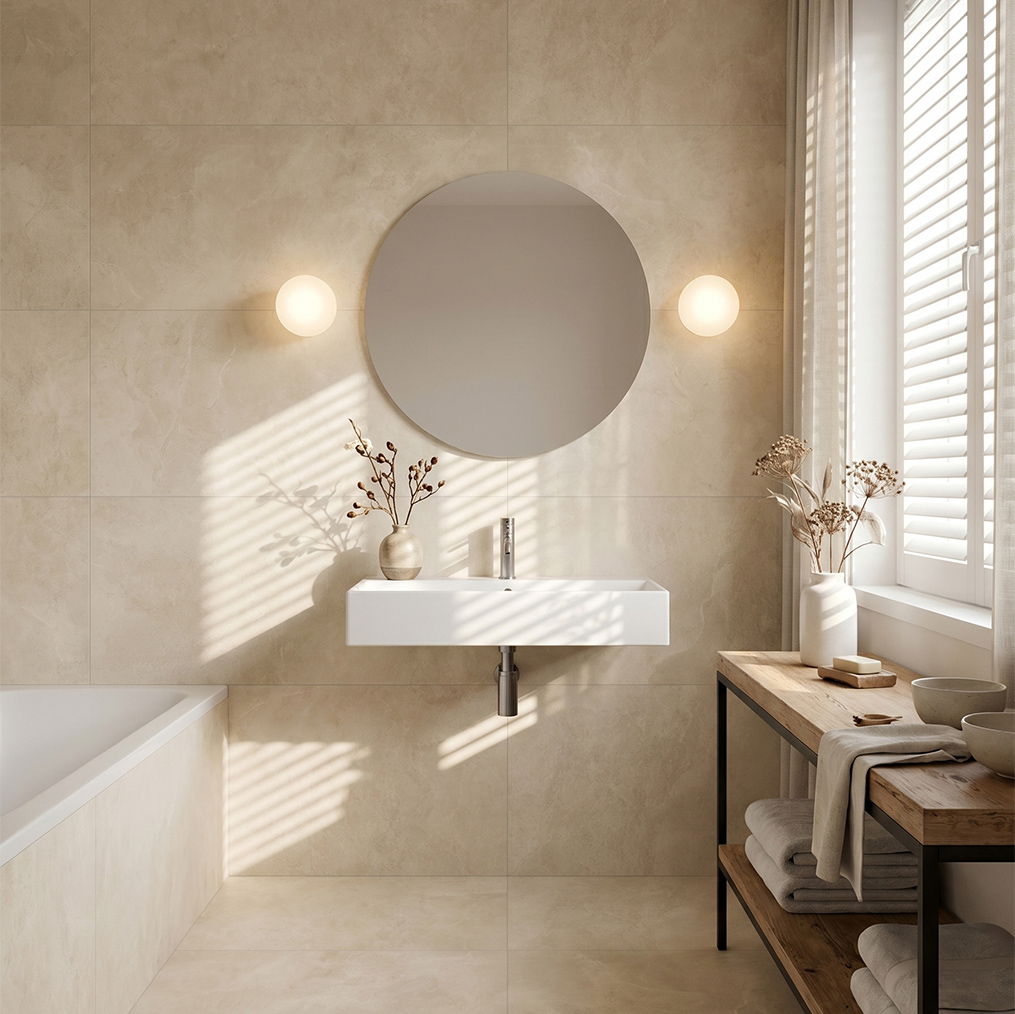
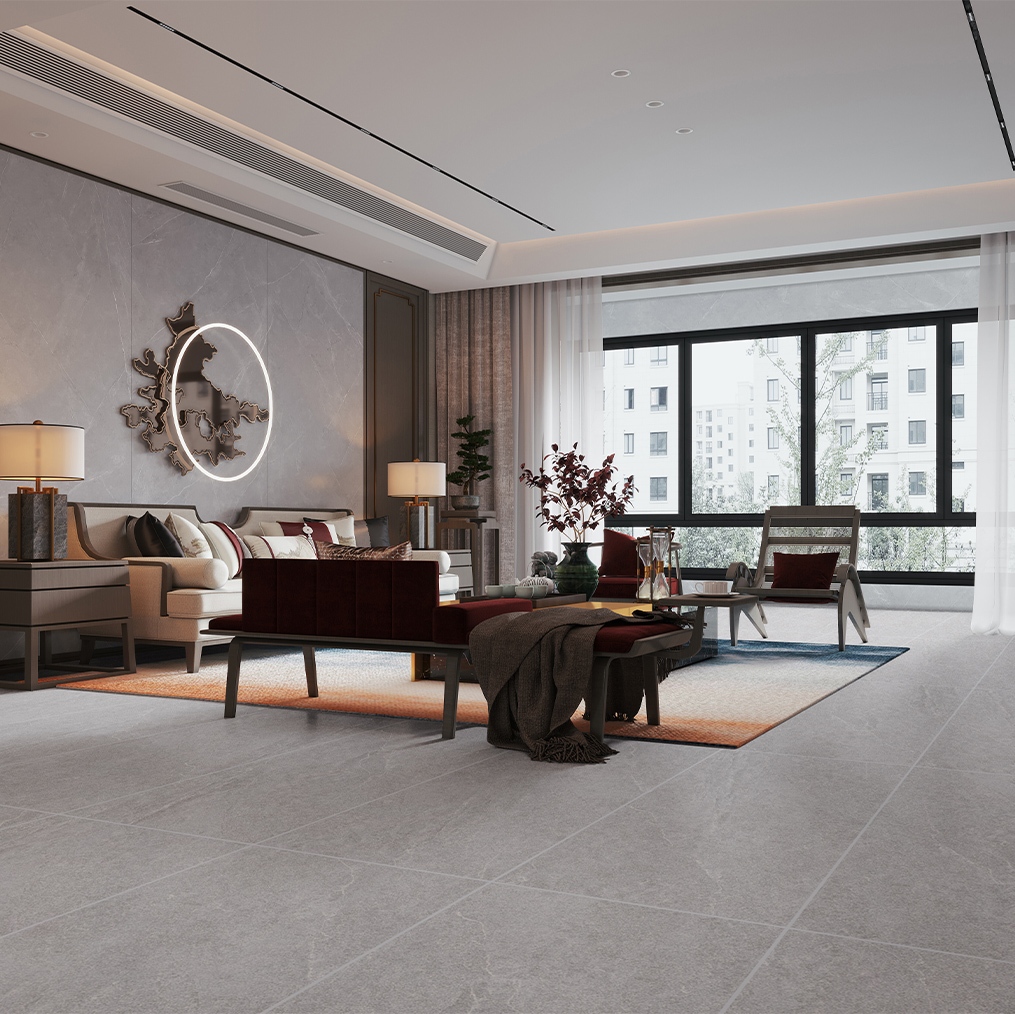
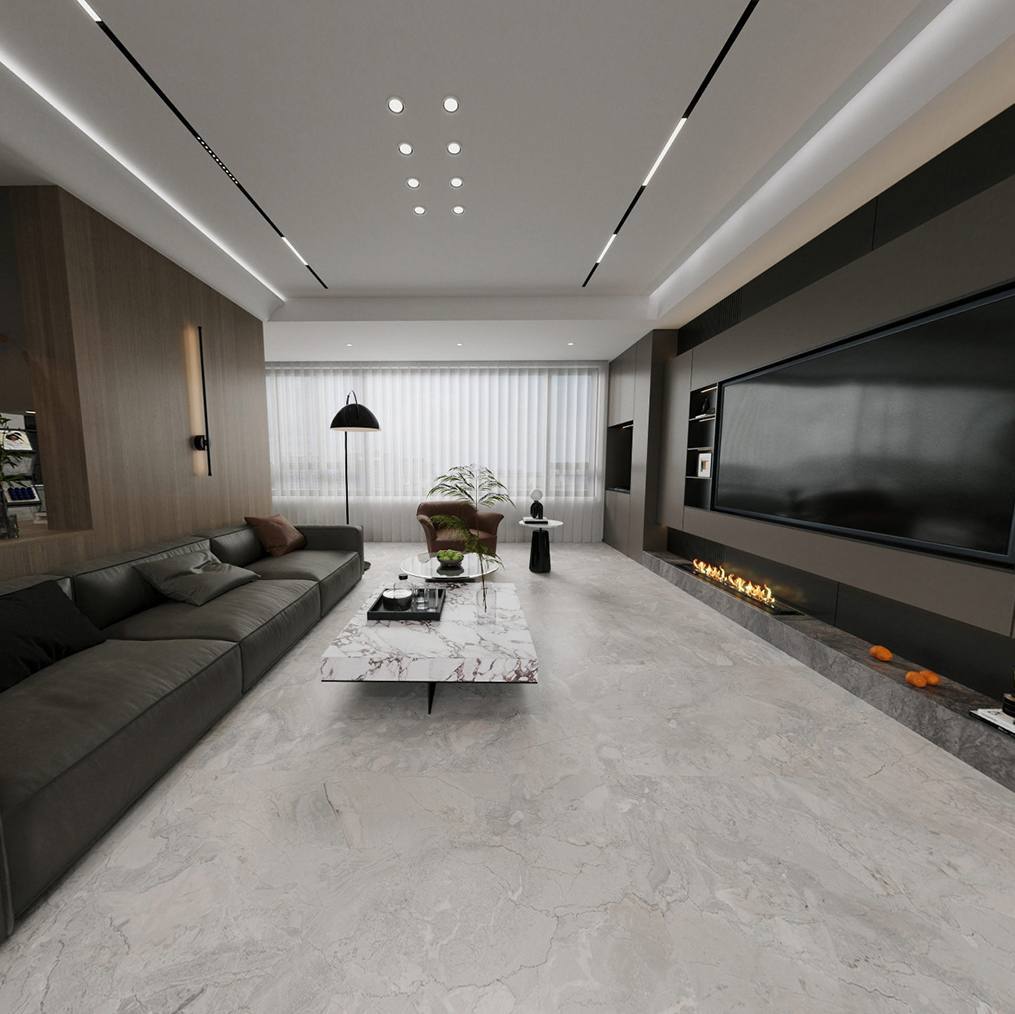
When I place a bulk order, I do not approve production based on a single photograph or one attractive sample. How to Evaluate Shade Consistency and Surface Quality Before Bulk Ordering requires a controlled comparison between the approved reference, production samples, and measurable acceptance criteria. This is especially important for Polished Glazed Tiles, where lighting, gloss level, veining, edge condition, and surface defects can change the perceived result across cartons or production lots.
My basic process is to approve a physical reference, compare lab dips or strike-offs under controlled lighting, inspect several production pieces, define color and defect tolerances, and record every decision before mass production begins. I then require evidence showing which batch was inspected, who approved it, and what happens if the delivered goods fall outside the agreed limits. This approach gives buyers a documented decision path instead of relying on general statements about product quality.
Before I begin a shade consistency inspection, I collect the purchase order, technical drawing, product specification, approved artwork, color reference, finish description, and packaging requirements. For Polished Glazed Tiles supplied by JBN, I would also identify the exact product category, surface finish, size, thickness, edge treatment, and intended installation area. These details prevent a supplier from treating a visual preference as an undefined requirement.
I prepare one controlled reference set and label it with the product code, color name, finish, approval date, and revision number. If a sample is sent to several people, I keep one master reference in a protected condition and use photographs only as supporting evidence. A photograph cannot fully preserve gloss, texture, metamerism, surface roughness, or the visual effect of directional veining.
I also decide how inspection will be performed. The options include buyer inspection, supplier QC, third-party inspection, or software-assisted color measurement. For a small order, a buyer may combine visual inspection with a written checklist, while a repeat commercial order usually benefits from instrument readings, lot records, and an independent inspection before shipment.
!
I use the following sequence before releasing a bulk order: approve the reference, control the inspection environment, compare representative production pieces, measure appearance and surface conditions, document acceptance limits, and release production only after the evidence has been reviewed. The same workflow can be applied to ceramic tiles, textiles, panels, coated parts, furniture components, and other products where visual consistency affects installation or resale.
I first approve a physical sample that represents the expected shade, pattern, gloss, texture, and edge condition. For patterned Polished Glazed Tiles, the reference should include enough surface area to show the relationship between background color, veining, mineral effects, and repeat variation. If the product is supplied in multiple sizes, I approve each size separately because scaling or cutting can change the visible pattern.
The supplier should record the reference number on the quotation, purchase order, technical sheet, and inspection report. I also specify whether the sample is a strict visual master or an example of an acceptable production range. This distinction matters because natural-looking materials may permit controlled variation, while a uniform solid color may require a narrower tolerance.
A production sample is not fully approved until I confirm the shade, surface finish, dimensions, packaging, and performance requirements. JBN describes a sample-development and production-acceptance process in which designs or reference samples are provided before mass production. I would still convert that process into a signed approval document stating exactly what has been accepted and what remains subject to inspection.
I inspect the approved sample, lab dip, strike-off, and production sample under the same lighting conditions. For visual comparison, I use a neutral inspection area and avoid mixing warm indoor bulbs with daylight. When the product will be installed under a specific commercial lighting system, I add that lighting condition because a color can appear consistent in daylight but different under LED or fluorescent illumination.
I compare each sample at normal viewing distance and at close range. At normal distance, I look for overall shade drift, pattern density, gloss difference, and obvious lot separation; at close range, I check speckling, pinholes, streaks, coating marks, scratches, and uneven texture. I record whether the difference is visible in the intended application or only under close inspection.
For instrumental color measurement, I ask the supplier whether a colorimeter or spectrophotometer is being used and which measurement settings apply. Delta E readings are useful only when the instrument, illuminant, observer setting, measurement location, and tolerance are consistent. I therefore define an agreed limit before production, such as a buyer-approved Delta E range, rather than accepting an unexplained measurement after the goods are made.
I never approve a bulk order from one piece. I select samples from different cartons, pallets, rolls, kiln loads, or production times so that I can identify batch-to-batch variation. The sampling record should include the lot number, production date, carton number, quantity represented, and location from which each sample was taken.
For tiles, I place several pieces side by side in the intended installation direction. I check whether adjacent pieces create visible bands, abrupt color transitions, inconsistent veining, or different levels of reflectivity. For other materials, I apply the same principle by comparing samples across the beginning, middle, and end of production.
I also separate acceptable variation from a true defect. A controlled pattern difference may be acceptable for a marble-look design, but an abrupt shade boundary across adjacent pieces may indicate a process problem. The decision must be linked to the approved reference and written acceptance criteria, not to an informal opinion made after shipment.
Surface quality inspection begins with a defect classification system. I normally divide findings into critical, major, and minor categories, then define the acceptable quantity for each category. For example, a critical defect may affect safe use or installation, a major defect may be clearly visible at normal viewing distance, and a minor defect may be visible only at close range without affecting function.
For Polished Glazed Tiles, I inspect the face, edges, corners, back, and glaze transition. I look for pinholes, blisters, black spots, shade patches, cracks, crazing, glaze skips, polishing marks, warpage, chipped corners, edge damage, contamination, and inconsistent gloss. I also measure dimensions and thickness where specified because a visually attractive tile can still create installation problems if size or flatness falls outside the agreed tolerance.
| Inspection area | What I check | Evidence to record |
|---|---|---|
| Shade | Overall color, lot variation, visible bands | Reference comparison, lot numbers, Delta E readings where applicable |
| Gloss and finish | Uneven reflectivity, dull patches, polishing trails | Controlled-light photographs and gloss readings if specified |
| Face surface | Pinholes, blisters, scratches, stains, cracks | Defect map, quantity, location, severity |
| Edges and corners | Chips, warpage, edge squareness | Close-up photographs and dimensional readings |
| Back and packaging | Contamination, markings, damage, carton condition | Carton photos, pallet records, packaging inspection |
I write the acceptance standard before production, not after the buyer discovers a problem. The specification should state the permitted shade range, Delta E limit if applicable, acceptable gloss or finish range, dimensions, thickness, flatness, defect classifications, sampling level, and required inspection conditions. It should also state whether the requirements apply to each piece, each carton, each lot, or the complete shipment.
A practical quality control document can include a table like the following. The numerical limits are examples that must be adjusted to the product, application, and approved sample rather than copied automatically.
| Requirement | Example acceptance rule |
|---|---|
| Shade consistency | No clearly visible mismatch between adjacent pieces under agreed lighting |
| Instrument reading | Agreed Delta E limit recorded before production |
| Major surface defects | Zero tolerance on visible cracks, broken corners, or severe glaze failure |
| Minor defects | Limited quantity per defined sample size and not visible at normal viewing distance |
| Dimensions | Buyer-approved tolerance for length, width, thickness, and flatness |
| Packaging | Carton labels, batch identification, corner protection, and quantity match purchase order |
I also define the inspection sample size. A supplier may inspect every piece through automated equipment, while a buyer or third-party inspector may examine a statistically selected sample. The sampling method should be written clearly, including the number of cartons, pieces, or production lots checked and the rejection threshold that triggers further inspection.
I require the supplier to submit an approval package before mass production. It should contain the signed sample approval, technical specification, color standard, finish description, production schedule, inspection method, packaging plan, and responsibility matrix. The responsibility matrix identifies who controls raw materials, who checks production, who records defects, and who pays for rework or replacement when agreed requirements are not met.
For each inspection, I retain dated photographs, measurement records, lot information, defect counts, and the name of the person who performed the inspection. I avoid relying on isolated messaging-app photographs because images may lack scale, lighting information, or batch identification. A complete bulk order inspection report should allow another reviewer to understand what was inspected, against which reference, and with what result.
JBN presents OEM and ODM production, sample development, customized products, and third-party quality inspection as part of its service offering. When working with any supplier, I treat those capabilities as starting points and still request the actual report, inspection scope, equipment details, and acceptance criteria for my specific purchase order.
I use a decision matrix instead of making a rushed approval. If the shade and surface results meet the written limits, I release production or shipment. If the difference is visible but potentially correctable, I place the order on hold and request rework, sorting, replacement samples, or a revised production plan.
If the goods fall outside the agreed limits, I classify the issue by commercial impact. A minor deviation may receive conditional approval with a price adjustment or restricted-use agreement, while a major shade mismatch, widespread surface defect, or dimensional failure may require rejection, replacement, credit, or a new production run. The decision should be confirmed in writing before the supplier ships or changes the batch.
I request third-party inspection when the supplier and buyer disagree, when the order value is significant, when several lots show inconsistent results, or when the product will be installed in a highly visible project. A third-party inspector should receive the approved reference and complete specification before arriving, otherwise the inspection may confirm only general workmanship rather than the buyer’s actual requirements.
When I check surface quality before placing a bulk order, I combine visual inspection, touch inspection where appropriate, dimensional checks, and performance-related tests. Visual inspection identifies defects, but it does not replace checks for adhesion, water absorption, slip resistance, abrasion, or other properties required by the product specification. The correct tests depend on the material and intended application.
I inspect both isolated pieces and installed-style arrangements. A single tile may look acceptable by itself, while a group may reveal repeating scratches, shade blocks, misaligned veining, or inconsistent gloss. I photograph defects beside a ruler or reference marker, assign each finding a code, and record whether it is critical, major, or minor.
For repeat orders, I preserve the approved sample and its documentation. I reference the original purchase order, approval date, production lot, and test conditions when the next order is placed. This makes it possible to compare a future batch with the original standard instead of approving every reorder against memory or an altered display sample.
I use the following checklist before signing off a bulk order:
I also ask whether the supplier has an in-line quality inspection process or performs only final inspection. In-line checks can identify shade drift or surface problems while correction is still possible, whereas final inspection may identify defects after the full quantity has already been produced. For large or repeated orders, I prefer a combination of pre-production approval, in-line checks, and pre-shipment inspection.
How to Evaluate Shade Consistency and Surface Quality Before Bulk Ordering depends on comparing a controlled physical reference with representative production samples and measurable acceptance criteria. I begin with an approved sample, inspect under consistent lighting, compare multiple lots, test the relevant surface and dimensional properties, and document every result. I then release, hold, rework, or reject the order according to rules agreed before production begins.
For Polished Glazed Tiles and similar manufactured products, the most important protection is a written connection between the sample, purchase order, inspection report, and supplier responsibility. Buyers should preserve the approved standard for future reorders and use third-party inspection when the order value, project visibility, or disagreement risk justifies independent verification. This process turns shade consistency inspection and surface quality inspection into a repeatable purchasing control rather than a subjective check performed after delivery.
Feel free to reach out for any queries. We would be happy to help!
We look forward to working with you.
Navigation
Navigation
Contact Us
Telephone: 0086-757-83327093
E-mail: jbn002@jbnjbn.com
WhatsApp: +86 136 9028 1303
WeChat: +86 136 9028 1303
Address:Building 4, Area B, Ceramics International Trading Center, Jihua Xi Road, Foshan, Guangdong, China
Get in Touch
Get in Touch