14,Aug 2026
Choosing the wrong tile finish can create problems that extend far beyond appearance. In a modern home, hotel, restaurant, or retail environment, highly polished flooring may show footprints, dust, water marks, and micro-scratches almost immediately. A surface that looks attractive in a showroom can become difficult to maintain under real traffic, changing cleaning routines, and demanding commercial use. This is why many designers and buyers are turning to Matte Porcelain Tiles: Why Are They Popular for Modern Interiors? is no longer simply a style question—it is also a decision about slip resistance, lifecycle cost, maintenance, durability, and long-term design value. At JBN, we help customers evaluate these factors before selecting a surface that may remain in service for 10, 20, or more years.
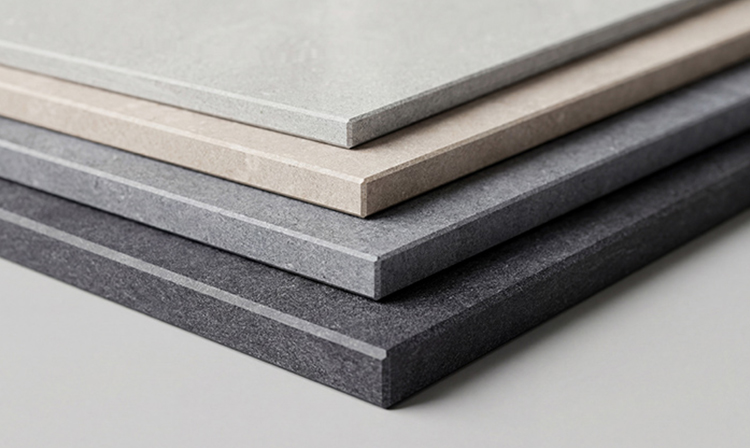
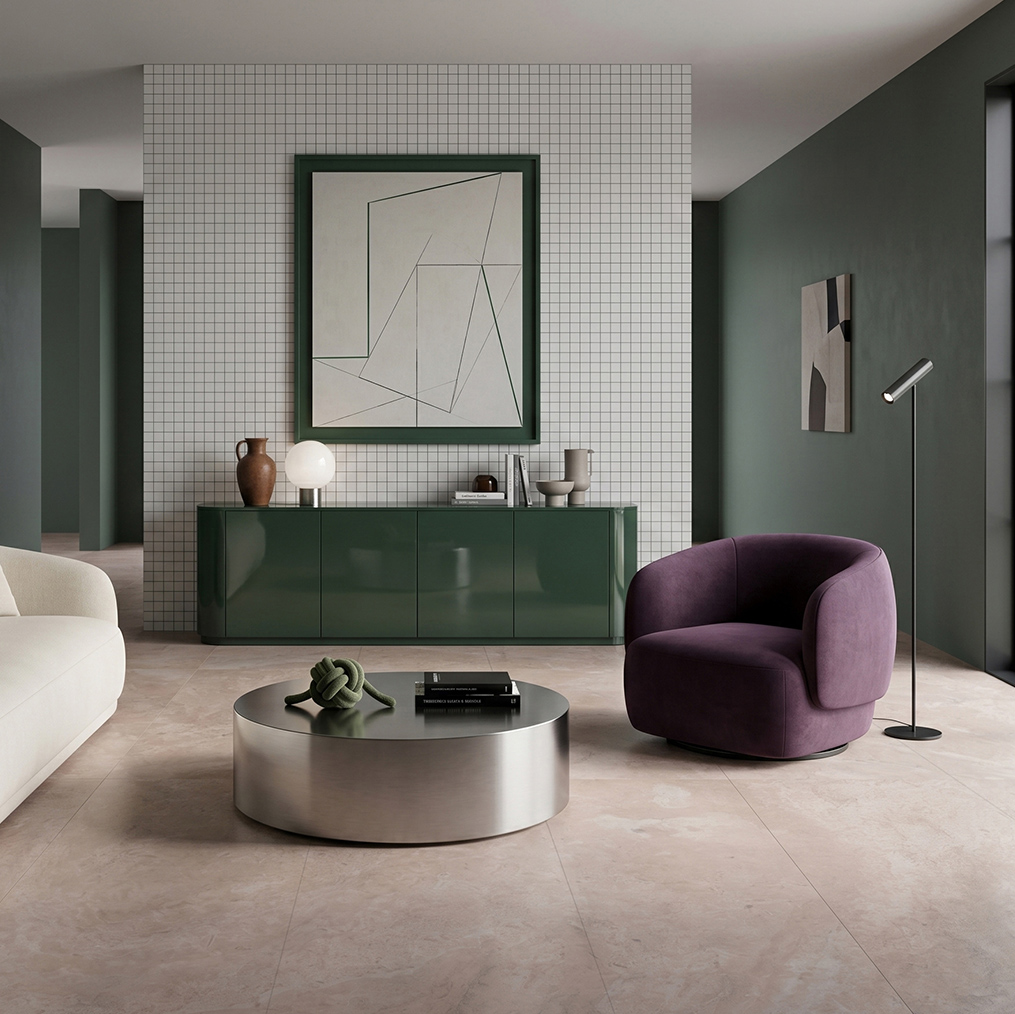
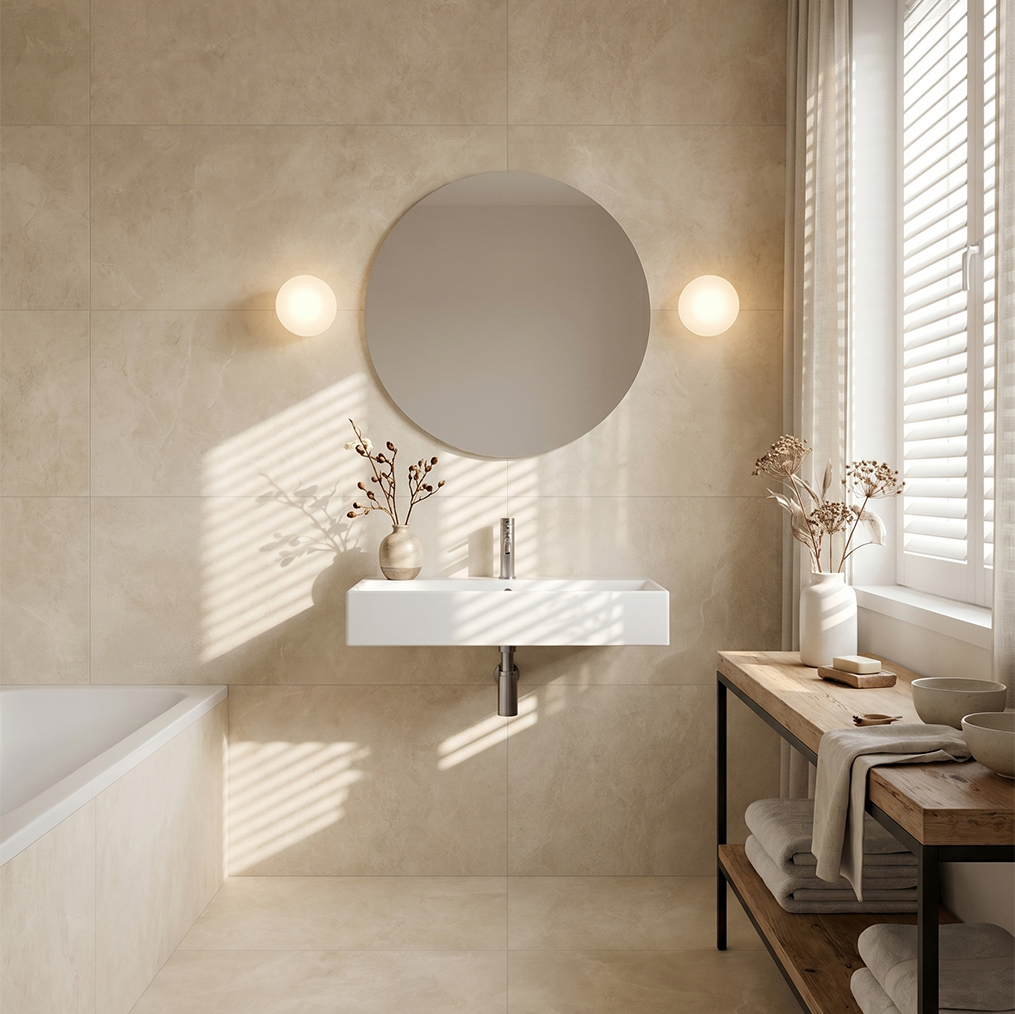
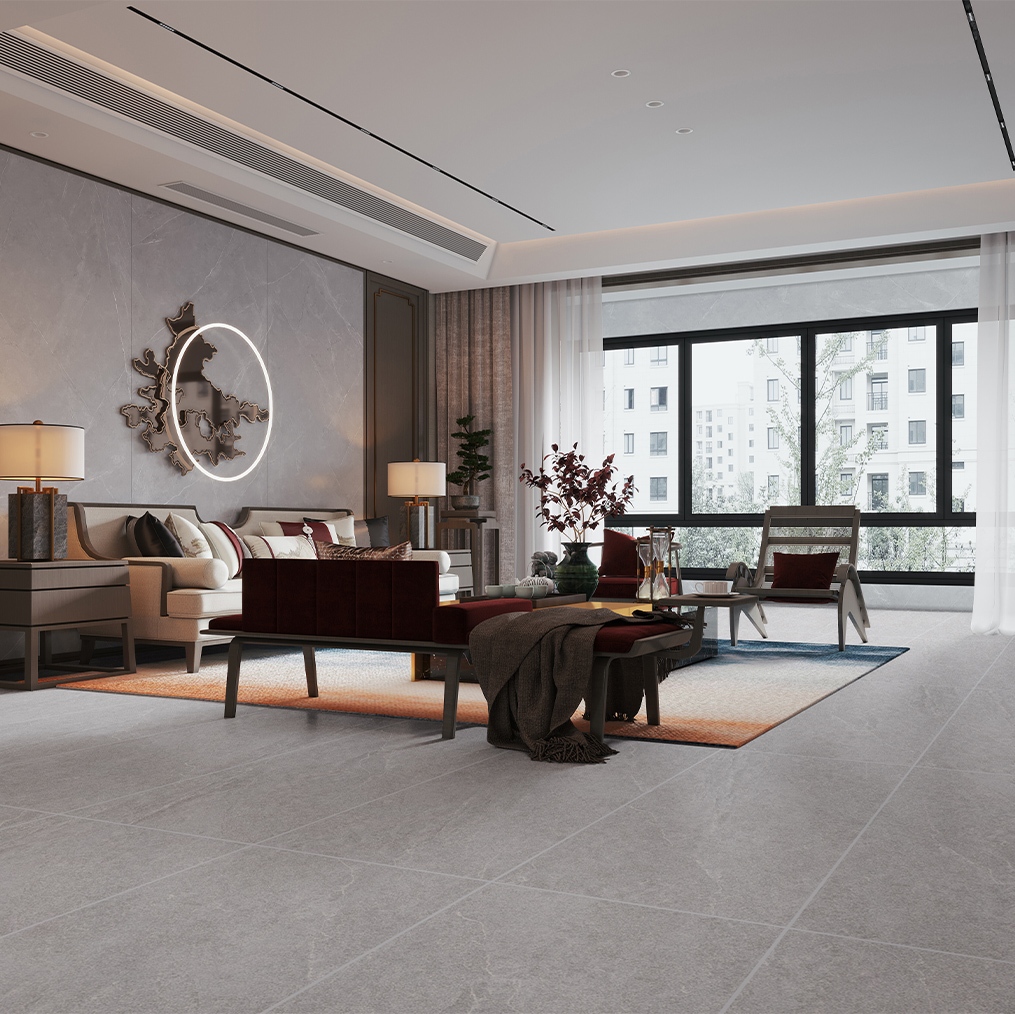
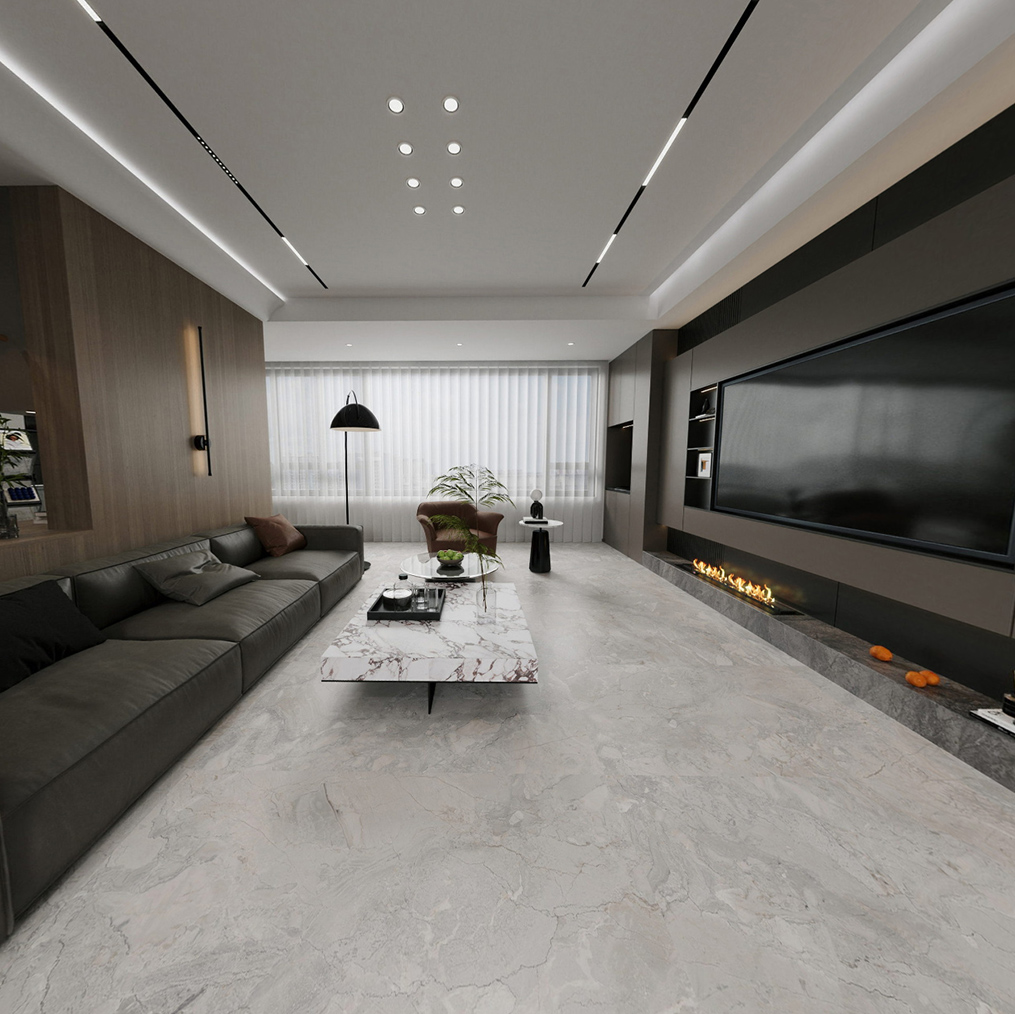
Matte porcelain tiles combine a low-sheen surface with the dense body and low water absorption associated with porcelain. This balance gives architects and homeowners a practical alternative to glossy finishes.
A matte tile does not depend on strong reflection to create visual impact. Instead, it uses:
We increasingly see matte finishes specified for open-plan kitchens, bathrooms, entryways, hospitality spaces, offices, and retail interiors. These environments require a material that performs consistently while supporting contemporary visual language.
A polished surface is mechanically or chemically refined to produce a higher level of gloss. It can make a room appear brighter, but it may also emphasize:
Matte porcelain tiles diffuse light rather than reflecting it directly. This helps create a calmer visual field and makes everyday marks less noticeable. However, “matte” does not automatically mean “slip-proof.” The correct decision still requires technical testing, intended-use analysis, and professional installation.
The popularity of matte porcelain is driven by several connected factors rather than a single design trend.
According to ASTM C373 and ISO 10545-3 classification principles, porcelain tile generally has water absorption of 0.5% or less. This dense structure helps the tile resist moisture penetration and supports its use in:
Low water absorption does not eliminate installation requirements. Correct adhesive coverage, movement joints, substrate preparation, and grout selection remain essential.
Modern interiors are expected to look clean without requiring constant intervention. Glossy tiles can reveal every smudge because their reflective surface creates sharp contrast. Matte tiles visually soften these irregularities.
This does not mean matte tile is maintenance-free. It means the surface is often more forgiving during normal use. For busy families, property managers, and commercial operators, that can reduce the perceived frequency of cleaning and preserve a consistent appearance between maintenance cycles.
Advanced inkjet decoration allows manufacturers to reproduce the appearance of natural stone, cement, marble, and timber with increasingly realistic veining and tonal variation.
For large projects, digital production also helps control:
As an experienced OEM Tile Supplier, JBN can support private-label collections, customized surface effects, packaging, and coordinated sizes for international buyers.
Large-format matte porcelain tiles reduce the number of grout joints visible across a floor or wall. Rectified edges can create a clean, architectural appearance when the substrate is flat and the installer follows the manufacturer’s joint recommendations.
Common modern formats include:
Larger dimensions require careful handling. Tile lippage, substrate deviation, suction, and back-buttering become more important as format size increases.
Aesthetic samples are useful, but they are not enough for a responsible specification. We recommend checking the following technical information with a qualified Porcelain and Ceramic Tile Supplier.
| Specification | Why It Matters | Typical Reference |
|---|---|---|
| Water absorption | Indicates density and moisture resistance | ASTM C373; ISO 10545-3 |
| Breaking strength | Helps assess load-bearing performance | ISO 10545-4; ASTM C648 |
| Surface abrasion | Supports suitability for traffic levels | ISO 10545-7; PEI classification |
| Chemical resistance | Important for cleaning agents and commercial use | ISO 10545-13; ASTM C650 |
| Slip performance | Helps evaluate wet or traffic-prone areas | ANSI A326.3; DIN 51130 |
| Dimensional tolerance | Supports alignment and grout-joint consistency | ISO 10545-2 |
| Frost resistance | Required for suitable exterior applications | ISO 10545-12; ASTM C1026 |
Testing standards do not replace project-specific judgment. For example, a tile suitable for a residential bathroom may not be appropriate for a supermarket entrance exposed to abrasive grit and heavy cart traffic.
At JBN, our quality-control process can include dimensional inspection with tolerance control to 0.01 mm for selected production checks, shade verification, surface inspection, and packing review. For export orders, buyers should also ask about lot traceability, carton labeling, pallet protection, and replacement procedures.
The decision between matte and polished porcelain affects more than interior styling. It influences procurement, project delivery, customer satisfaction, and lifecycle costs.
A poorly selected finish can lead to complaints after handover. Common issues include:
These failures can increase labor costs and create rework. A lower purchase price may become more expensive if the tile generates installation delays or maintenance complaints.
Importers need a reliable Porcelain and Ceramic Tile Supplier that can maintain product consistency across repeat orders. The key commercial risks include:
A supplier’s response speed is part of the product value. JBN aims to provide an initial response within 24 hours for product inquiries, specifications, and quotation requests, subject to project complexity and time-zone differences.
Hotels, restaurants, and offices often replace or repair surfaces while remaining operational. A matte porcelain range with stable production, coordinated accessories, and documented specifications can simplify future maintenance.
This is especially important when business use changes. A floor originally planned for light office traffic may later serve as a café, showroom, or retail space. Selecting a tile only for its initial appearance can create a performance gap when traffic, cleaning chemicals, or moisture exposure increases.
The most dependable evidence comes from standardized testing and controlled project evaluation.
Porcelain tile’s ≤0.5% water absorption classification under ISO 10545-3 and ASTM C373 explains why it is widely selected for moisture-prone environments. Meanwhile, slip assessment under ANSI A326.3 or DIN 51130 gives specifiers a more meaningful basis for evaluating walking surfaces than relying on the word “matte” alone.
Consider a 1,200-square-meter boutique hotel renovation. The design team initially selects a glossy dark tile because it creates a dramatic lobby effect. After opening, the facility records frequent cleaning marks, visible shoe prints, and complaints about surface appearance under strong downlighting.
For the replacement phase, the team changes to a light-to-medium matte porcelain tile with:
The result is not that cleaning disappears. Rather, daily marks become less visually dominant, the lobby maintains a more consistent appearance, and the operations team can use a standard cleaning procedure without continually polishing the surface.
This example demonstrates an important principle: the best tile is not necessarily the most visually striking sample. It is the product that performs reliably under the actual conditions of use.
We suggest following a structured selection process.
Identify whether the tile will be installed in:
The use category determines the necessary abrasion, slip, frost, and chemical-resistance requirements.
Matte finishes absorb and diffuse light. Dark matte tiles can make a room feel more intimate, while light colors can support a larger, brighter appearance.
Request physical samples whenever possible. Digital images cannot fully represent:
Large-format tiles require a qualified installer and a properly prepared substrate. Confirm:
Rectified matte porcelain is not a solution for an uneven floor. The substrate must be prepared before installation begins.
When comparing an OEM Tile Supplier, ask for:
A professional Porcelain and Ceramic Tile Supplier should be able to explain not only how the tile looks, but also how it is tested, packed, installed, and supported after delivery.
Choosing solely by price or visual trend can create long-term problems.
If a buyer ignores slip performance, the project may face safety concerns. If abrasion resistance is overlooked, a high-traffic floor may show premature wear. If shade and caliber are not controlled, installers may struggle to create a uniform layout. If packaging is inadequate, damaged cartons can cause shortages and delay completion.
The risks become greater when business conditions change. A residential project may become a rental property. A small retail store may expand its customer volume. A private bathroom may become part of a hotel or serviced apartment. Tile selected without a future-use review may not meet the demands of the new environment.
We also advise buyers to avoid unsupported claims such as “100% waterproof” or “100% slip-proof.” Responsible product communication should identify the test method, application limits, and installation conditions. At JBN, production programs can include 100% visual inspection for defined quality points, while laboratory testing and sampling plans verify measurable performance characteristics.
JBN combines design development with manufacturing and export support for buyers seeking dependable matte porcelain collections.
Our service can help with:
As an OEM Tile Supplier, we understand that international customers need more than attractive tile images. They need stable specifications, repeatable quality, clear documentation, and responsive project support.
For designers, contractors, importers, and developers, working with an experienced Porcelain and Ceramic Tile Supplier can reduce uncertainty before production and installation begin.
Matte porcelain tiles are popular in modern interiors because they offer a practical combination of understated aesthetics, low water absorption, design flexibility, and easier visual maintenance. Their success, however, depends on selecting the right technical specification for the environment.
Before placing an order, we recommend that you:
If you are planning a residential, hospitality, commercial, or OEM tile project, contact JBN to review matte porcelain options, technical requirements, and customization possibilities. The right tile should not only look modern on the day of installation—it should continue to perform as your space, lifestyle, and business evolve.
Feel free to reach out for any queries. We would be happy to help!
We look forward to working with you.
Navigation
Navigation
Contact Us
Telephone: 0086-757-83327093
E-mail: jbn002@jbnjbn.com
WhatsApp: +86 136 9028 1303
WeChat: +86 136 9028 1303
Address:Building 4, Area B, Ceramics International Trading Center, Jihua Xi Road, Foshan, Guangdong, China
Get in Touch
Get in Touch