05,Nov 2026
Sintered stone generally performs better than quartz against heat, thermal shock, UV exposure, and many chemical agents, while quartz offers predictable fabrication and strong indoor stain resistance. In my comparison, the right choice depends on the application, slab specification, edge design, installation quality, and total project cost rather than appearance alone.
| Factor | Sintered Stone | Engineered Quartz | Practical Result |
|---|---|---|---|
| Composition | Mineral-based, resin-free material formed under heat and pressure | Crushed quartz minerals bound with polymer resin | Sintered stone tolerates higher temperatures; quartz is more fabrication-friendly |
| Heat resistance | Strong resistance to hot cookware and high-temperature contact | Resin can discolor, scorch, or weaken under concentrated heat | Sintered stone is safer for hot pans and outdoor cooking areas |
| Thermal shock | Usually strong, but edges and unsupported sections remain vulnerable | More sensitive to rapid temperature changes | Use correct thickness, support, and installation for both materials |
| Scratch resistance | High surface hardness; finish affects visible wear | Strong everyday scratch resistance, but cutting directly on the surface is not recommended | Sintered stone usually has the advantage in abrasive environments |
| Stain resistance | Very low porosity when properly manufactured | Nonporous surface resists most household stains | Both suit kitchens; prompt cleaning remains important |
| Chemical resistance | Strong resistance to many acids, alkalis, and solvents | Household chemicals may damage resin or dull the finish | Sintered stone is better for demanding commercial or laboratory conditions |
| UV resistance | Suitable grades remain stable in direct sunlight | Extended UV exposure can discolor some resin formulations | Sintered stone is the safer choice outdoors or in very sunny rooms |
| Edge-impact resistance | Hard but comparatively brittle at thin or sharp edges | Resin adds some flexibility during fabrication and use | Quartz may be more forgiving around exposed indoor edges |
| Maintenance | Routine cleaning with water and a pH-neutral cleaner | Similar daily maintenance requirements | Both are low-maintenance when installed correctly |
| Cost | Material and fabrication costs can be higher | Often easier to price and fabricate for indoor projects | Compare full installed cost, not slab price alone |
| Best applications | Outdoor kitchens, facades, tables, high-sun areas, demanding worktops | Indoor kitchens, bathrooms, islands, and standardized residential projects | The project environment should determine the material |
The central difference between the materials is their composition. Sintered stone is made from selected mineral powders, pigments, and other inorganic raw materials that are compacted and fired at very high temperatures. The process creates a dense, ceramic-like surface without the polymer resin used in conventional engineered quartz.
Quartz countertops are engineered from quartz particles combined with binders, pigments, and polymer resin. The exact formulation varies between manufacturers and product series, so I recommend requesting the technical datasheet before making a comparison. Resin content, surface finish, slab thickness, reinforcement, and curing conditions can change heat, chemical, and UV performance.
Sintered stone is not exactly the same as every porcelain slab, although the products can share mineral composition and manufacturing principles. Some sintered stone products are marketed as large-format porcelain or ultra-compact surfaces, while others use proprietary formulations. I compare the test results and installation instructions rather than relying only on the product name.
!
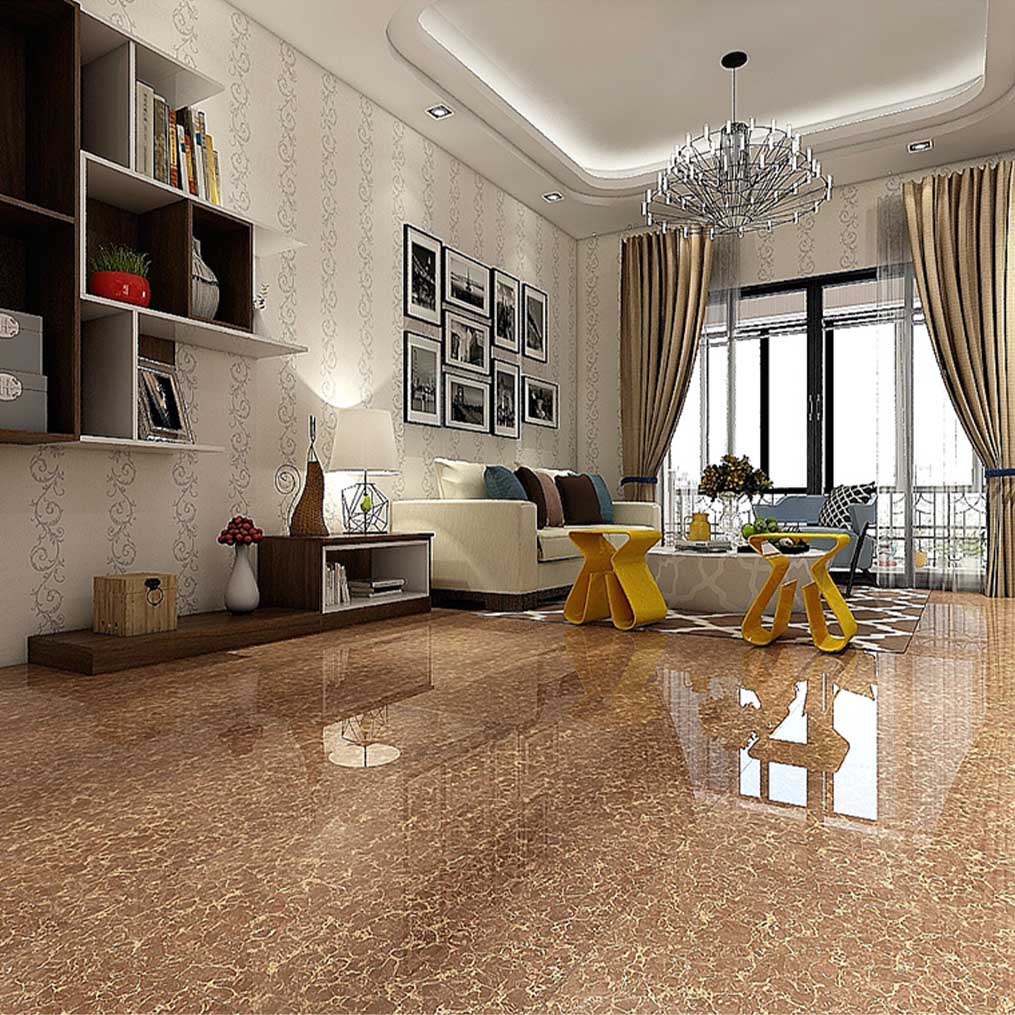
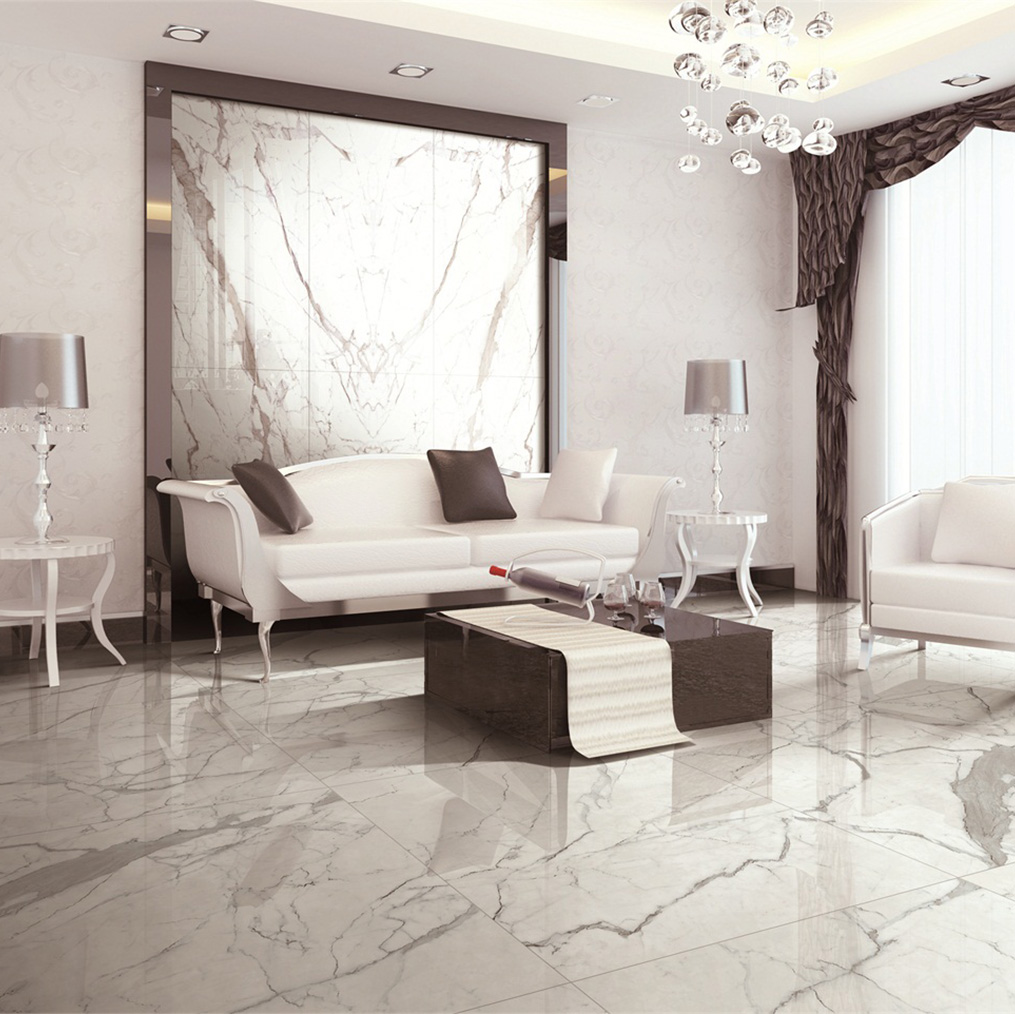
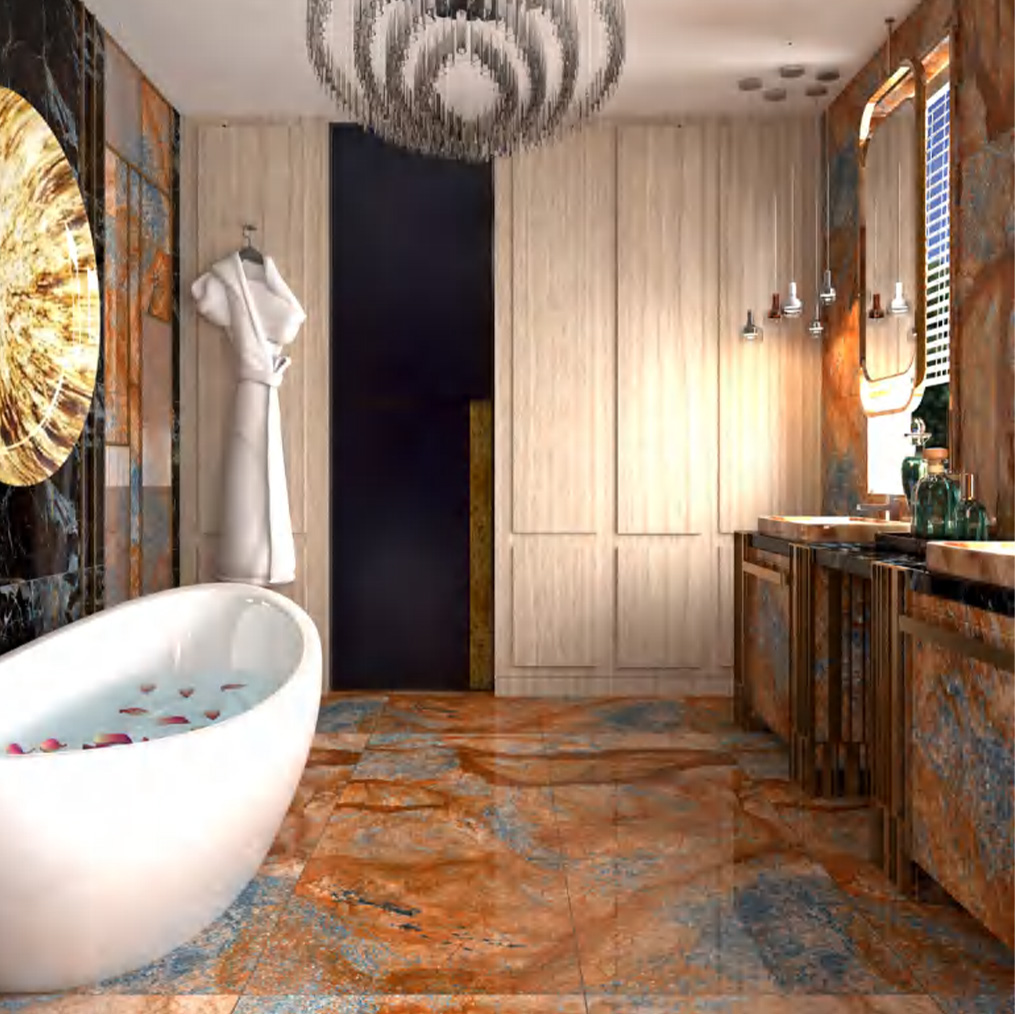
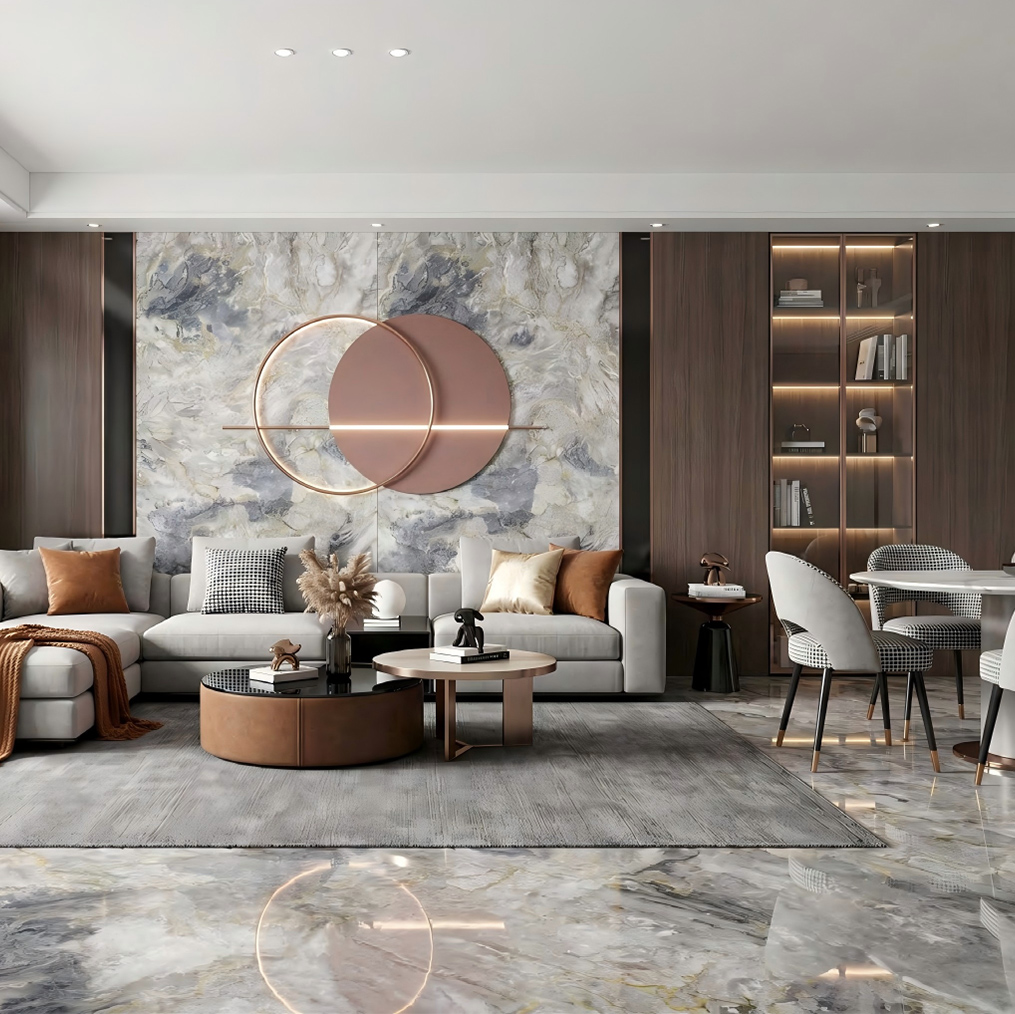
JBN supplies Sintered Stone Slabs in formats including 1200×2400mm, 1200×2700mm, 1600×3200mm, and 800×2600mm, with thicknesses from 9mm to 20mm. Its published product information identifies low water absorption of no more than 0.5% for selected slabs and lists applications such as countertops, vanities, wall cladding, flooring, furniture, and exterior surfaces. JBN also describes OEM and ODM support, sample availability, ISO 9001 quality management, and pre-shipment checks for selected orders.
A broad statement such as “durable surface” does not tell me enough to approve a countertop. I separate the performance review into individual resistance categories because a material can be strong against stains but vulnerable at a thin edge, or strong against heat but difficult to fabricate. The scorecard below is a practical screening tool, not a substitute for the manufacturer’s test report.
| Resistance category | Sintered stone | Quartz | What buyers should verify |
|---|---|---|---|
| Direct heat | 5/5 | 3/5 | Maximum contact temperature and hot-pan guidance |
| Thermal shock | 4/5 | 3/5 | Test method, thickness, cutout reinforcement, and support spacing |
| Surface scratches | 5/5 | 4/5 | Abrasion test, finish type, and care instructions |
| Household stains | 5/5 | 5/5 | Water absorption, stain test method, and cleaning chemicals |
| Strong chemicals | 4–5/5 | 3/5 | Acid, alkali, solvent, and disinfectant resistance |
| UV exposure | 5/5 for rated products | 2–4/5 | Accelerated UV test and exterior-use classification |
| Edge impact | 3–4/5 | 4/5 | Edge profile, corner radius, thickness, and fabrication method |
| Chipping during fabrication | 3–4/5 | 4/5 | Fabricator experience, cutting equipment, and support method |
| Repairability | 3/5 | 3–4/5 | Availability of matching slabs and local repair services |
For sintered stone heat resistance, the main advantage comes from its inorganic composition. A properly specified slab can generally handle hot cookware better than quartz, and it is more suitable for applications where sunlight, grills, ovens, or high-temperature equipment create concentrated heat. Even so, I would not treat any thin slab or unsupported overhang as immune to cracking.
Quartz requires more caution because its polymer binder can react to concentrated heat. I recommend using trivets for hot pans and slow cookers, even when a quartz manufacturer describes the surface as heat resistant. Sintered stone can usually accept hotter objects, but a sudden temperature change near a sink cutout, seam, or thin edge can still cause damage.
In a sintered stone vs quartz scratch resistance comparison, sintered stone normally has the harder surface. Its mineral structure is suitable for heavy-use worktops, tables, wall panels, and commercial interiors where abrasive particles may be dragged across the surface.
Quartz also resists ordinary kitchen wear well, but I would not use a knife directly on either material. Sand, ceramic fragments, metal cookware, and abrasive cleaning pads can create visible marks, especially on polished or dark finishes. Surface texture changes how scratches appear, so sample testing under strong side lighting is useful before ordering.
Both surfaces are suitable for kitchens because they have low liquid absorption compared with many porous natural stones. Coffee, wine, oil, sauces, and cosmetics are less likely to penetrate when spills are removed promptly and the surface is correctly finished.
Sintered stone usually has the broader chemical-resistance range because it contains no resin binder. This matters in restaurants, laboratories, salons, healthcare spaces, and commercial kitchens where disinfectants, acids, alkalis, or solvents may be used. Quartz is suitable for ordinary household cleaners, but aggressive chemicals can discolor the resin or dull the surface.
For sintered stone vs quartz UV resistance, sintered stone is usually the more reliable option. Rated sintered stone products can be used for outdoor kitchens, patios, facades, exterior tables, and sunny rooms because their color is based mainly on mineral pigments rather than a resin binder.
Quartz may be acceptable in shaded outdoor areas, but I would not specify it for prolonged direct sunlight unless the manufacturer provides a written exterior-use warranty and accelerated UV test data. The same issue applies to large windows and roof terraces: even indoors, sustained sunlight can expose a surface to years of UV radiation.
For a conventional indoor kitchen, either material can work. Quartz is often practical when the project needs many local fabricators, predictable edge profiles, and a wide selection of residential colors. Sintered stone becomes more attractive when the kitchen includes hot cookware, a large island, strong sunlight, or a design that continues onto walls and cabinet fronts.
Large sintered stone slabs can also reduce joints when the selected format matches the island dimensions. JBN lists 1600×3200mm slabs with 12mm and 20mm options, giving fabricators more room for large worktops and commercial surfaces. The final result still depends on transport, cutting accuracy, seam placement, and support under the slab.
I recommend sintered stone for outdoor kitchens because it addresses the two main risks that affect exterior countertops: UV exposure and temperature variation. The selected product should also be rated for frost, moisture, and the local climate, particularly where winter freezing can occur.
Quartz is not automatically unsuitable outdoors, but its use requires stronger documentation. If the supplier cannot provide exterior-use guidance, UV testing, and warranty coverage, I would choose a mineral-based alternative instead of assuming indoor performance will continue outside.
Both materials can perform well in bathroom vanities because low porosity reduces the risk from water, cosmetics, and cleaning products. Quartz may be efficient for standard vanity fabrication, while sintered stone offers more flexibility for matching wall cladding, shower panels, furniture tops, and floor surfaces.
For dining tables and furniture, thickness and edge treatment become more important than the material label. A thin slab with an unsupported corner can fail under impact, while a thicker design with a proper substrate distributes loads more effectively. I always ask for the recommended substrate, maximum overhang, corner radius, and cutout reinforcement details.
Commercial projects often favor sintered stone when the surface must withstand direct sunlight, frequent cleaning, and a broad range of chemicals. Large formats can reduce joints on walls and floors, but they also demand specialized handling equipment and experienced installers.
Quartz can remain a sensible choice for indoor reception desks, retail counters, offices, and hospitality interiors where the temperature and UV exposure are controlled. The decision should be based on traffic, cleaning chemicals, replacement access, and the availability of matching material several years after completion.
The lowest slab quotation does not necessarily produce the lowest project cost. I compare five cost layers: material, fabrication, transport, installation, and future repair or replacement. Sintered stone may carry higher fabrication and handling costs because it requires suitable cutting tools, trained installers, stronger packaging, and careful edge preparation.
Quartz can be easier to fabricate in some regions because more countertop shops are familiar with its cutting and polishing requirements. However, outdoor use, UV damage, or heat-related replacement can change the long-term calculation. A material that costs less at purchase can become more expensive if it requires early replacement or cannot be matched later.
For a reliable comparison, I ask each supplier and fabricator to quote the same scope:
Routine maintenance is similar for both materials. I use a soft cloth, warm water, and a neutral cleaner, then remove acidic, oily, or strongly pigmented spills rather than allowing them to dry. I avoid abrasive powders, metal scouring pads, unapproved solvents, and standing water around seams or cutouts.
Supplier selection should include more than color and price. I request a technical datasheet, water-absorption result, flexural-strength information, stain and chemical testing, UV classification, thermal guidance, installation manual, and warranty document. If the product is intended for an outdoor kitchen or facade, the supplier should identify the specific series approved for exterior use.
Sample availability is also important because a small sample reveals finish texture, edge behavior, color variation, and scratch visibility. I compare the sample with the actual production slab when possible, especially for large printed patterns. A supplier that can provide slab photos, batch information, packaging details, and pre-shipment inspection records reduces selection risk.
For international projects, I also review slab dimensions, container loading, lead times, replacement procedures, and documentation for the destination market. JBN describes support for distributors, fabricators, furniture manufacturers, architects, contractors, and commercial projects, with customization for colors, patterns, sizes, finishes, and packaging. Those capabilities may be useful when a project requires private-label collections or repeated supply rather than one residential order.
| Project priority | Recommended material | Reason |
|---|---|---|
| Standard indoor kitchen | Quartz or sintered stone | Both offer low porosity and strong everyday performance |
| Hot pans and high-temperature equipment | Sintered stone | Better tolerance of concentrated heat and resin-free composition |
| Outdoor kitchen | UV-rated sintered stone | Better resistance to sunlight and temperature variation |
| Bathroom vanity | Either material | Low absorption and simple daily cleaning are the main requirements |
| Dining table | Sintered stone with suitable support | Better abrasion and heat performance when properly fabricated |
| Commercial kitchen | Sintered stone | Broader chemical and heat resistance can reduce operational risk |
| Facade or exterior cladding | Exterior-rated sintered stone | Suitable formats and finishes are available for architectural applications |
| Maximum edge flexibility | Quartz | Resin content can make fabrication more forgiving around some edges |
| Easy local fabrication | Quartz in regions with many trained shops | Installer availability may reduce fabrication risk and scheduling delays |
| Large-format wall or island | Sintered stone | Large slabs can reduce visible joints when handling is planned correctly |
In my Sintered Stone vs Quartz: Heat, Scratch, Stain, and UV Resistance comparison, sintered stone is the stronger overall choice for hot cookware, direct sunlight, outdoor kitchens, chemical exposure, and highly abrasive applications. Quartz remains a practical material for many indoor kitchens and bathrooms because it offers strong stain resistance, familiar fabrication methods, and dependable everyday performance.
I would choose sintered stone when the project demands heat tolerance, UV stability, large-format coverage, or exterior use. I would choose quartz when local fabrication access, conventional residential installation, edge customization, and predictable indoor sourcing are more important than outdoor durability.
Before ordering, I recommend comparing technical datasheets and complete installed quotations rather than headline slab prices. Confirm thickness, support spacing, edge details, cutout reinforcement, UV classification, warranty terms, lead time, and replacement availability. That process provides a more accurate answer than asking whether sintered stone is simply better than quartz: each material is better for a different operating environment.
Feel free to reach out for any queries. We would be happy to help!
We look forward to working with you.
Navigation
Navigation
Contact Us
Telephone: 0086-757-83327093
E-mail: jbn002@jbnjbn.com
WhatsApp: +86 136 9028 1303
WeChat: +86 136 9028 1303
Address:Building 4, Area B, Ceramics International Trading Center, Jihua Xi Road, Foshan, Guangdong, China
Get in Touch
Get in Touch