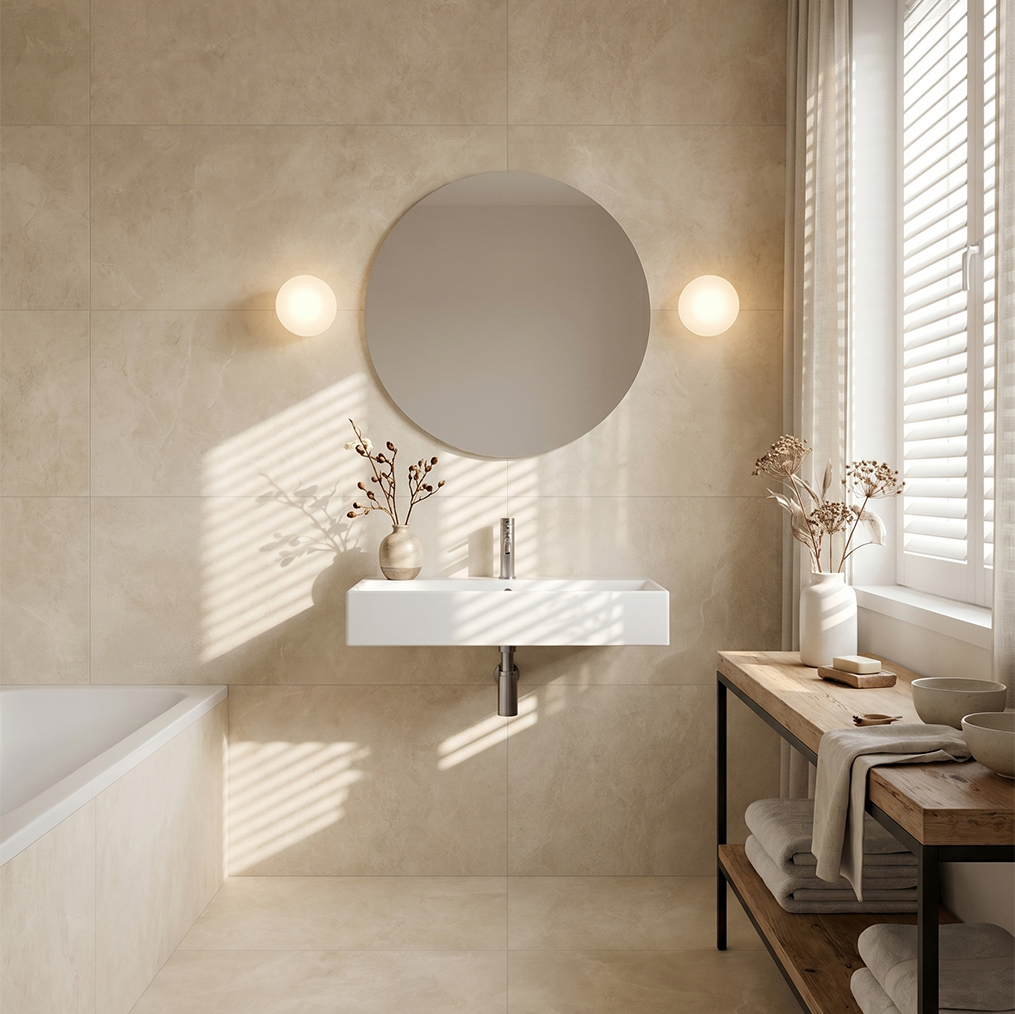
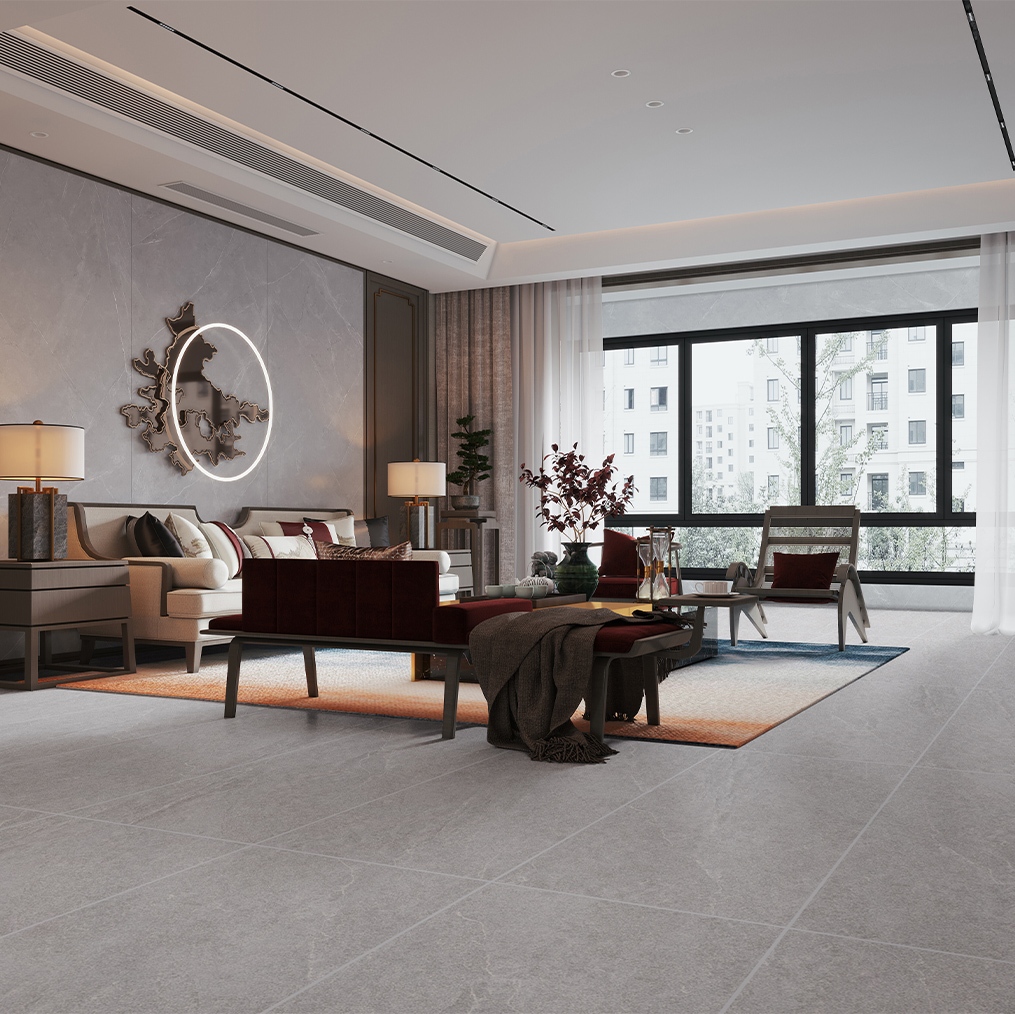
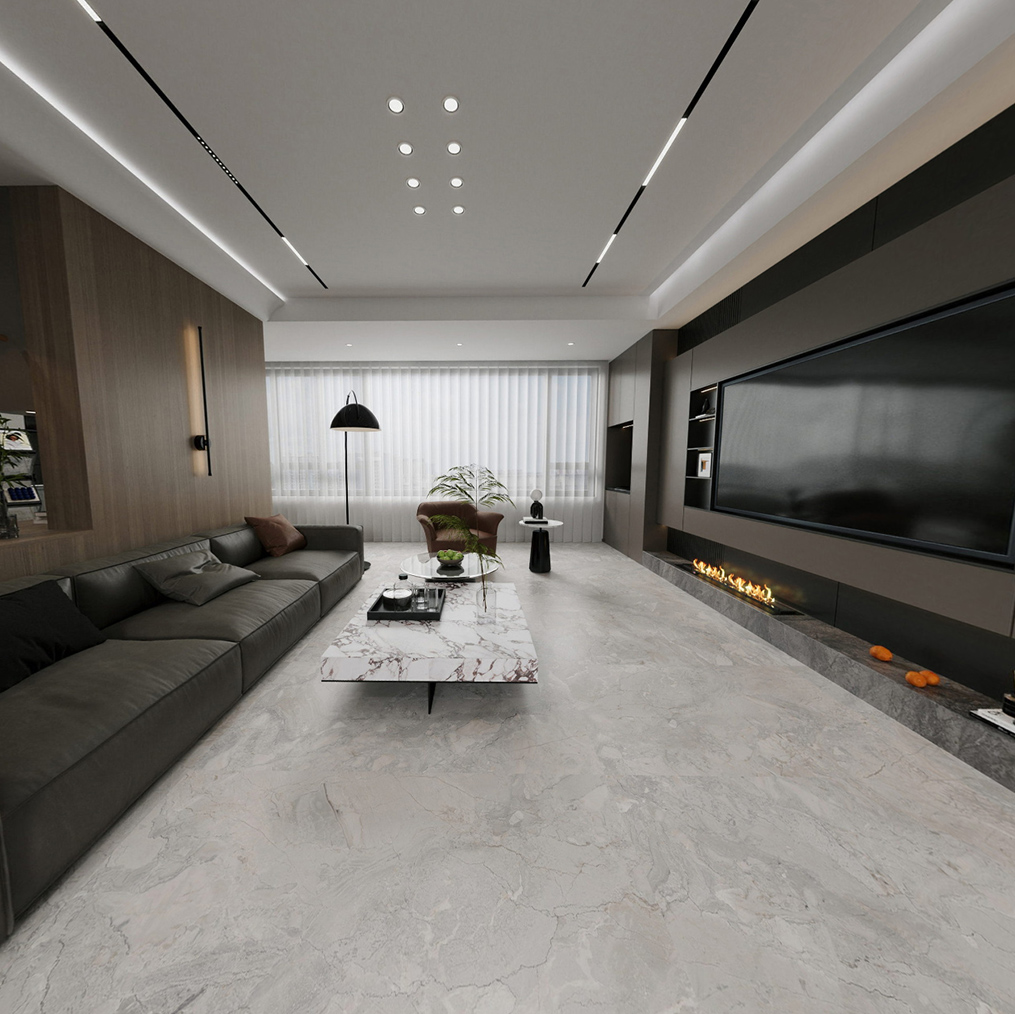
For buyers comparing stone look porcelain tile with natural stone, the key question is not simply which material looks more luxurious. They want to know which option delivers the best balance of appearance, durability, maintenance, installation difficulty, long-term stability, and total cost. An experienced OEM Tile Supplier such as JBN can help match the right surface to the project, climate, traffic level, and maintenance budget.
What Buyers Want to Know Before Choosing Between the Two Materials
Appearance must be compared beyond the showroom sample
Searchers usually want to know whether porcelain tile can provide the depth, movement, and natural variation of real stone. They also want to understand whether repeated porcelain patterns will look artificial across a large floor or wall.
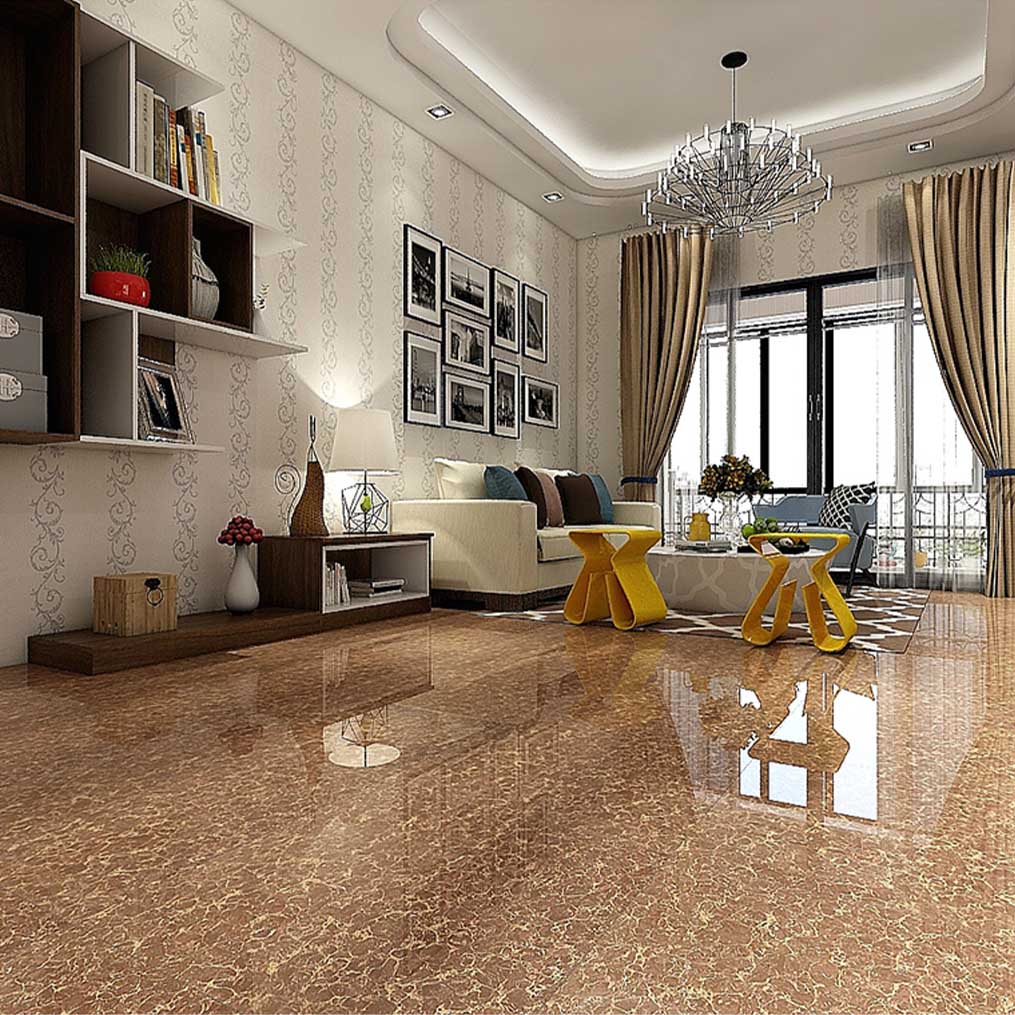
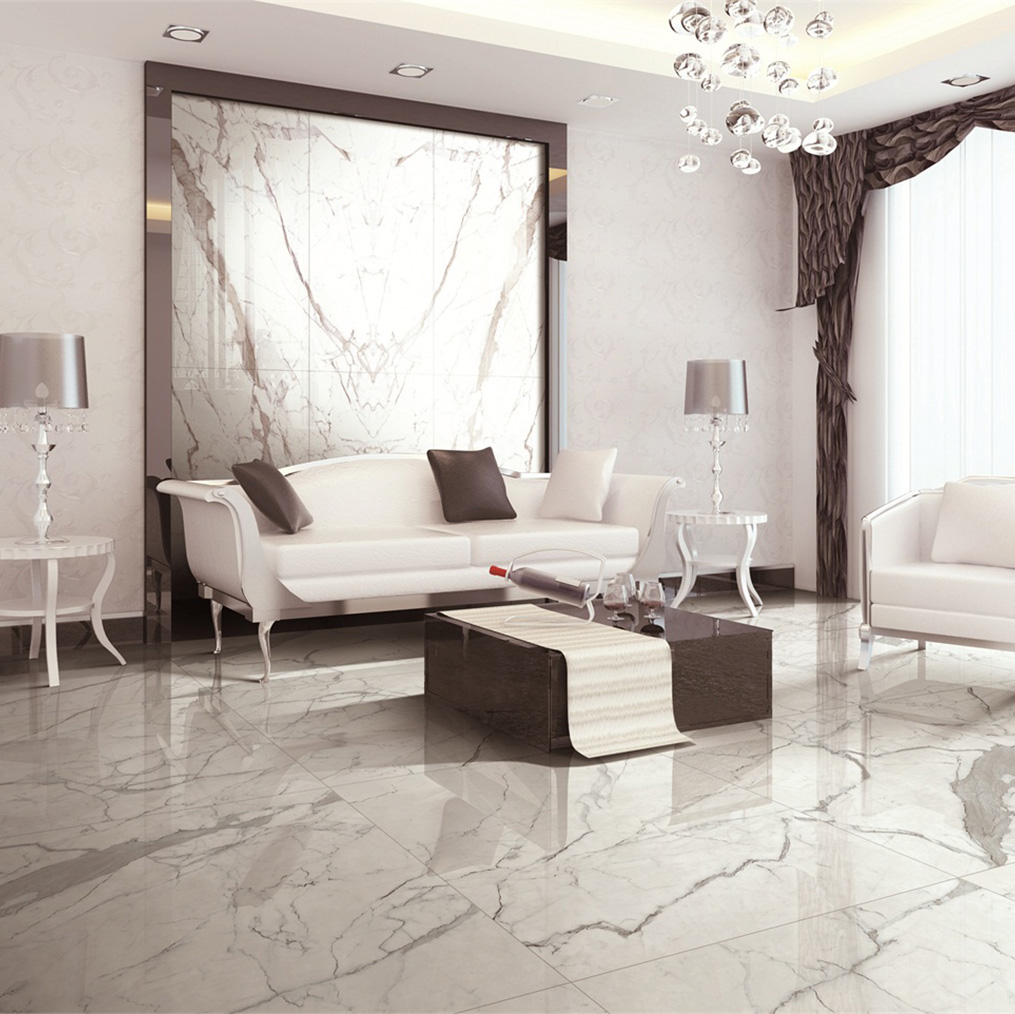
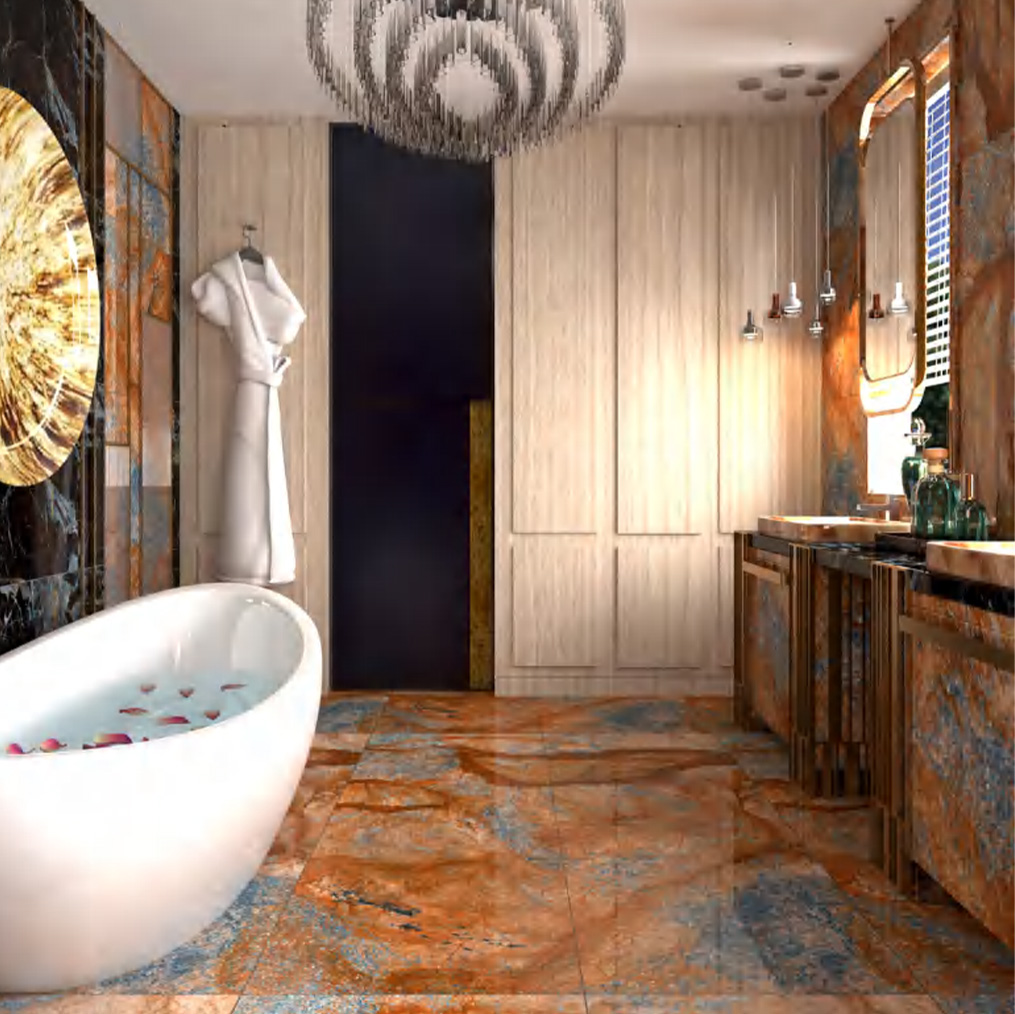
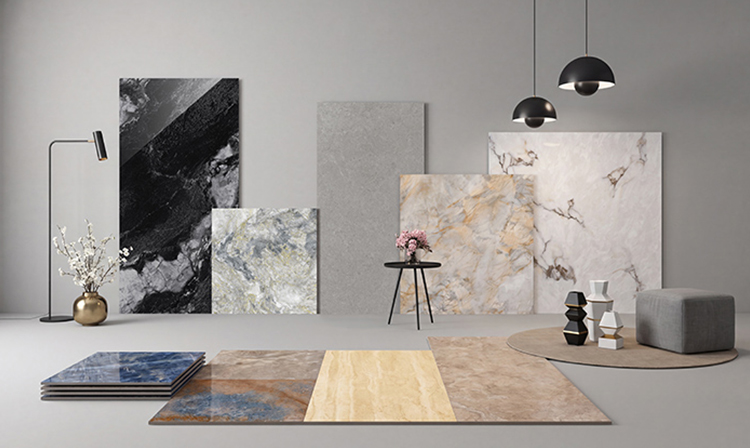
- Stone look porcelain tile uses high-resolution digital printing and textured surfaces to imitate marble, limestone, slate, travertine, and other stones.
- Natural stone has authentic mineral variation, random veining, color shifts, pores, and geological markings.
- Porcelain usually provides a more predictable color and pattern across multiple cartons.
- Natural stone provides a one-of-a-kind appearance, but the delivered material may differ from the original sample.
Performance and maintenance affect real ownership costs
Many purchasing groups are not only homeowners. They include architects, contractors, tile distributors, hotel developers, retailers, and property managers. These buyers need reliable information about water absorption, scratching, staining, sealing, cleaning, replacement, and installation.
- Residential buyers often prioritize appearance, easy cleaning, and price.
- Commercial buyers usually prioritize durability, slip resistance, batch consistency, and replacement availability.
- Contractors focus on cutting, installation tolerance, substrate requirements, and labor time.
- Distributors need stable supply, packaging quality, technical documents, and consistent production batches.
Core Parameter Comparison: Stone Look Porcelain Tile vs. Natural Stone
Technical specifications at a glance
| Parameter |
Stone Look Porcelain Tile |
Natural Stone |
Practical Buying Meaning |
| Primary material |
Refined clay, feldspar, minerals, pigments, and compacted body |
Quarried marble, granite, limestone, travertine, slate, or other stone |
Porcelain is manufactured for consistency, while natural stone is formed by geological processes. |
| Water absorption |
Usually 0.5 percent or lower for porcelain-grade products |
Varies widely by stone type and finish |
Low absorption makes porcelain suitable for wet areas and easier to maintain. |
| Pattern consistency |
Generally controlled by digital printing and production sorting |
Random and naturally variable |
Porcelain is easier to specify for large projects that need a consistent appearance. |
| Color consistency |
High within the same production batch, with possible shade variation between batches |
Natural variation is expected between pieces, blocks, and lots |
Always confirm shade codes and order sufficient extra material. |
| Scratch resistance |
High when the product has an appropriate surface hardness and is correctly installed |
Depends on the stone; granite is generally harder than marble or limestone |
Heavy-traffic areas require a product selected for the actual use conditions. |
| Stain resistance |
Usually high because of low porosity |
Depends on porosity and whether the stone is sealed |
Porcelain is normally more forgiving around kitchens, entrances, and commercial spaces. |
| Slip resistance |
Depends on surface texture, finish, and testing result |
Depends on texture, porosity, finish, and wet conditions |
Do not choose by appearance alone. Request slip-resistance data for wet areas. |
| Sealing requirement |
Usually not required, except for some grout or special surfaces |
Often required and may need periodic renewal |
Natural stone can involve higher maintenance labor and material cost. |
| Cleaning difficulty |
Routine cleaning is generally simple with a neutral cleaner |
Requires stone-safe products and careful treatment of acidic substances |
Porcelain is often better for busy households and commercial maintenance teams. |
| Installation tolerance |
Factory-controlled dimensions, but substrate flatness remains important |
Thickness, size, and flatness may vary by material and fabrication method |
Natural stone may require more sorting, adjustment, and skilled labor. |
| Outdoor suitability |
Suitable when frost resistance, water absorption, and slip performance are confirmed |
Depends heavily on stone type, climate, porosity, and finish |
Cold or wet climates require product-specific technical verification. |
| Replacement matching |
More predictable if the same series remains available |
Exact matching is difficult because every piece is naturally different |
Keep spare boxes from the original batch for future repairs. |
| Typical maintenance burden |
Low to moderate |
Moderate to high depending on stone type and location |
Maintenance should be calculated as part of the total project cost. |
How to interpret the specifications
Technical numbers are useful only when they relate to the installation environment. A low water absorption rate is important for bathrooms and outdoor applications, but it does not replace proper waterproofing or drainage. A hard surface does not automatically provide adequate slip resistance. Buyers should request the product data sheet, test results, finish description, and recommended use area before placing an order.
Actual Use Experience: What Daily Ownership Is Really Like
Daily cleaning and stain control
Stone look porcelain tile is generally easier to live with because the dense surface resists common household stains. Dust, food residue, water marks, and many light spills can usually be removed with regular sweeping and a neutral cleaner.
- Porcelain usually tolerates normal household cleaning routines.
- Natural stone may react to acidic cleaners, wine, coffee, oils, and other staining substances.
- Marble and limestone can develop etching when exposed to acidic materials.
- Natural stone should be cleaned with products specifically labeled for stone surfaces.
- Grout maintenance is important for both materials, especially in wet areas.
Long-term stability and dimensional behavior
Both materials can provide long service life when installed over a stable substrate. In practical use, installation quality often affects performance more than the material name alone.
- Porcelain has stable factory dimensions and low moisture movement.
- Natural stone may vary in thickness, flatness, density, and moisture response.
- Both materials can crack if the substrate moves, settles, or lacks proper movement joints.
- Large-format tiles need a flat substrate and adequate mortar coverage.
- Exterior installations require correct expansion joints, drainage, and freeze-thaw planning.
Service life and replacement experience
Neither material has a fixed battery-life-style limit. Actual service life depends on traffic, installation, cleaning, impact, moisture, and maintenance. In a well-designed installation, porcelain and hard natural stone can both last for decades.
- Porcelain offers predictable replacement color when the original product series is still in production.
- Natural stone can be repaired or refinished in some cases, but an exact replacement may be difficult to find.
- Glazed porcelain may show wear if an unsuitable product is used in extremely heavy traffic.
- Natural stone can often be polished or refinished, although this adds labor and cost.
- Saving spare material is recommended for both options.
Installation experience for contractors
Porcelain is manufactured to controlled dimensions, but it is dense and may require quality diamond blades and professional tools. Natural stone may be easier to cut in some cases, but thickness variation, edge treatment, sealing, and piece selection can increase labor time.
- Check the substrate for flatness, moisture, cracks, and structural movement.
- Confirm the tile layout before cutting or ordering trim pieces.
- Mix tiles from different cartons to distribute shade and pattern variation.
- Use the mortar and trowel size recommended for the tile format and substrate.
- Maintain the specified joint width and movement joints.
- Clean grout residue before it hardens on the surface.
- Seal natural stone after installation when recommended by the stone supplier.
Advantages and Disadvantages of Stone Look Porcelain Tile
Main advantages of porcelain
- Low water absorption and strong resistance to common stains.
- Consistent production suitable for large residential and commercial projects.
- Wide range of stone-inspired colors, sizes, finishes, and surface textures.
- Usually does not require routine sealing.
- Simple daily cleaning and lower maintenance labor.
- Good availability from established manufacturers and distributors.
- Suitable options are available for floors, walls, bathrooms, kitchens, and selected outdoor uses.
- Often provides a lower installed cost than premium natural stone.
Main disadvantages of porcelain
- Some patterns may repeat and appear less authentic across a large area.
- Dense material can be difficult to cut without professional equipment.
- Repairing a chipped piece may be more visible than refinishing natural stone.
- Surface texture, slip performance, and wear resistance vary significantly by product.
- Low-cost products may have weaker pattern depth, inconsistent calibration, or poor packaging.
- Large-format products require careful handling and a highly level substrate.
Advantages and Disadvantages of Natural Stone
Main advantages of natural stone
- Authentic geological variation that cannot be perfectly duplicated by printing.
- Premium visual character for luxury homes, hospitality projects, and statement surfaces.
- Many stones can be polished, honed, brushed, or refinished.
- Natural veining and texture can create a unique appearance in every installation.
- Some hard stones provide excellent performance in heavy-use applications.
- Natural stone may appeal to buyers who prioritize material authenticity and uniqueness.
Main disadvantages of natural stone
- Porosity and maintenance requirements vary widely between stone types.
- Sealing may be required before use and repeated during the service life.
- Acidic substances can etch sensitive stones such as marble and limestone.
- Color, thickness, and pattern may be difficult to control across different lots.
- Installation can require more sorting, fabrication, adjustment, and specialist labor.
- Exact replacement material may be difficult to source later.
- Transport and handling can be more expensive because of weight and fabrication requirements.
Cost Comparison: Purchase Price Is Only One Part of the Decision
Initial material and installation cost
Stone look porcelain tile often has a more predictable project budget because the tile dimensions, thickness, production quality, and carton quantities are controlled. Natural stone pricing varies considerably according to quarry, rarity, grade, finish, slab or tile format, and supply conditions.
- Porcelain may have a lower or mid-range material cost, although premium large-format designs can be expensive.
- Natural stone may have a higher material cost for rare colors, premium blocks, or custom fabrication.
- Natural stone installation may cost more because of sealing, sorting, cutting, and thickness adjustment.
- Large porcelain formats may also require extra labor, lifting equipment, and skilled installers.
Lifetime cost and maintenance budget
A lower purchase price is not always the lowest total cost. Buyers should calculate cleaning products, resealing, repairs, replacement stock, labor, and expected service life.
- Calculate the material cost per square meter or square foot.
- Add delivery, unloading, breakage allowance, trims, adhesive, grout, and installation.
- Estimate sealing and maintenance costs over five to ten years.
- Consider the cost of removing and replacing damaged pieces.
- Confirm whether matching products will remain available for future repairs.
Which Material Is Better for Each Application?
Bathrooms, showers, and wet rooms
Stone look porcelain tile is usually the easier choice for wet areas because of its low absorption and simple cleaning. However, the surface must still have suitable slip performance, and the complete waterproofing system must be installed correctly.
- Choose porcelain for low-maintenance shower walls and bathroom floors.
- Use textured or tested slip-resistant surfaces where standing water is expected.
- Choose natural stone only when the owner accepts sealing and stone-specific maintenance.
- Use compatible grout and movement joints in areas exposed to moisture.
Kitchens and dining areas
Porcelain is often more practical for kitchen floors and backsplashes because it resists many common stains and does not usually require sealing. Natural stone can create a premium appearance, but the selected stone must be evaluated for oil absorption, etching, and heat exposure.
Living rooms and bedrooms
Both materials can work well in low-moisture interior spaces. The decision is mainly based on appearance, budget, maintenance preference, underfloor heating requirements, and the desired level of natural variation.
Hotels, restaurants, and retail spaces
Commercial projects usually benefit from porcelain when consistent supply, easy cleaning, replacement planning, and predictable performance are important. Natural stone may be appropriate for feature walls, reception areas, luxury suites, or locations where a unique visual identity justifies the additional maintenance.
Outdoor patios, terraces, and facades
Outdoor use requires more than a stone appearance. Confirm frost resistance, water absorption, breaking strength, slip resistance, thermal movement, drainage, and installation method. Natural stone selection must also consider local climate and the stone's resistance to weathering.
Buying Checklist for Homeowners, Contractors, and Project Buyers
Questions to ask the tile supplier
- What is the water absorption classification?
- What are the recommended indoor and outdoor applications?
- What slip-resistance test data is available?
- What is the intended traffic rating or use classification?
- What are the tile caliber, shade, thickness, and actual dimensions?
- Is the surface glazed, unglazed, polished, honed, matte, textured, or structured?
- How many different pattern faces are included in the series?
- What is the minimum recommended order quantity?
- Can the supplier provide samples, technical data, installation guidance, and packing details?
- Will the product be available for future replacement orders?
Questions to ask before choosing natural stone
- What type of stone is it and how porous is it?
- Has the material been tested for staining, absorption, and freeze-thaw performance where necessary?
- What sealer is recommended and how often should it be renewed?
- Can the supplier provide material from the same block or production lot?
- Are thickness, edge finish, and surface finish consistent?
- What cleaning products are safe for the selected stone?
Recommended Choice by Purchasing Group
Choose stone look porcelain tile if you need predictable performance
- Homeowners who want a stone appearance with simple cleaning.
- Families with children, pets, or frequent spills.
- Property managers who need low routine maintenance.
- Commercial buyers who need consistent batches and easier replacement planning.
- Contractors who want controlled dimensions and a repeatable installation process.
- Projects in wet or high-use areas where low absorption is valuable.
- Developers working within a controlled budget and delivery schedule.
Choose natural stone if authenticity is the main priority
- Luxury residential projects requiring unique geological variation.
- Hospitality spaces that use natural materials as part of the design identity.
- Feature walls, entrance areas, fireplaces, and statement surfaces.
- Owners who accept sealing, specialized cleaning, and periodic maintenance.
- Projects where natural variation is considered a design benefit rather than a defect.
Final Verdict: Which Surface Offers the Better Overall Value?
Porcelain is the practical all-rounder
Stone look porcelain tile is usually the stronger overall choice when buyers value low maintenance, low water absorption, consistent appearance, controlled cost, and dependable project scheduling. It is especially suitable for bathrooms, kitchens, rental properties, commercial spaces, and large developments.
Natural stone is the premium character choice
Natural stone remains the better choice when authentic variation, material depth, and exclusive appearance are more important than maintenance simplicity and batch consistency. It can create a highly distinctive result, but the buyer must accept additional planning, sealing, cleaning care, and possible variation in supply.
Make the decision according to project conditions
The best material depends on the application rather than on a universal ranking. Review water exposure, traffic, climate, maintenance capacity, installation skill, visual goals, budget, and replacement needs before making the final selection. A qualified OEM Tile Supplier can provide samples, technical parameters, production advice, and project-specific recommendations. JBN can support buyers who need reliable stone look porcelain tile solutions, consistent manufacturing, and practical guidance from product selection through delivery.