12,Aug 2026
Choosing between wall tile and floor tile becomes difficult when a bathroom floor needs dependable traction, a shower wall needs low maintenance, or a kitchen renovation must stay within budget. A qualified Porcelain and Ceramic Tile Supplier can clarify the difference between wall tile vs. floor tile for bathroom projects, recommend the best tile for shower walls and floors, and explain how to choose tile for a kitchen floor. The key factors are porcelain tile, ceramic tile, water absorption, PEI rating, coefficient of friction (DCOF), and ASTM C373 testing—not simply color or thickness.
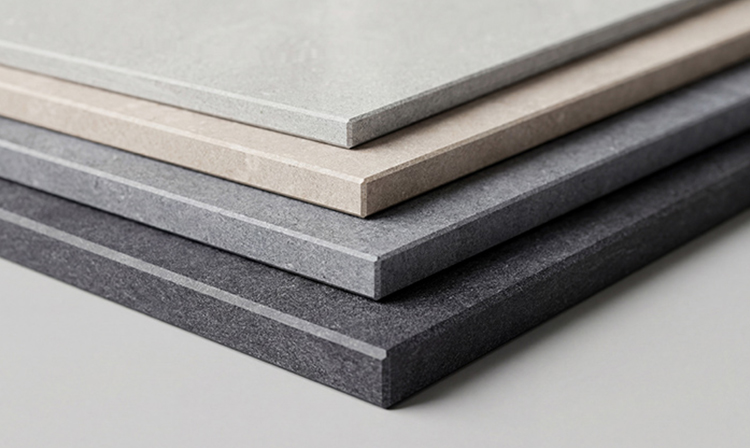
The practical problem is not that one tile is universally better. It is that wall and floor surfaces experience different loads, moisture conditions, cleaning chemicals, and safety risks. A lightweight decorative tile may perform well on a vertical backsplash but crack under a chair leg or become slippery when wet on a floor.
Wall tiles are generally designed for vertical installation, where gravity is the main installation challenge. Floor tiles must tolerate impact, abrasion, point loading, furniture movement, and sometimes water contamination. However, the terms “wall tile” and “floor tile” are not perfectly standardized worldwide. A product’s technical datasheet, intended-use classification, and test results are more reliable than the label on the carton.
| Parameter | Typical Wall Tile | Typical Floor Tile | Why It Matters |
|---|---|---|---|
| Primary installation | Walls, backsplashes, shower walls | Floors, entryways, patios, commercial areas | Floor products must withstand repeated mechanical loading. |
| Typical thickness | Approximately 6–9 mm, depending on format | Approximately 8–12 mm, with large variation | Thickness alone does not prove suitability; strength testing is essential. |
| Water absorption | Can range from relatively high to low | Often lower, especially in porcelain products | Lower absorption reduces moisture penetration and freeze-thaw risk. |
| Surface finish | Gloss, satin, decorative relief, polished | Matte, textured, structured, polished, or anti-slip | Polished floors can become hazardous when wet. |
| Wear resistance | Often not rated for substantial foot traffic | Commonly specified by PEI or equivalent wear classification | High-traffic floors need a surface designed for abrasion. |
| Weight | Often lighter and easier to handle vertically | Often heavier and more structurally robust | Light wall tile reduces installation stress; heavy tile needs suitable substrate and adhesive. |
| Slip performance | Usually not the main design requirement | DCOF, ramp, or manufacturer-specific slip data may be relevant | Wet bathroom and outdoor floors require measured traction, not visual assumptions. |
| Installation adhesive | Often suitable for standard thin-set applications | May require polymer-modified mortar, back-buttering, or special large-format coverage | Correct coverage reduces voids and point-breakage risk. |
In most cases, ordinary wall tile should not be installed on a floor simply because the color or pattern matches. Wall tile may have insufficient breaking strength, a glossy surface with poor wet traction, or no abrasion classification. A cracked tile can also allow water to reach the substrate and create a larger repair problem.
There are exceptions. Some wall-design products are also rated for floors, and some thin porcelain panels are specifically engineered for floors when installed over a compliant substrate. Always confirm these points in writing:
Floor tile can often be installed on a wall, but its greater weight and format may create additional engineering and installation requirements. Large-format porcelain tile may need a flatter substrate, mechanical support during curing, back-buttering, and a mortar system approved for the tile’s size and weight. On a shower wall, the waterproofing membrane remains essential; tile and grout are not a substitute for a properly sealed wet-area system.
For a wall installation, confirm the substrate’s load capacity, adhesive manufacturer’s weight limit, tile warpage tolerance, and required coverage. The Tile Council of North America commonly recommends high mortar coverage in wet areas, with the exact target depending on the application and local code.
Shower walls: Ceramic wall tile can be a cost-effective option if it is approved for wet walls and installed over a waterproof membrane. Porcelain is useful where low absorption, dense color, or large-format continuity is desired.
Shower floors: Select a floor-rated tile with tested wet traction. Small mosaics, such as 50 × 50 mm or 100 × 100 mm formats, create more grout joints and can follow the slope to the drain more easily. A highly polished 600 × 1200 mm tile may look elegant but can be a poor choice for a frequently wet shower floor unless its slip performance is documented.
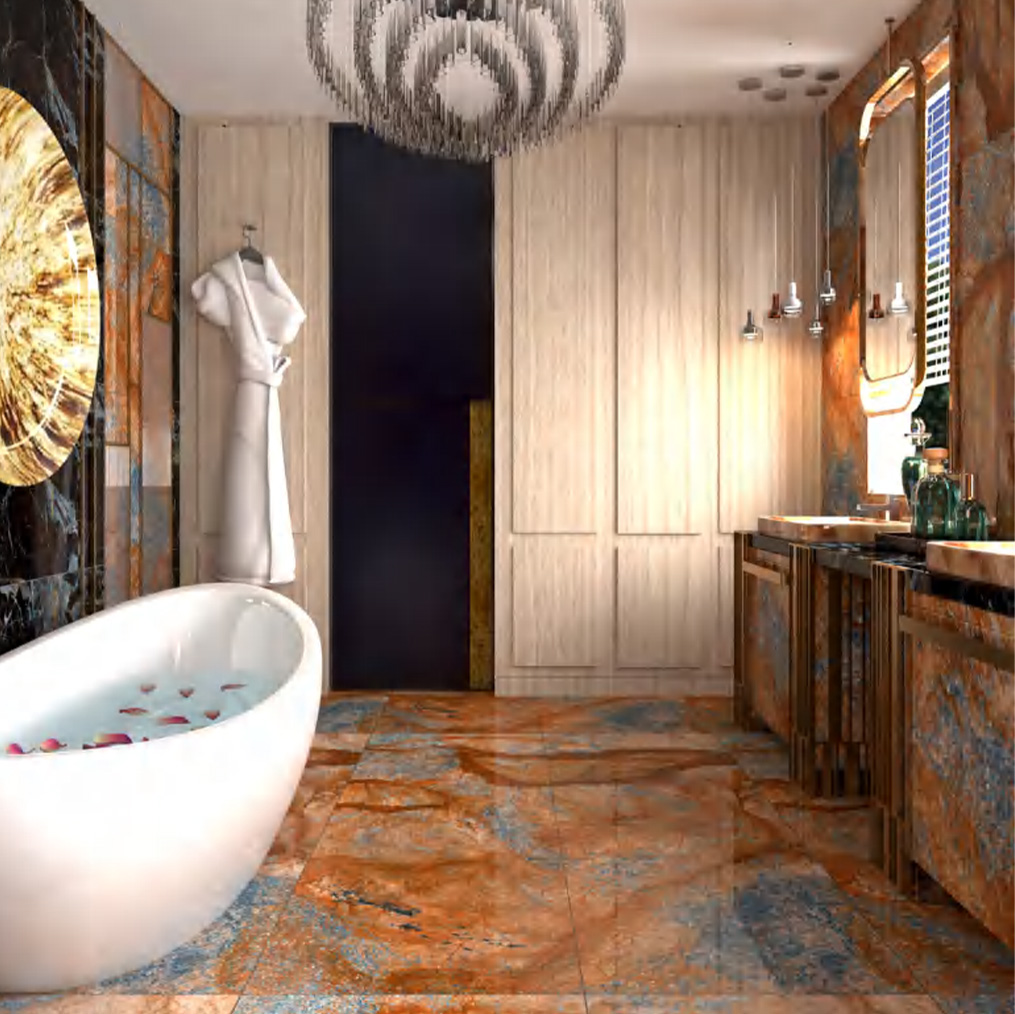
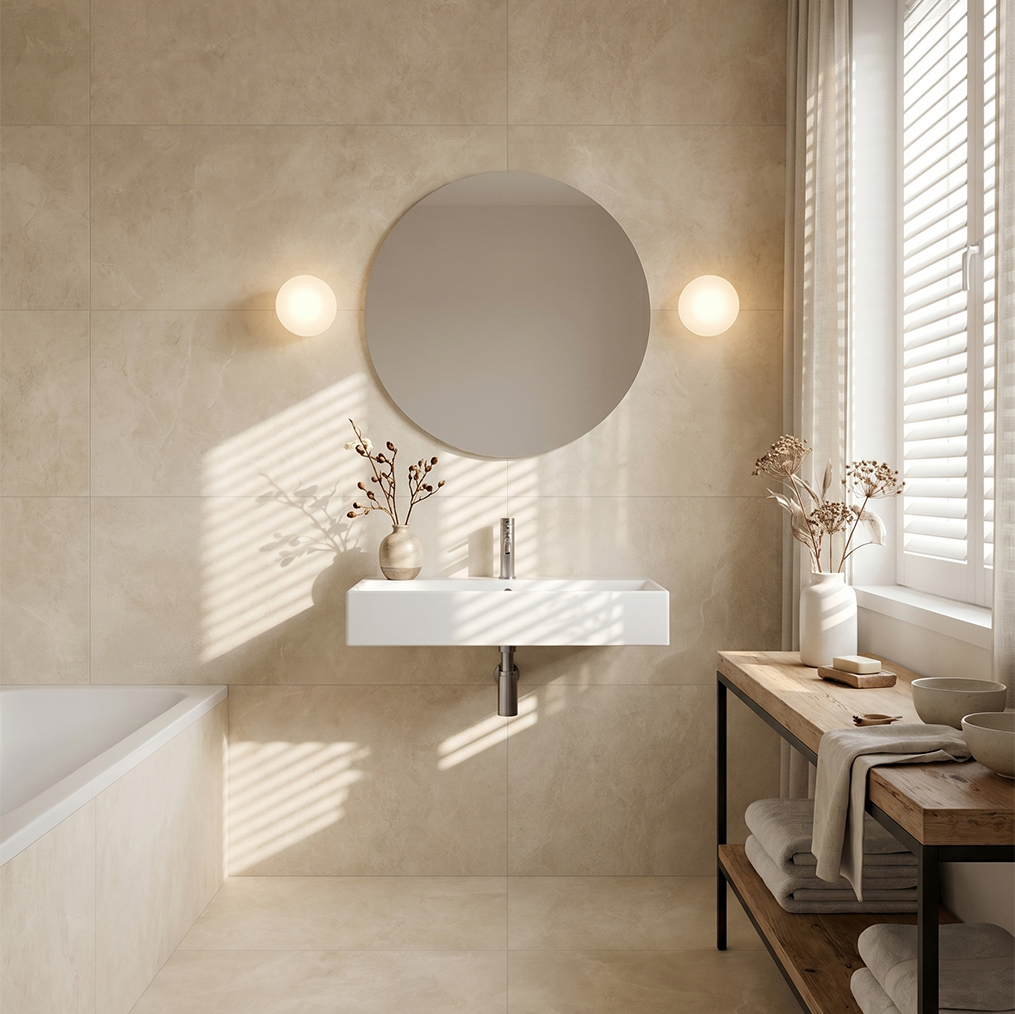
Bathroom floor outside the shower: A matte porcelain or ceramic floor tile with a suitable slip classification is usually more practical than a polished surface. Pay attention to bath mats, soap residue, and cleaning-product buildup because these can reduce real-world traction.
Kitchen floors experience dropped cookware, rolling loads, food oils, and frequent cleaning. A PEI III or higher glazed tile is commonly considered for normal residential use, while heavy-use kitchens may justify PEI IV or a through-body porcelain product. The exact rating should follow the manufacturer’s application guidance.
For laundry rooms, low water absorption is helpful, but drainage, floor-level transitions, and flexible perimeter joints are equally important. Rectified porcelain tile can create a clean visual grid, but it demands a flatter substrate and careful installation because narrow joints expose lippage more clearly.
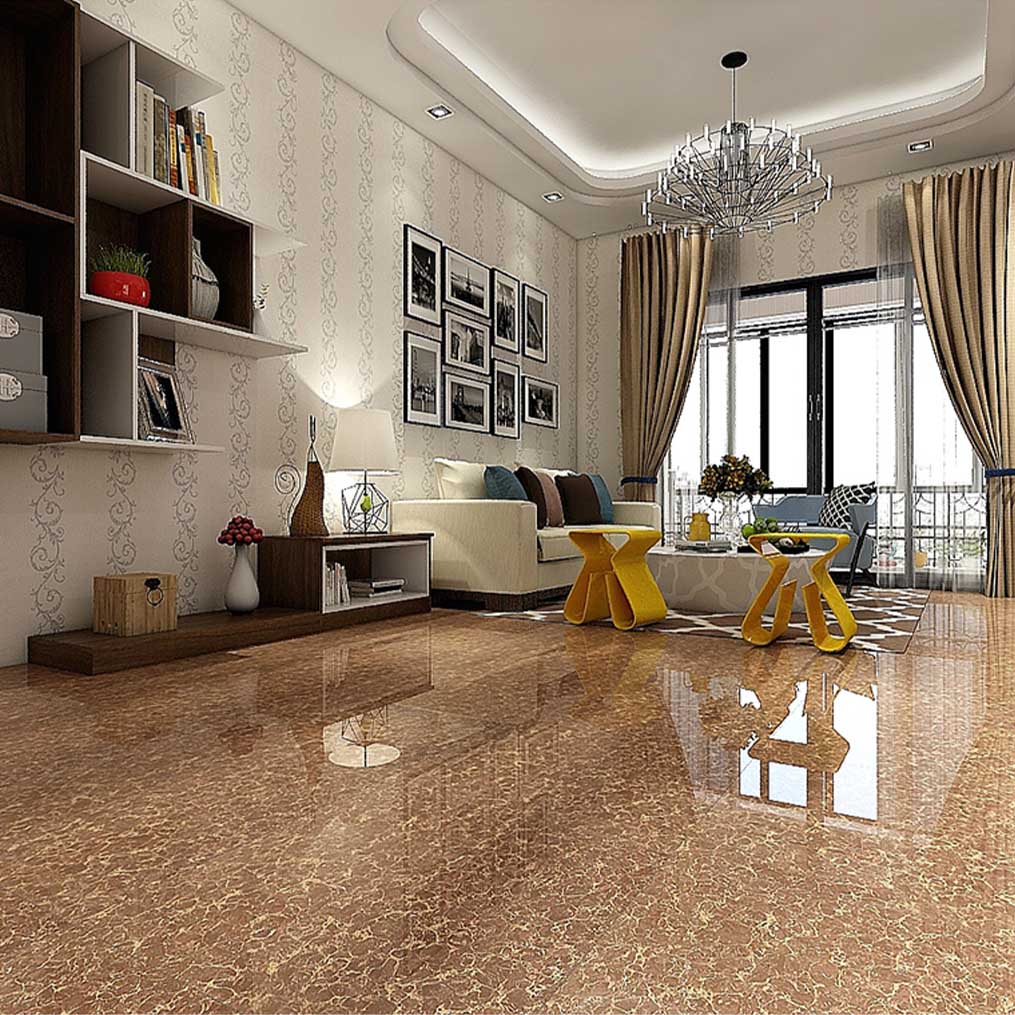
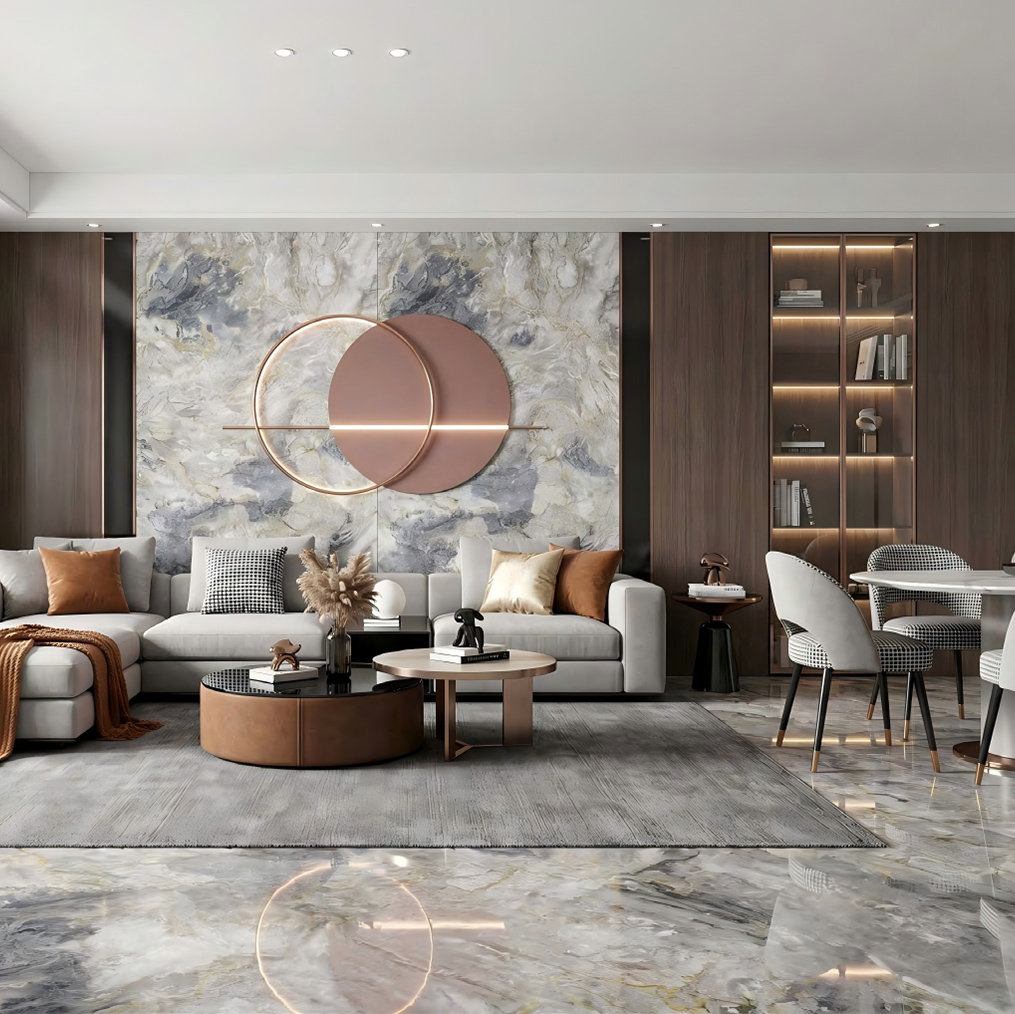
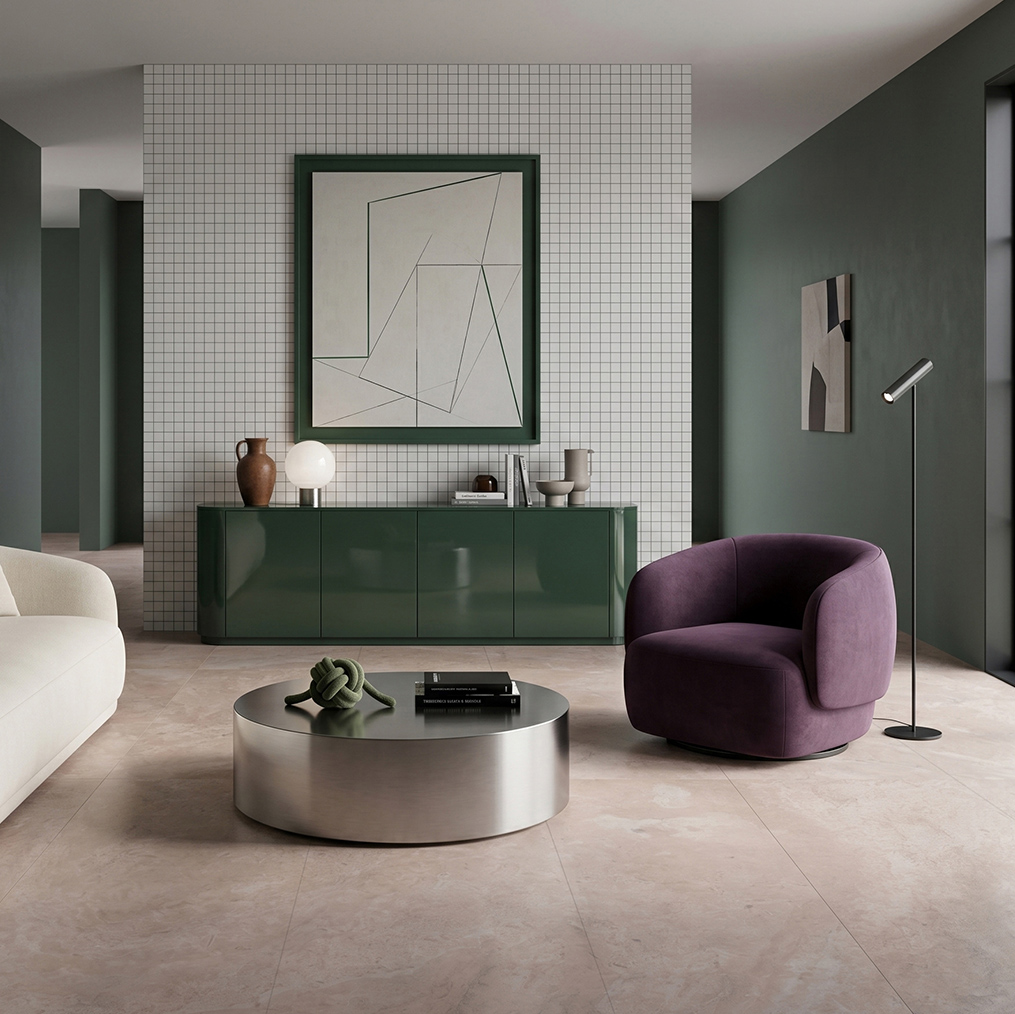
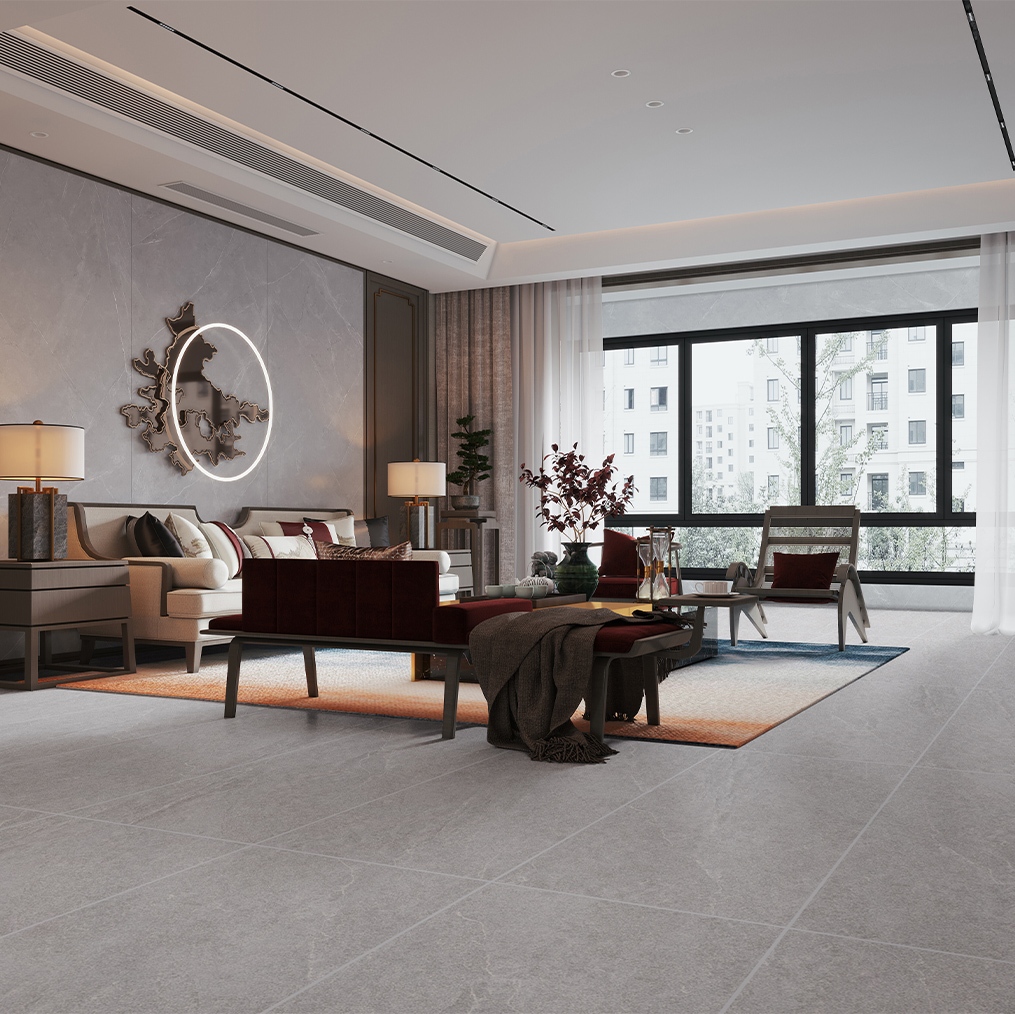
Living rooms can use ceramic or porcelain floor tile if the product is rated for the expected traffic. Porcelain is often selected for open-plan spaces because its dense body supports consistent performance across kitchens, halls, and living areas. In retail, hospitality, and office settings, specify wear resistance, stain resistance, chemical resistance, breaking strength, and maintenance requirements rather than selecting from residential samples alone.
Outdoor areas require additional checks, including freeze-thaw suitability, water absorption, drainage, surface texture, and installation method. An indoor wall tile should not be moved outdoors without written approval from the manufacturer.
| Cost Element | Wall Tile Budget Pattern | Floor Tile Budget Pattern | Cost Risk |
|---|---|---|---|
| Tile purchase | Often lower for basic ceramic formats | Often higher for porcelain, anti-slip, or heavy-duty products | Special finishes and large formats can increase material cost by 20%–80% compared with basic stock products, depending on market. |
| Waste allowance | Usually 10%–15% | Usually 10%–15%; more for diagonal layouts or complex rooms | Insufficient spare tiles can make future color matching difficult. |
| Substrate preparation | Moderate unless the wall is uneven | Often higher because floors need flatness and structural stability | Large-format tile can require additional leveling work. |
| Adhesive and grout | Standard thin-set may be adequate for approved products | May require higher-performance mortar and specific grout | Incorrect adhesive can lead to hollow spots, debonding, or cracking. |
| Labor | Pattern, niches, and trim increase labor | Leveling, cuts, drainage slopes, and layout increase labor | Installation commonly represents a substantial portion of the total project cost. |
Material price should not be evaluated separately from lifecycle cost. A tile that costs $3 more per square foot but lasts through a 15-year renovation cycle may be more economical than a cheaper product that requires replacement after cracking or glaze wear. Ask the supplier for carton coverage, caliber, shade variation, recommended waste percentage, maintenance chemicals, and replacement availability.
One homeowner, identified here as Maria at her request, initially selected a glossy 300 × 600 mm ceramic tile for both the shower walls and floor because the matching set reduced the visual cost. During the installer’s technical review, the floor version was found to have no documented wet slip-resistance result and was not approved for shower-floor use. The plan changed to the matching wall tile on the vertical surfaces and a 100 × 100 mm matte porcelain mosaic on the floor.
The final design used approximately 11% more tile material than the original estimate because of mosaic waste and layout cuts. However, the installer reported that the smaller format made the 1:100 shower slope easier to form around the drain, and the homeowner avoided a later replacement caused by slipping concerns and poor drainage. The case demonstrates an important point: visual coordination is useful, but performance classification must control the floor decision.
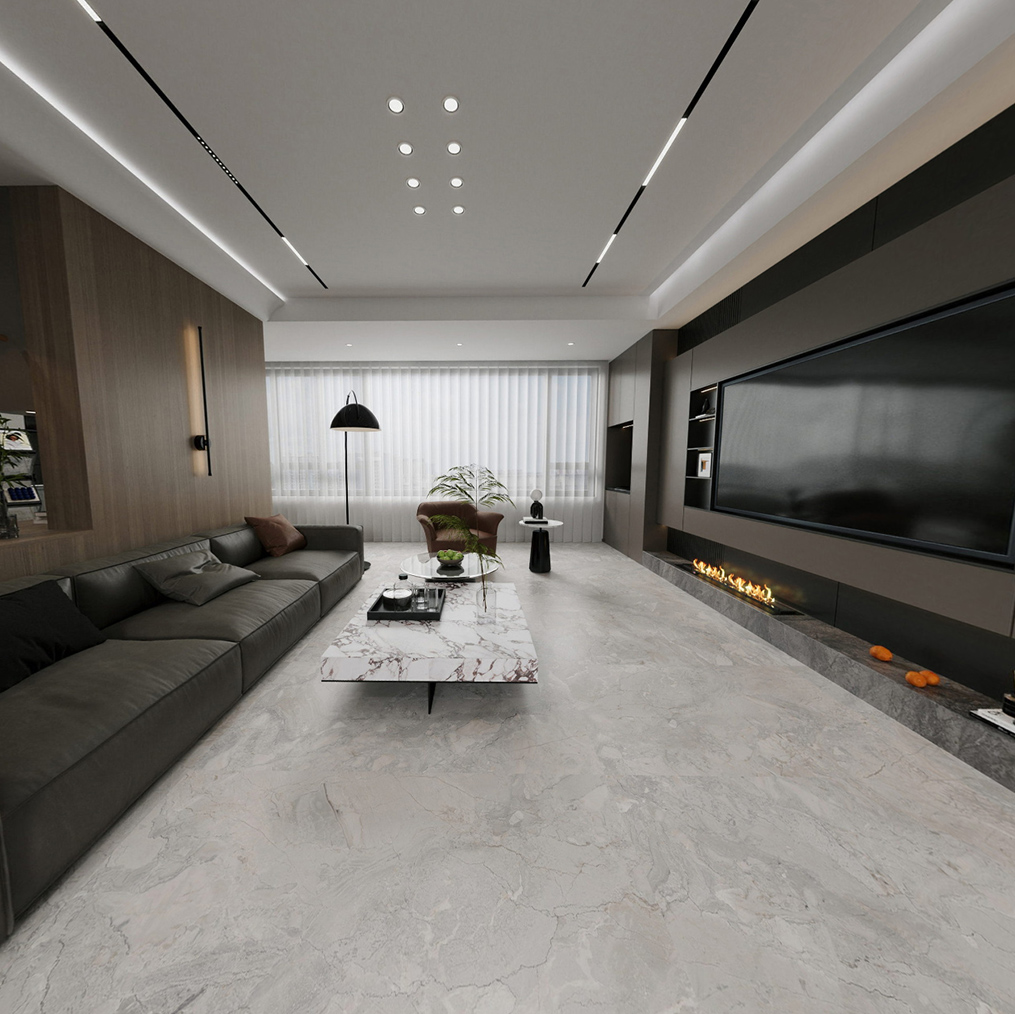
In a second residential project, a customer selected a 750 × 1500 mm polished porcelain tile for a family-room floor. The tile had low water absorption, but the polished finish reflected light and showed footprints. The owner later changed the cleaning routine from a strong alkaline product to a pH-neutral cleaner and placed textured mats at exterior entrances. The tile itself was not defective; the mismatch was between surface finish, traffic pattern, and maintenance expectations.
These cases should not be treated as laboratory proof or a guarantee of future performance. They are practical examples of why product data, installation conditions, and household behavior must be reviewed together.
| Rank | Product Choice | Best For | Main Strength | Main Limitation |
|---|---|---|---|---|
| 1 | Matte porcelain floor tile | Bathrooms, kitchens, entryways, high-use residential floors | Typically low absorption and strong application flexibility | Often costs more and may require harder cutting tools |
| 2 | Textured porcelain mosaic | Shower floors and sloped wet areas | More grout joints and easier slope adaptation | More grout to clean and more visible installation lines |
| 3 | Quality ceramic wall tile | Backsplashes, shower walls, accent walls, low-impact vertical surfaces | Lower weight, broad design choice, and often lower cost | Not automatically suitable for floors or freeze-thaw exposure |
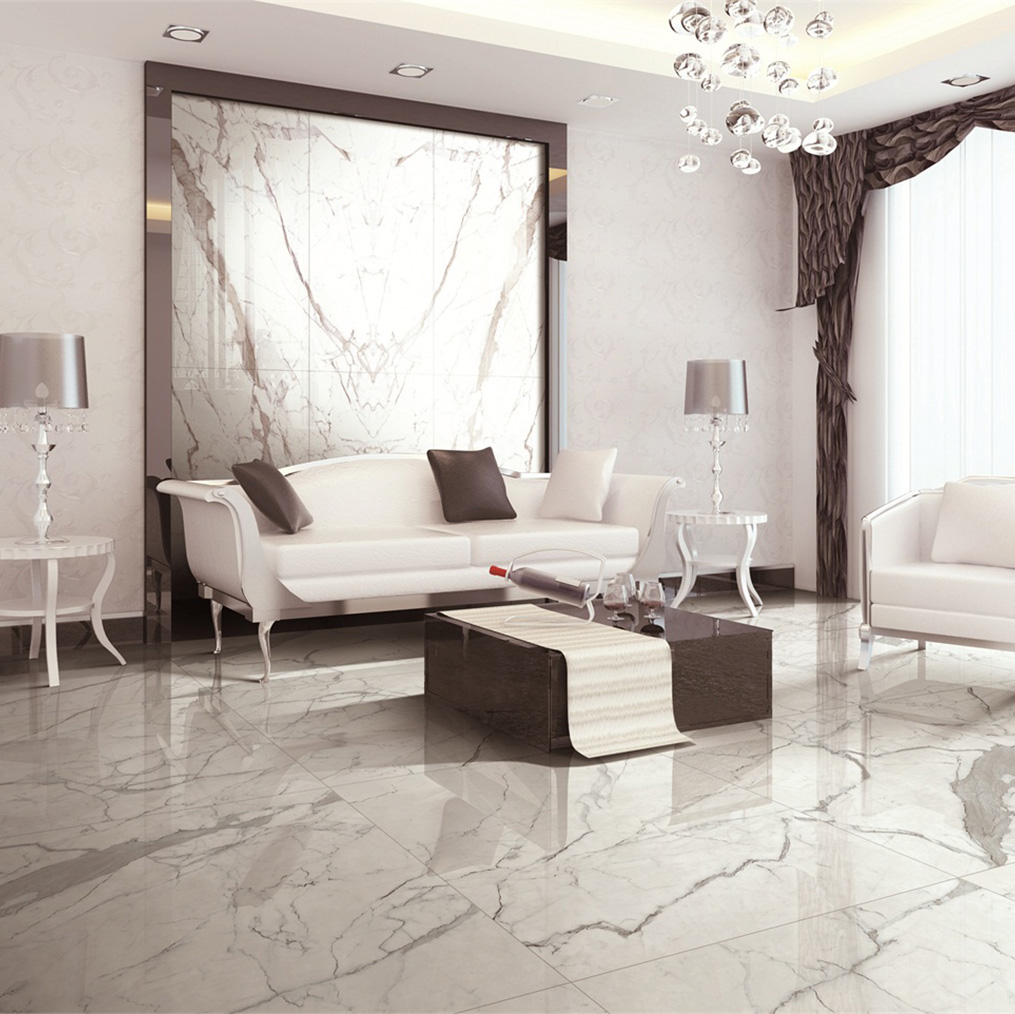
| 4 | Polished porcelain floor tile | Dry interior spaces where appearance is the priority | Dense body and high-end visual continuity | May show footprints and provide less wet traction |
| 5 | Decorative wall-only tile | Feature walls, backsplashes, niches, and low-impact vertical design | Strong visual character and lightweight installation | Usually unsuitable for floors unless explicitly rated |
JBN can be considered when a buyer needs coordinated wall and floor collections, project-based quantity planning, private-label support, or OEM development. The practical advantage is not a blanket claim that every JBN product is superior; the important question is whether the specific product line provides verifiable technical information for its intended installation.
When comparing JBN with another manufacturer, request the same information from both sides:
A responsible OEM Tile Supplier should explain where a product cannot be used. That limitation is more valuable than a sales promise that ignores wet traction, load, or substrate conditions.
Choose wall tile when:
Choose floor tile when:
Do not choose solely by appearance when:
Wall tile is usually the efficient choice for vertical decorative surfaces, while floor tile is engineered for mechanical stress, abrasion, and safer underfoot performance. Porcelain is not automatically the best answer, and ceramic is not automatically inferior; the correct product depends on absorption, strength, wear classification, slip resistance, format, substrate, and maintenance. For the best tile for shower walls and floors, compare wall tile vs. floor tile for bathroom applications and verify how to choose tile for a kitchen floor using porcelain tile, ceramic tile, water absorption, PEI rating, DCOF, and ASTM C373 data.
Before ordering, send your room dimensions, installation location, preferred format, estimated quantity, and traffic conditions to JBN or another qualified OEM Tile Supplier. Ask for the complete technical datasheet and a physical sample, then have the installer confirm substrate and adhesive compatibility. This process turns a visual tile choice into a documented performance decision.
Yes, but only when the product is explicitly rated for both applications. A coordinated collection may include a wall version and a separate floor version with different body density, thickness, texture, or slip performance.
Porcelain generally has lower water absorption and a denser fired body, but strength depends on thickness, manufacturing quality, format, and installation. Do not use the word “porcelain” as a substitute for a complete breaking-strength or application review.
Many ceramic tiles are suitable for shower walls when the manufacturer approves wet-area use and the substrate is properly waterproofed. Ceramic wall tile is not automatically suitable for a shower floor.
PEI III is commonly considered for normal residential floor traffic, while PEI IV may be preferred for heavier residential or light commercial use. Confirm the manufacturer’s classification because PEI applies primarily to glazed surface wear and does not measure every performance characteristic.
It may be acceptable in a dry bathroom area if tested and approved, but polished surfaces can provide reduced traction when wet. For shower floors, prioritize documented wet slip performance and a format that can accommodate drainage slopes.
For a straightforward straight-lay installation, 10% is a common starting allowance. Use 15% or more for diagonal layouts, herringbone patterns, many corners, large-format cuts, or products with strong shade variation. Keep additional matching tiles for future repairs.
Ask for water absorption, breaking strength, wear classification, slip-resistance results, frost resistance if relevant, shade and caliber information, recommended installation materials, minimum order quantity, lead time, and replacement-stock policy.
Feel free to reach out for any queries. We would be happy to help!
We look forward to working with you.
Navigation
Navigation
Contact Us
Telephone: 0086-757-83327093
E-mail: jbn002@jbnjbn.com
WhatsApp: +86 136 9028 1303
WeChat: +86 136 9028 1303
Address:Building 4, Area B, Ceramics International Trading Center, Jihua Xi Road, Foshan, Guangdong, China
Get in Touch
Get in Touch