17,Aug 2026
Rustic tiles bring the texture and color variation of natural materials into modern homes and commercial spaces. A reliable Porcelain and Ceramic Tile Supplier can produce rustic surfaces for kitchens, bathrooms, patios, restaurants, and hotels while keeping size and quality consistent. This guide explains how rustic porcelain tiles are made, where they work best, how to choose the right finish, and what to check before placing an order. It also covers rustic porcelain floor tiles for kitchens, including performance, maintenance, and installation requirements.
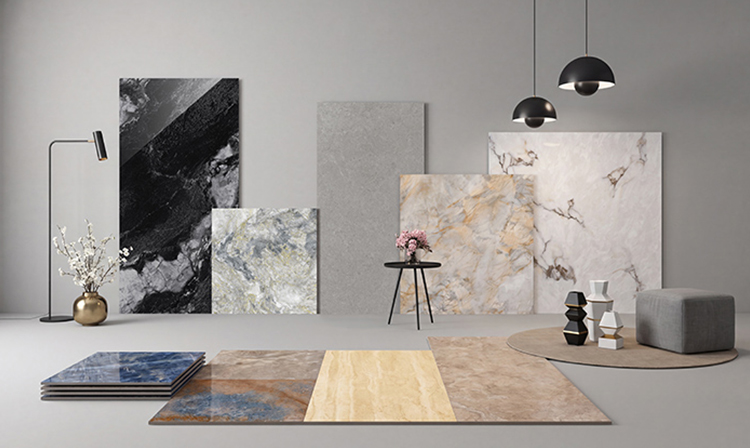
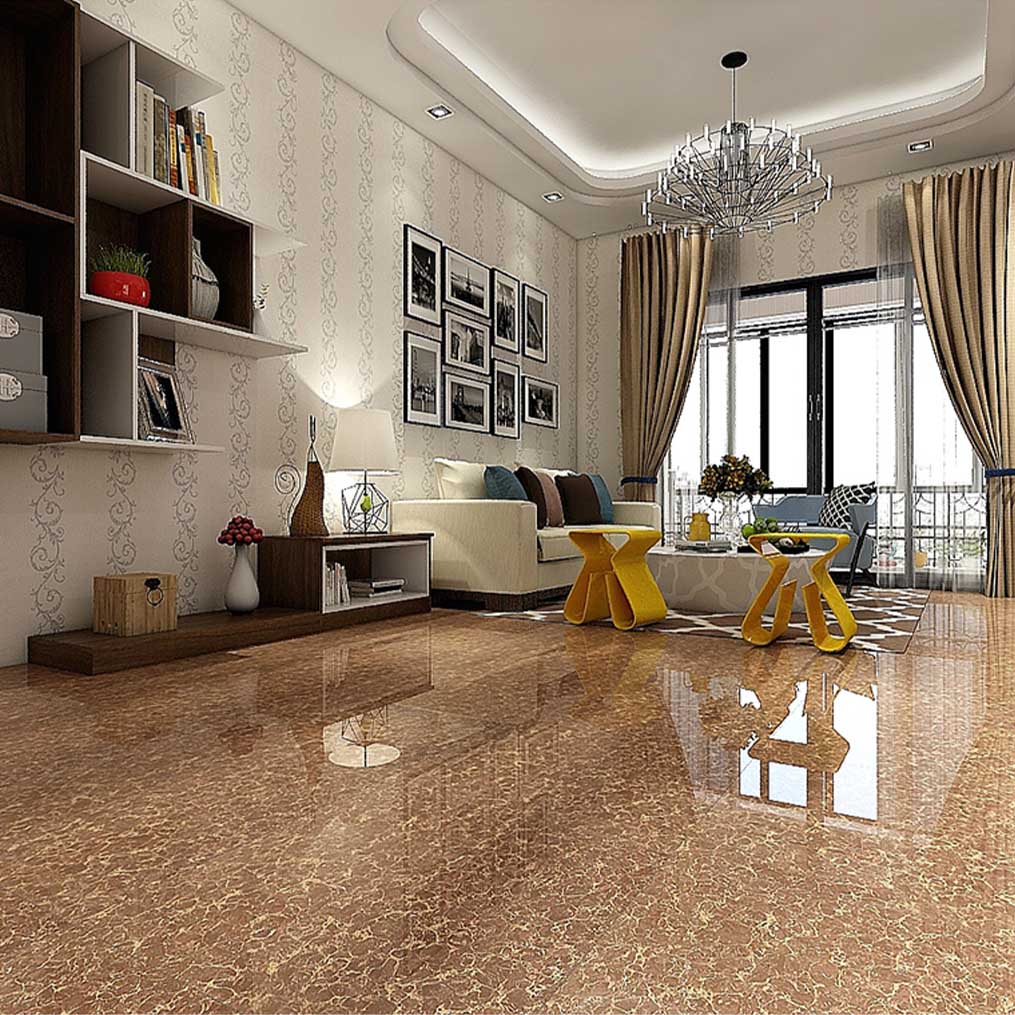
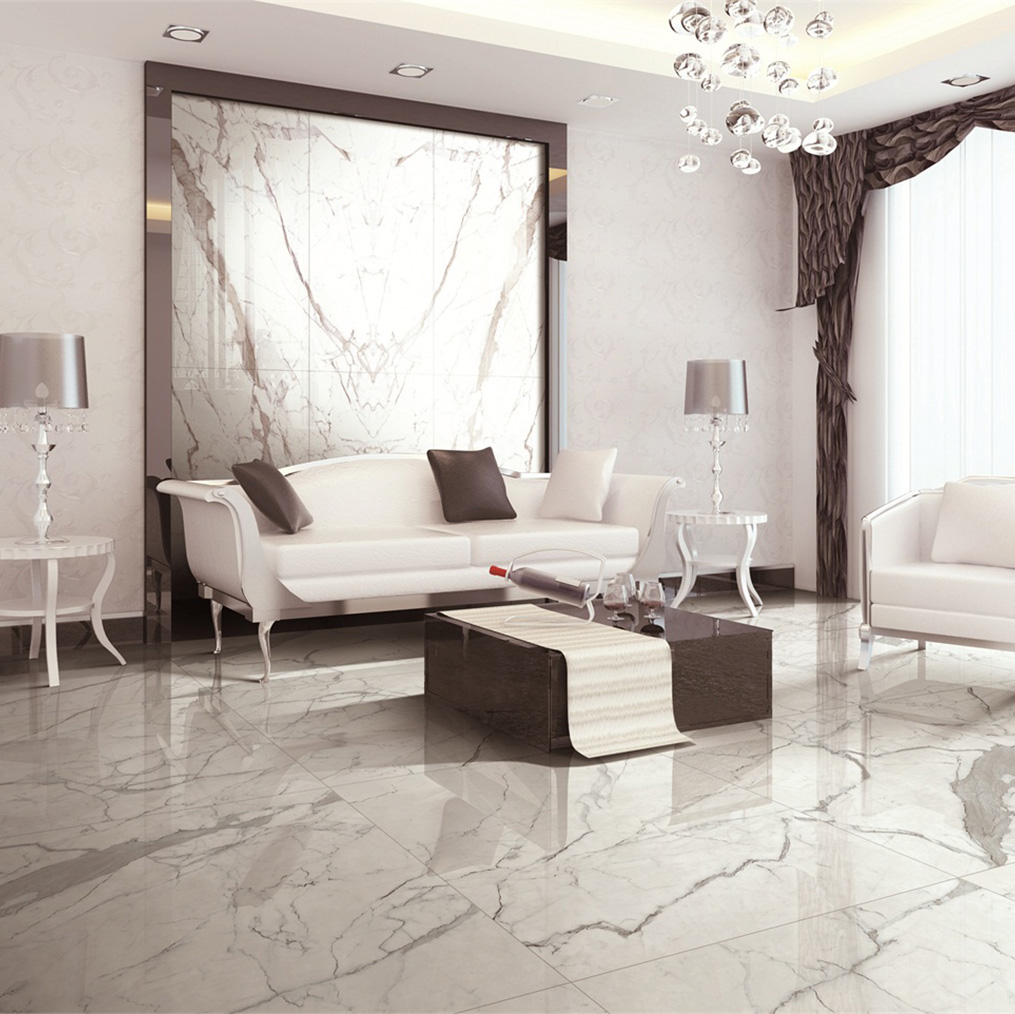
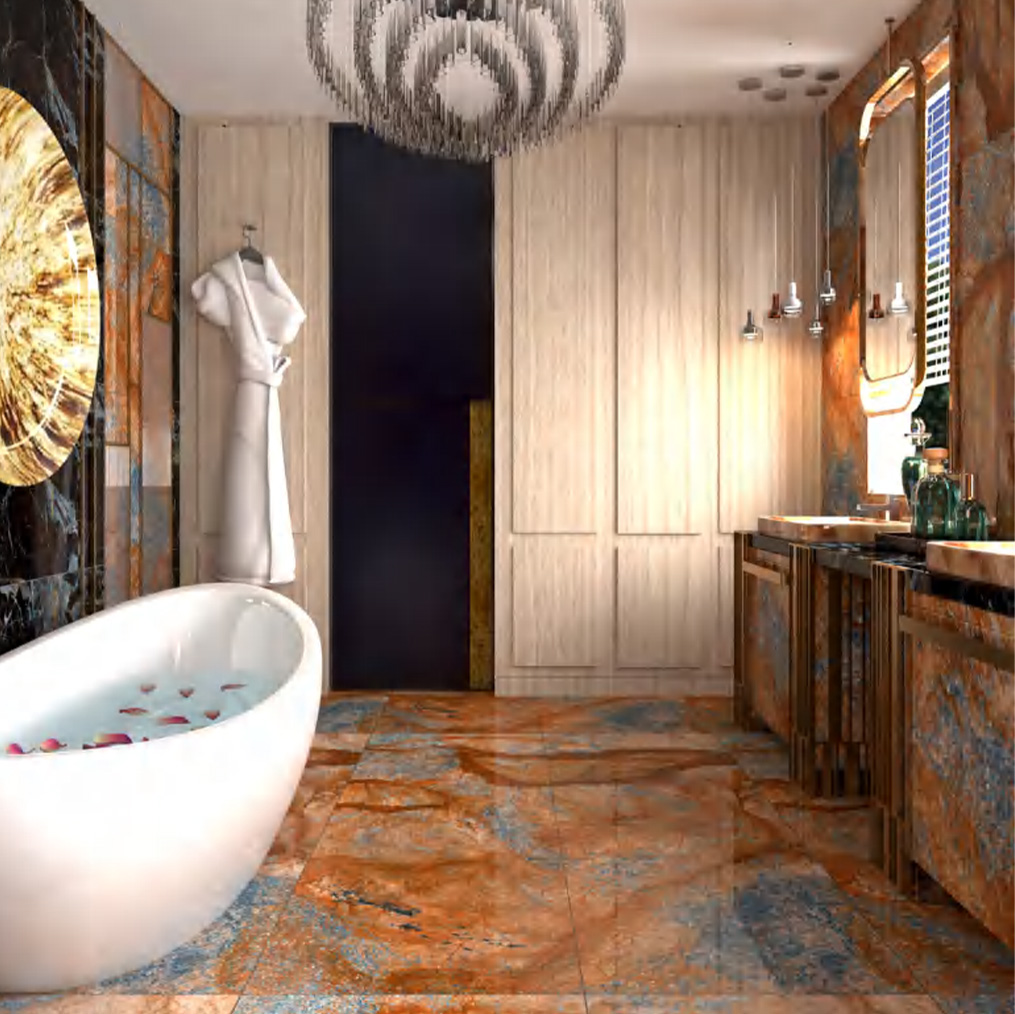
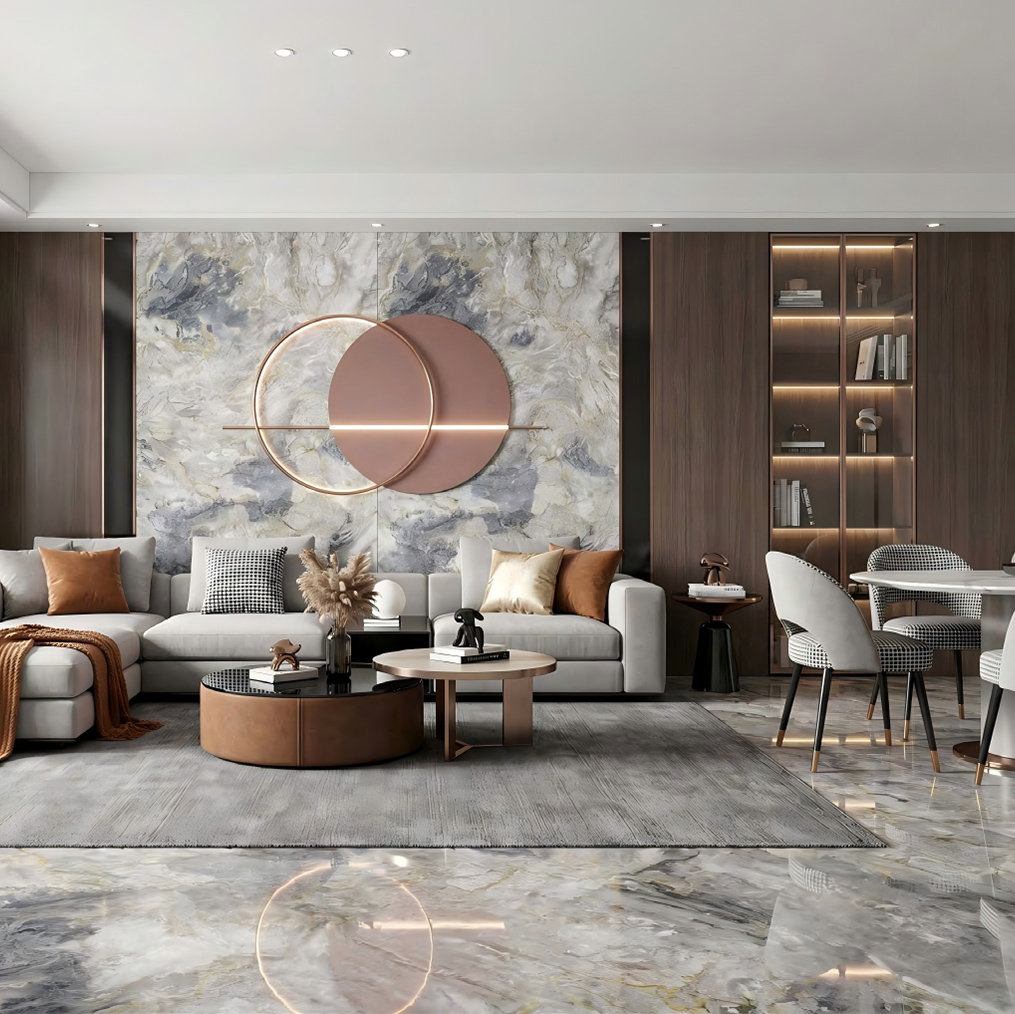
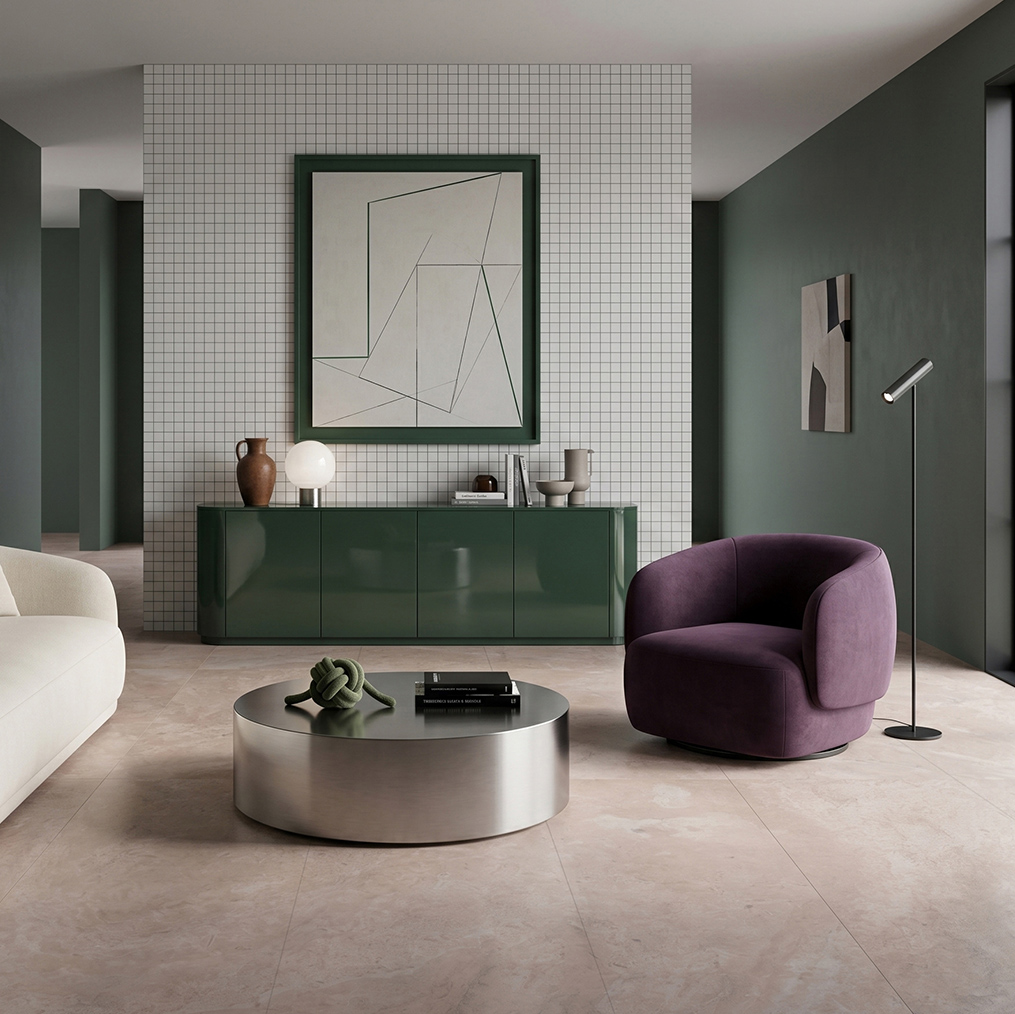
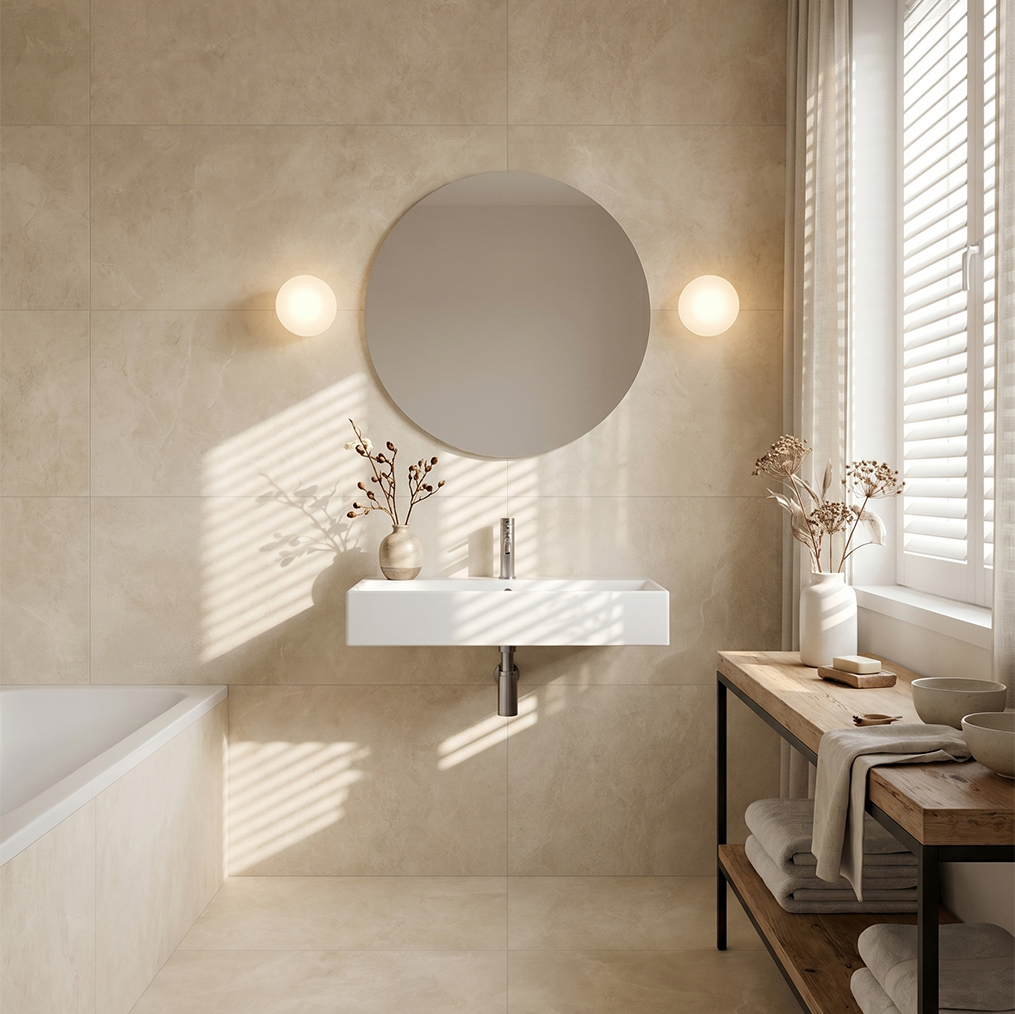
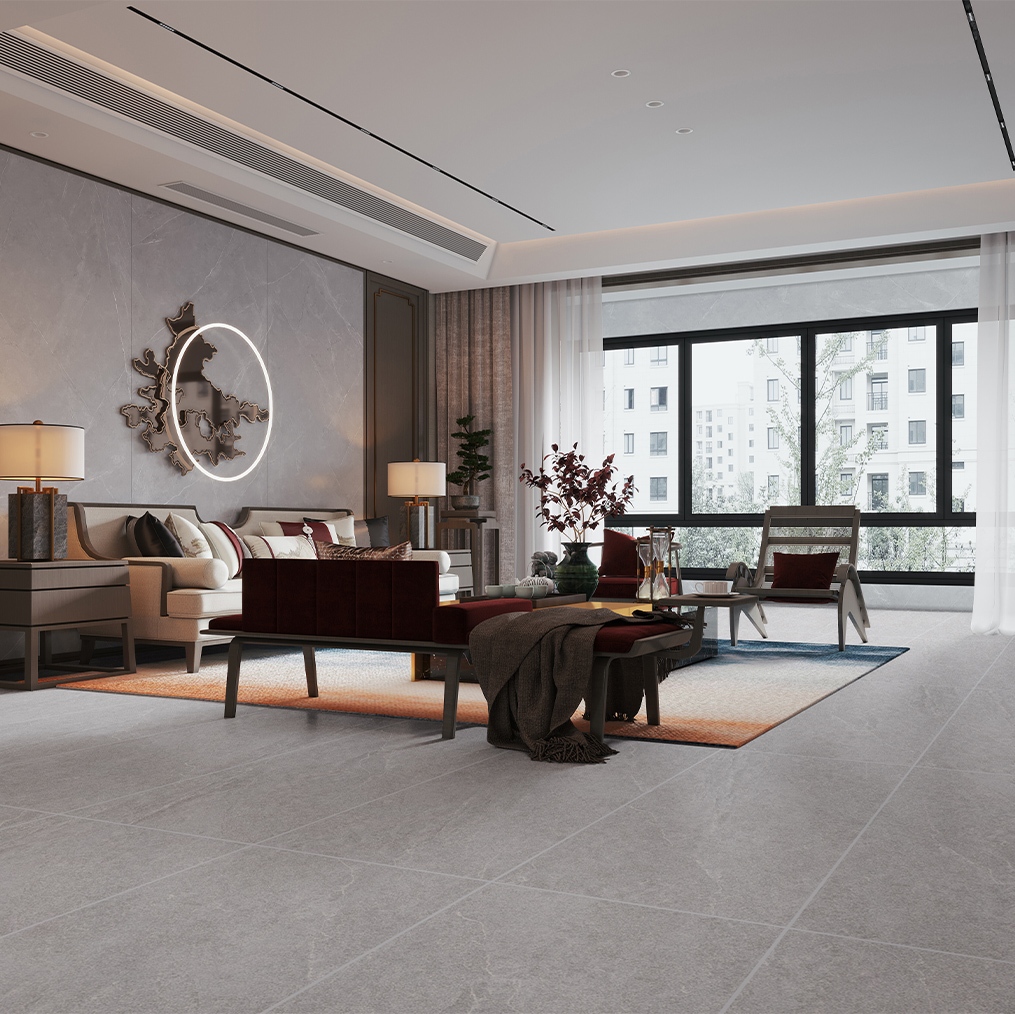
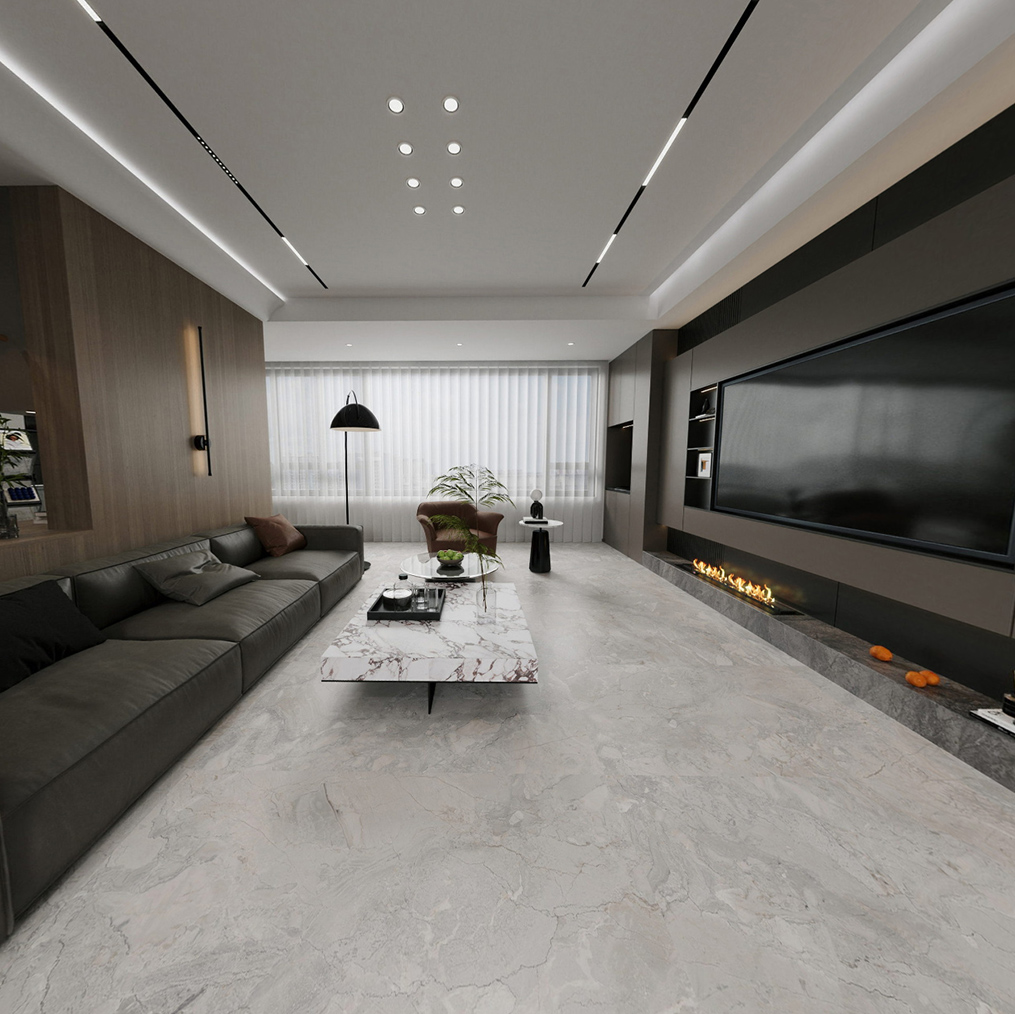
Image: Rustic tile textures can imitate stone, aged terracotta, concrete, or handmade ceramic surfaces.
Rustic tiles are ceramic or porcelain tiles designed to show a natural, aged, or handcrafted appearance. Their surface may include:
The word “rustic” describes the visual style, not a separate technical tile category. A rustic tile can be made from either ceramic or porcelain. The technical performance depends on the body composition, firing temperature, water absorption, surface finish, thickness, and manufacturing standard.
Ceramic tiles are generally made from clay and other minerals, then fired in a kiln. They are suitable for many interior walls and light- to medium-duty floors.
Porcelain is a denser type of ceramic tile. Under the ASTM C373 test method, porcelain tile is commonly defined by water absorption of 0.5% or less. Its low absorption makes it useful for wet rooms, heavy-use floors, and some exterior applications when the full product specification supports that use.
However, low water absorption does not automatically mean that every porcelain tile is suitable for freezing weather, driveways, or wet commercial floors. The tile’s slip rating, thickness, installation method, and local climate must also be checked.
A rustic tile normally passes through several production stages.
The factory blends clay, feldspar, quartz, pigments, and other minerals. The recipe affects:
Porcelain products usually use a more refined body and controlled production process than basic ceramic wall tiles.
The prepared powder is pressed into tile shapes using a hydraulic press. Higher forming pressure helps create a stable body with fewer internal gaps.
Modern tile factories use digital inkjet printing to apply stone, wood, cement, or terracotta designs. This allows several visual patterns to be printed across one product series instead of repeating the same image on every tile.
The surface may be polished, matte, structured, brushed, or textured. For rustic flooring, a matte or lightly structured surface is often selected because it reduces glare and creates a more natural appearance.
Tiles are fired at high temperatures to harden the body and bond the minerals. The final firing cycle affects size, flatness, color, and strength.
A professional factory should inspect shade, caliber, flatness, surface defects, water absorption, and packaging quality. Buyers should request inspection records and a production sample before approving a large order.
Rustic tiles are available in several visual and technical styles.
These tiles imitate slate, limestone, travertine, or fieldstone. They are often used in:
Unlike natural stone, porcelain stone-look tiles do not require sealing in the same way many porous stones do. Still, grout joints and textured surfaces require regular cleaning.
Terracotta-look porcelain tiles copy the warm orange, brown, and red tones of traditional clay tiles. They suit:
They provide a traditional appearance while offering more consistent dimensions and easier batch replacement than handmade terracotta.
Concrete-look tiles combine an industrial appearance with rustic color variation. They are popular in:
Large-format concrete-look tiles can reduce the number of grout lines, but the floor must be flat and the installer must follow the manufacturer’s lippage guidelines.
Wood-look porcelain tiles use printed grain patterns and textured surfaces to imitate aged planks. They can be used in living spaces, bathrooms, and some covered outdoor areas. Unlike natural wood, porcelain does not swell from normal indoor moisture exposure, but movement joints and correct installation are still required.
The best application depends on the tile’s technical data sheet, not only its appearance.
Rustic porcelain flooring works well in kitchens because porcelain has low water absorption and resists many common household stains. Choose a surface that balances slip resistance with easy cleaning. Deep textures may improve traction but can hold grease and food particles.
For a kitchen floor, check:
Rustic tiles can create a natural bathroom design. Use smaller formats or mosaic sheets for shower floors when they help create the required slope and more grout contact. A smooth polished surface may become slippery when wet, so the product’s wet-area suitability should be confirmed.
Outdoor use requires more than a “porcelain” label. Ask whether the tile is rated for:
In freezing climates, water entering cracks or installation voids can expand and damage the tile. A qualified installer should follow local building requirements and the tile manufacturer’s outdoor instructions.
Commercial spaces need products designed for higher traffic and frequent cleaning. Rustic porcelain is often selected because it can deliver natural visual variation without the maintenance of some natural materials.
For commercial projects, review:
Rustic tiles can make large spaces feel warmer and less formal. Concrete-look and stone-look designs are particularly useful in reception areas, showrooms, and hospitality interiors.
Rustic tiles solve a design and performance problem at the same time. Natural stone, handmade clay, and aged wood can provide attractive surfaces, but they may vary in size, require more maintenance, or cost more to replace.
Rustic porcelain can offer:
The exact result depends on the product. Buyers should never use a general benefit as a substitute for a technical data sheet.
A matte finish produces less reflection and usually looks natural in rustic interiors. It is suitable for many living rooms, bedrooms, and wall applications.
A structured finish adds physical texture. It may provide better grip, but it can also collect dirt. Use it where traction is important and confirm that the surface can be cleaned with the planned maintenance equipment.
A honed surface has a smoother appearance than a rough rustic finish but is less reflective than a polished surface. It can be a good choice for areas that need a refined natural look.
Polished rustic tiles create stronger color depth and reflect light. They are often better suited to dry interior walls or floors where wet slip risk is controlled.
Slip resistance should be assessed using the test method required in the target market. In the United States, the Tile Council of North America discusses the dynamic coefficient of friction, or DCOF, for certain tile applications. ANSI A326.3 is commonly referenced for evaluating tile surface friction.
A frequently used benchmark for level interior areas expected to be walked on when wet is 0.42 DCOF, but this value should not be treated as a universal rule for every location. Ramps, pool decks, industrial floors, barefoot areas, and exterior spaces may require different criteria.
Before purchase, ask the supplier for:
Do not judge safety by touching the sample with your hand. Human hand friction is not the same as footwear friction on a wet floor.
Working with an OEM Tile Supplier can help developers, importers, retailers, and design brands create a specific color, format, surface, or package. The supplier should be assessed through documentation and samples rather than catalog images alone.
Ask whether the supplier can produce:
A supplier that only trades products may not control the production schedule or technical changes.
The data sheet should list, where applicable:
The applicable standard depends on the destination market. In North America, buyers may review ASTM and ANSI requirements. In Europe and many other markets, EN standards may apply.
A small sample can look different from a mass-production batch because of kiln conditions, raw materials, ink density, and shade control. Request:
Rustic tiles often have textured edges or uneven visual effects that can make defects harder to notice. Strong cartons, corner protection, and stable pallet loading reduce breakage during transport.
Ask for the packing details:
For residential and commercial projects, replacement stock matters. Ask how long the supplier can keep the same design, shade, and caliber available. If long-term stock is not possible, order extra material during the original production run.
| Feature | Rustic Porcelain Tile | Natural Stone |
|---|---|---|
| Water absorption | Often 0.5% or less for porcelain | Varies by stone type |
| Pattern control | Digital designs can be repeated | Each slab or piece may vary naturally |
| Sealing | Often not required for the tile body | Some stones require periodic sealing |
| Size consistency | Factory-controlled tolerances | May vary by material and processing |
| Maintenance | Usually routine cleaning and grout care | May require special cleaners and sealing |
| Replacement | Easier when the series remains active | Matching a later stone batch can be difficult |
This comparison does not mean porcelain is always the better choice. Natural stone may be preferred for its genuine geological variation. Rustic porcelain is often chosen when buyers want a similar visual effect with more predictable technical performance.
Correct installation affects the final appearance and service life.
The base must be clean, stable, and within the flatness tolerance required for the tile format. Large tiles are less forgiving of uneven surfaces.
Dry-lay several pieces before fixing them. Rustic designs may include deliberate shade variation, so the installer should mix tiles from different cartons to create a balanced appearance.
Select an adhesive based on:
For large-format tiles, a suitable mortar and coverage method are especially important.
Movement joints help manage building movement and temperature changes. They should be placed according to the project design, substrate conditions, and local installation standards.
A grout color close to the tile can create a continuous appearance. A contrasting grout emphasizes the tile layout. In wet or heavily used areas, select a grout with the chemical and moisture resistance required for that space.
Remove mortar and grout residue according to the product instructions. Avoid strong acids unless the tile and grout manufacturers specifically permit them. Acidic products can damage cement grout, metal surfaces, or surrounding materials.
Most rustic porcelain floors can be maintained with a simple routine:
Textured tiles may need more frequent brushing than smooth tiles. The deeper the surface profile, the more likely it is to hold dirt.
A beautiful sample may not be suitable for a wet floor or outdoor project. Always check technical performance.
Rustic products often include intentional variation. Confirm the manufacturer’s shade classification and view several cartons before installation.
Future replacement may be difficult if the design is discontinued. Order an allowance for cuts, breakage, and future repairs.
Harsh chemicals can affect grout, metallic details, or surface treatments. Follow the care guide supplied by the manufacturer.
Exterior use requires frost, slip, installation, and climate checks. The word “porcelain” alone is not an outdoor approval.
JBN can be considered by buyers looking for rustic porcelain designs, custom tile development, and OEM production support. When contacting JBN, prepare the following project information:
Send reference images, floor plans, or physical samples when possible. A clear brief helps the supplier recommend a suitable body, finish, format, and packaging solution.
For buyers comparing an OEM rustic porcelain tile supplier, the best next step is to request a sample set, technical data sheet, test information, and a written quotation from JBN.
Some rustic tiles are made from ceramic or porcelain bodies and printed to imitate stone, clay, wood, or concrete. Others may use natural materials. Check the product specification to confirm the tile body.
Porcelain has low water absorption, but the complete floor system is not automatically waterproof. Waterproofing membranes, joints, grout, and installation details are also important in wet areas.
Some can, but the product must be rated for the intended outdoor conditions. Check frost resistance, wet slip performance, thickness, installation method, and local climate requirements.
Most porcelain rustic tiles are easy to maintain with neutral cleaner and water. Deep textures may need more brushing because dirt can settle in the surface profile.
They may be suitable when the product has appropriate wet slip performance and the format allows proper drainage. Smaller tiles can also provide more grout joints and help follow the shower slope.
The right size depends on the room, layout, drainage, and installation skill. Large formats create fewer grout lines, while smaller formats can work better on uneven surfaces or sloped areas.
The porcelain body usually does not require sealing, but some special surfaces, polished finishes, or cement-based grouts may have separate care requirements. Follow the manufacturer’s instructions.
Compare technical data, sample consistency, production capacity, quality control, packaging, lead time, replacement stock, and communication—not only the price per square meter.
Rustic tiles combine natural-looking design with the controlled production of modern ceramic manufacturing. Rustic porcelain flooring can be used in kitchens, bathrooms, hospitality spaces, retail stores, and selected outdoor areas when the product is matched to the application.
Before ordering, verify water absorption, slip-related test results, wear performance, shade variation, installation requirements, and maintenance instructions. Then request samples and technical documents from a qualified supplier. To explore slip-resistant rustic tiles for outdoor areas and other project options, contact JBN, review the user guide, and confirm the complete specification before approving production.
Feel free to reach out for any queries. We would be happy to help!
We look forward to working with you.
Navigation
Navigation
Contact Us
Telephone: 0086-757-83327093
E-mail: jbn002@jbnjbn.com
WhatsApp: +86 136 9028 1303
WeChat: +86 136 9028 1303
Address:Building 4, Area B, Ceramics International Trading Center, Jihua Xi Road, Foshan, Guangdong, China
Get in Touch
Get in Touch