16,Nov 2026
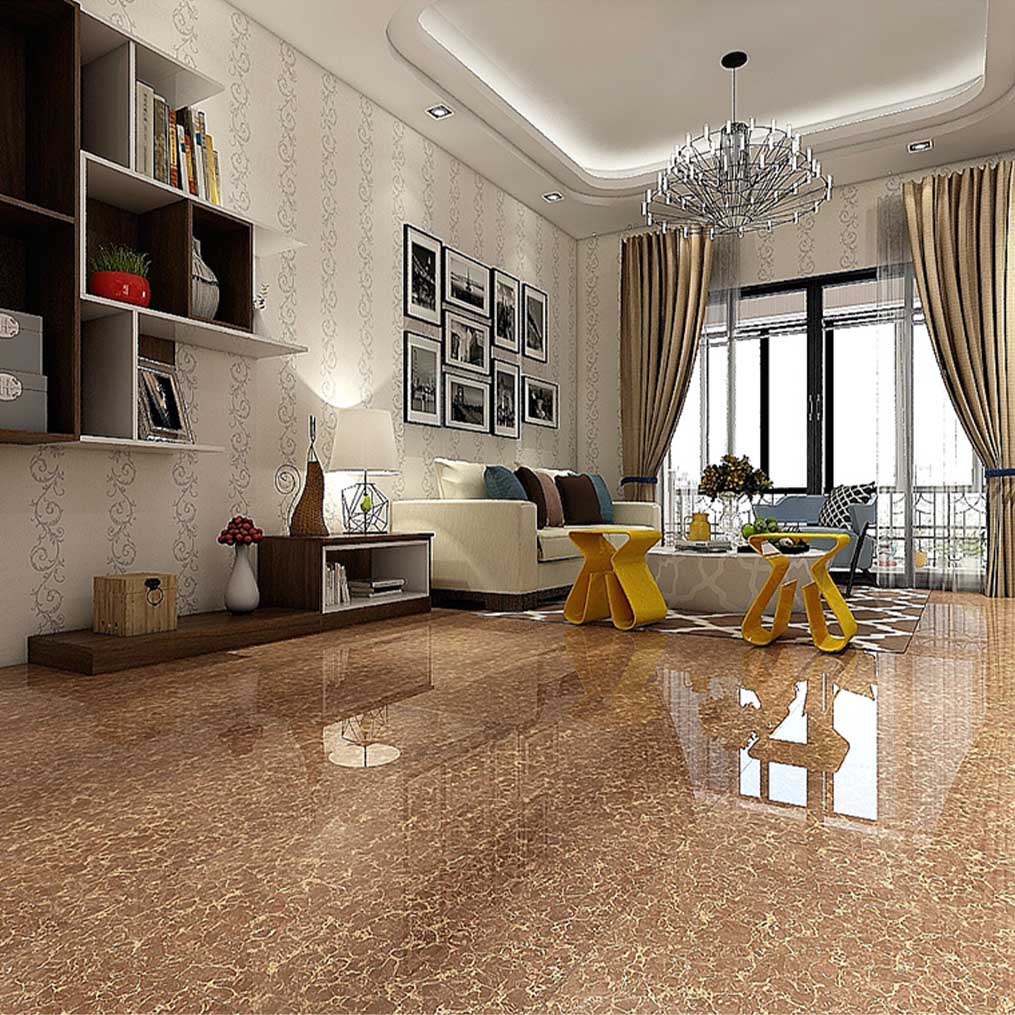
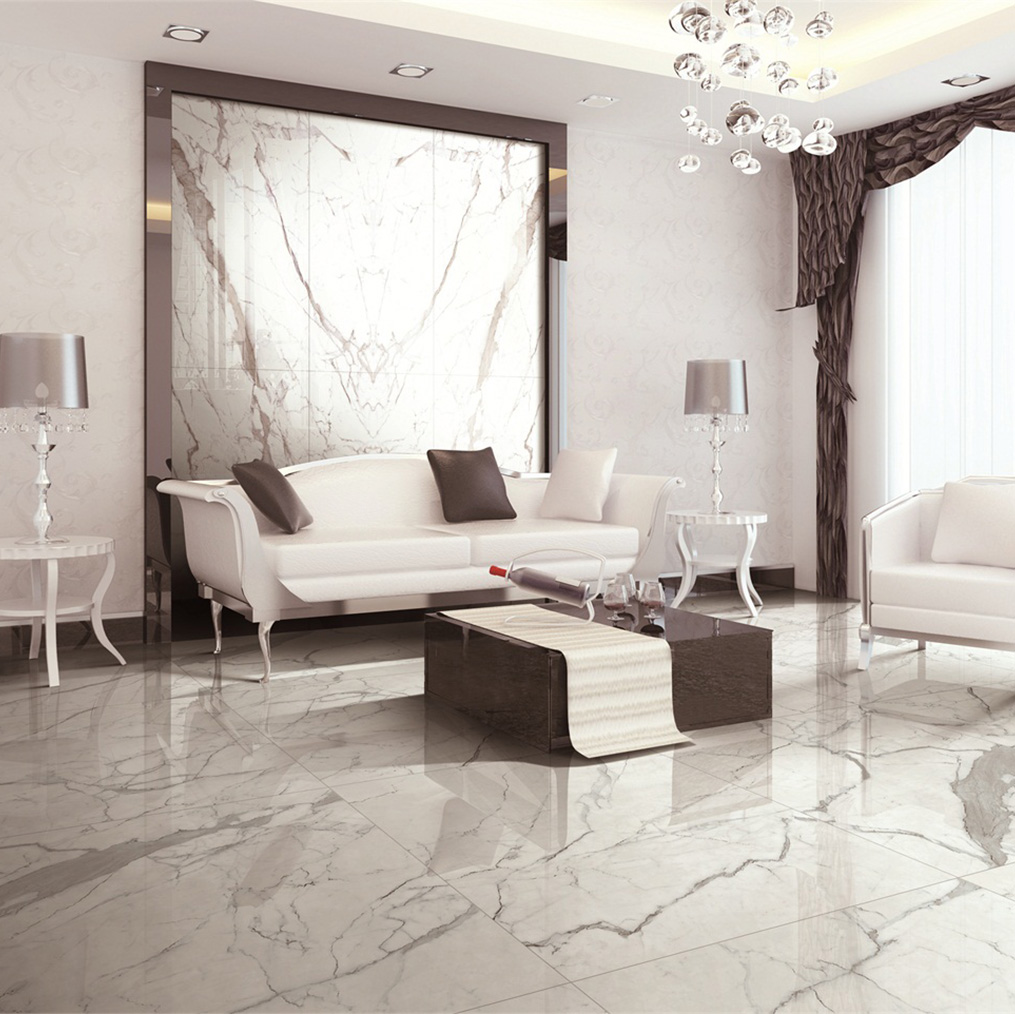
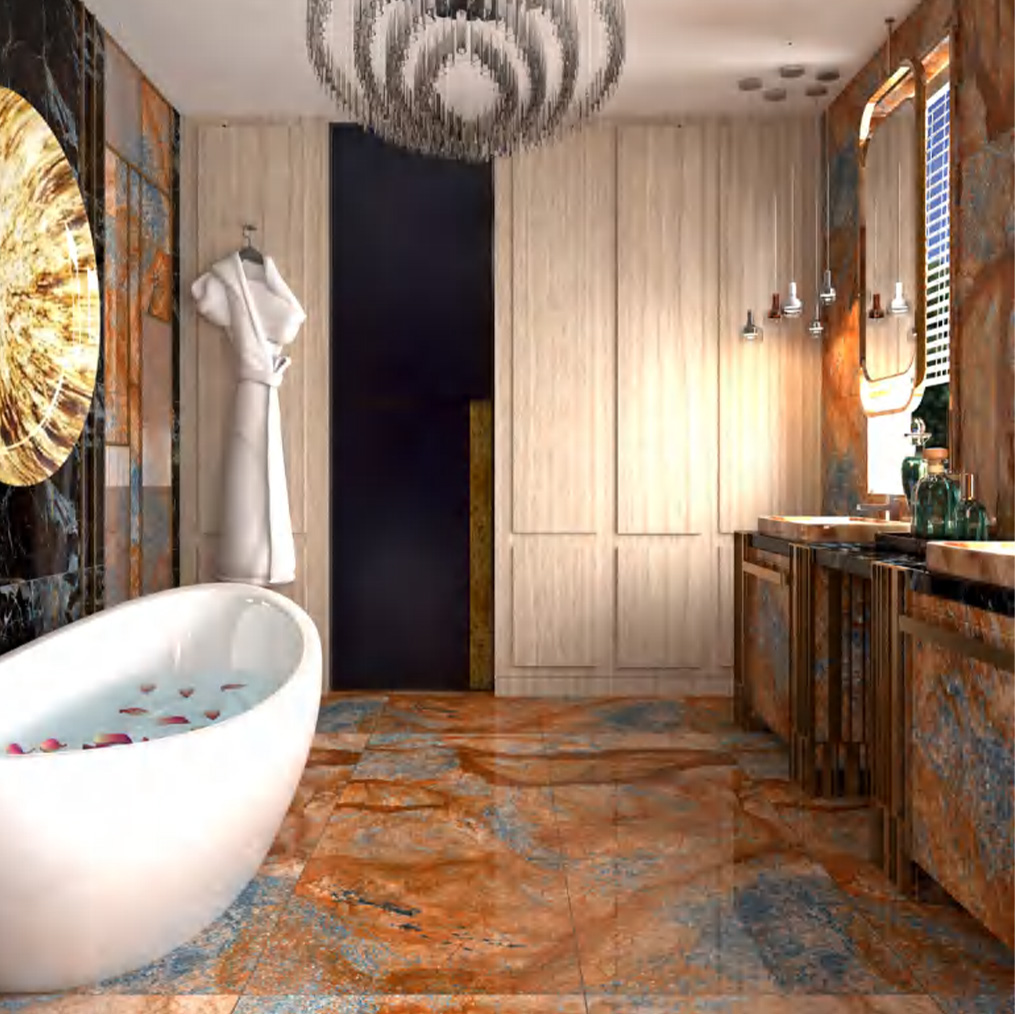
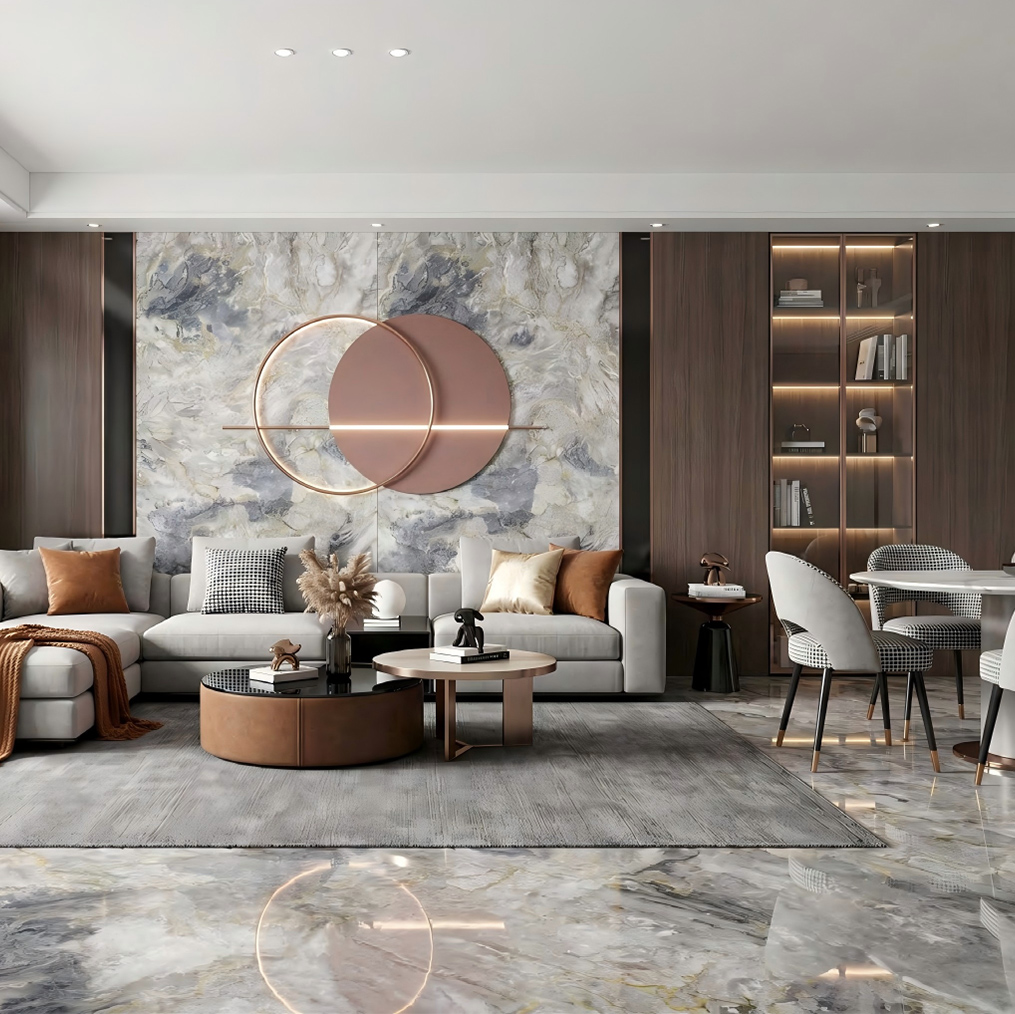
When I compare tile for different applications, I start with moisture exposure, slip resistance, traffic, porosity, maintenance, climate, and repair requirements. Which Tile Works Best for Bathrooms, Kitchens, Outdoors, and Commercial Floors? The short answer is matte porcelain for most interior floors, small-format slip-resistant mosaic for shower floors, exterior-rated porcelain pavers for outdoor areas, and porcelain or quarry tile for demanding commercial floors. The correct choice depends on measurable specifications rather than appearance alone.
!
Before I select a tile, I identify the room’s exposure conditions and the consequences of failure. A bathroom floor may need wet slip resistance, while a commercial kitchen also needs resistance to grease, thermal shock, dropped equipment, and aggressive cleaning chemicals. For an outdoor patio, freeze-thaw exposure and drainage can matter more than indoor styling.
I also collect the substrate condition, expected traffic, tile format, grout width, cleaning schedule, and installation method. Product data should include water absorption, slip-resistance testing, breaking strength, chemical resistance, shade variation, and recommended use. If a manufacturer cannot provide the relevant technical sheet, I treat the product as unsuitable for a specification-driven project.
Porcelain tile is produced to a water absorption level of 0.5% or less, making it a practical starting point for bathrooms, kitchens, laundry rooms, pool surrounds, and many outdoor installations. Its low porosity reduces water penetration through the tile body, although grout joints, movement joints, membranes, and substrate drainage still determine whether an assembly performs properly. Low absorption does not make an installation waterproof by itself.
For wet interior floors, I usually compare matte or textured porcelain rather than polished porcelain. A polished surface can become difficult to control under wet conditions, especially when soap, grease, or fine dust is present. For shower floors, mosaics between approximately 25 mm and 100 mm can provide more grout joints and easier slope transitions than very large slabs.
Ceramic tile can be a sound choice for kitchen backsplashes, bathroom walls, decorative surfaces, and light-to-moderate residential floors. It is often easier to cut than dense porcelain and may offer a broader range of wall formats. However, not every ceramic product is rated for floors, wet locations, exterior exposure, or freeze-thaw conditions.
When comparing porcelain tile vs ceramic tile, I check the product classification rather than relying on the name. A ceramic wall tile may have higher absorption and lower mechanical resistance than a porcelain floor tile. For a kitchen wall, that may be acceptable; for a busy entry floor or commercial washroom, I would require a floor-rated product with documented performance.
Natural stone includes marble, granite, slate, limestone, and travertine, with each material having different porosity, hardness, staining behavior, and maintenance needs. Dense granite can handle demanding conditions, while porous limestone and some marbles may require sealing and careful cleaning. Acidic cleaners can etch calcium-based stones, so chemical compatibility must be reviewed before installation.
I consider natural stone when the design requires authentic variation, a specific texture, or a premium interior finish. I avoid selecting it solely for appearance in wet or commercial areas without reviewing absorption, coefficient of friction, sealant requirements, and replacement availability. Stone can remain serviceable for decades, but periodic sealing and specialized repairs may increase lifecycle labor.
Quarry tile, glass tile, mosaic tile, terracotta, and sintered surfaces each solve different design or performance problems. Quarry tile is commonly considered for service areas and commercial kitchens because unglazed surfaces can provide useful traction, but grout, staining, and cleaning procedures still require attention. Glass tile is more suitable for walls, accents, and selected pool applications than for heavy cart traffic.
A Porcelain Tile Manufacturer such as JBN may offer polished porcelain, glazed porcelain, rustic tile, wood-look tile, wall tile, and mosaic products for different project categories. When reviewing a supplier, I ask for technical sheets, sample approval, shade and caliber controls, installation guidance, and third-party inspection documentation. JBN identifies OEM and ODM production, sample development, automated production equipment, and third-party quality reports as part of its manufacturing and supply process.
For bathroom floors, I generally specify matte porcelain with a documented wet slip-resistance result and a floor-use classification. A product tested to an appropriate wet DCOF value, commonly 0.42 or higher for level interior floors under ANSI A326.3 procedures, can be considered for many interior applications, but the exact test method and installation condition must match the project. Shower floors require additional attention because standing water, soap, body oils, and slope changes create more demanding conditions.
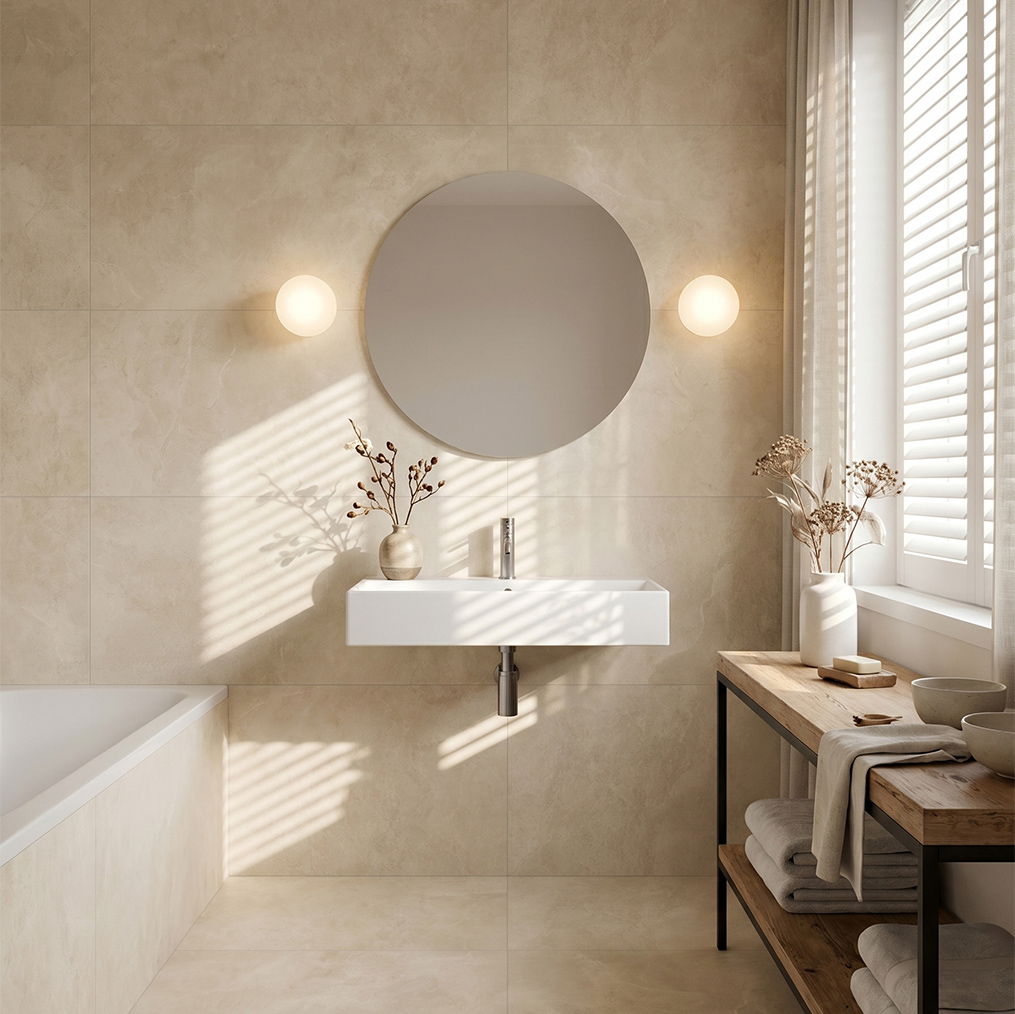
The best bathroom tile is usually a floor-rated matte porcelain for general floors and a small-format textured mosaic for shower floors. I verify water absorption at 0.5% or less for porcelain, wet slip-resistance data, chemical resistance, and compatibility with the waterproofing system. Glossy tile can remain appropriate for walls, but I do not select it for a wet floor without documented traction data.
Bathroom maintenance also depends on format and grout. Smaller tiles create more joints, which can improve slope control but increase grout-cleaning work. Large-format tile reduces grout length but requires a flatter substrate and careful lippage control, especially around drains and transitions.
For kitchen floors, matte porcelain is often the most balanced choice because it combines low absorption, abrasion resistance, and relatively simple cleaning. I look for a floor rating appropriate to the expected use and, where relevant, a PEI rating of IV or V for heavy residential or commercial-style traffic. PEI ratings apply to glazed surface abrasion, so they should be considered alongside breaking strength, slip data, and the specific product classification.
Ceramic is often a practical option for kitchen walls and backsplashes because those surfaces do not receive the same rolling loads or abrasive foot traffic. For floors used by a busy household, large dogs, wheeled appliances, or frequent food preparation, I prefer through-body or strongly wear-rated porcelain. Textured finishes can improve traction but may require more frequent cleaning because soil collects in surface relief.
A slip-resistant outdoor tile should be selected for climate, water exposure, and installation method. Exterior-rated porcelain pavers or tiles should show frost resistance when freeze-thaw conditions are possible, low absorption, suitable wet slip testing, and compatibility with the intended pedestal, mortar, or concrete installation. Indoor tile should never be moved outdoors simply because the color and thickness appear similar.
For pool decks, I evaluate wet traction, barefoot comfort, edge details, drainage, glare, and chemical exposure from chlorine or salt systems. Highly polished surfaces are generally a poor starting point for wet pedestrian areas. Textured porcelain, certified exterior pavers, and selected quarry products can be considered, but the full assembly must include correct slope, movement joints, drainage, and frost-resistant setting materials where applicable.
Outdoor tile also needs thermal and structural planning. Dark colors can become hotter under direct sunlight, while rigid installations may crack when the substrate moves or water freezes below the surface. I therefore review climate data, expected temperature variation, tile thickness, joint design, and repair stock before approving the product.
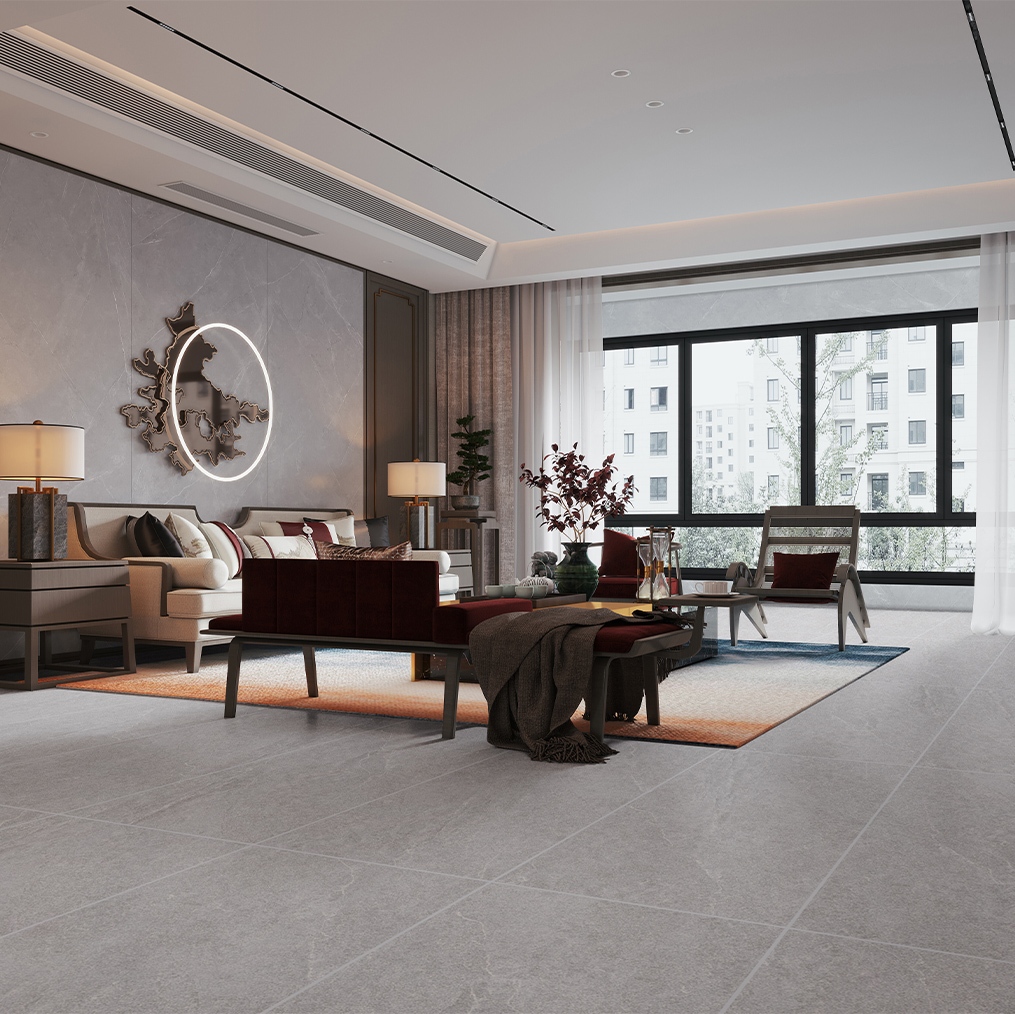
A commercial-grade floor tile must be selected according to traffic type rather than a general label. Retail stores, offices, restaurants, hospitals, hotel corridors, and loading areas produce different combinations of foot traffic, carts, impacts, stains, and cleaning chemicals. Porcelain and quarry tile are common candidates, but the right decision depends on documented abrasion, breaking strength, slip resistance, chemical resistance, and maintenance requirements.
The most durable tile for commercial floors is usually a properly specified porcelain or quarry tile that matches the traffic, impact, moisture, and chemical conditions. For heavy pedestrian areas, I look for a floor classification, suitable PEI performance where applicable, low absorption, tested slip resistance, and adequate breaking strength. A product with a high abrasion rating can still fail if the substrate deflects, joints are poorly designed, or cleaning chemicals attack the surface.
Commercial kitchens require additional review because grease, hot water, food acids, dropped utensils, and frequent degreasing can affect both tile and grout. Quarry tile may be suitable in some service zones, while textured porcelain may offer a different balance of appearance, absorption, and cleaning. Chemical-resistance testing should be reviewed against the actual cleaners, disinfectants, acids, and oils used at the site.
| Application | Preferred tile starting point | Specifications to verify | Main maintenance or access concern |
|---|---|---|---|
| Bathroom floor | Matte porcelain | Absorption ≤0.5%, wet slip data, floor rating | Soap film and grout cleaning |
| Shower floor | Small-format textured porcelain or mosaic | Wet traction, waterproofing compatibility, slope tolerance | More grout joints and drain detailing |
| Kitchen floor | Matte porcelain | PEI IV or V where applicable, breaking strength, stain resistance | Food residue and textured-surface cleaning |
| Kitchen backsplash | Ceramic or porcelain wall tile | Wall-use rating, chemical and stain resistance | Grout discoloration near cooking zones |
| Patio | Exterior-rated porcelain paver or quarry tile | Frost resistance, wet traction, drainage compatibility | Freeze-thaw movement and replacement stock |
| Pool area | Textured exterior porcelain, quarry, or approved mosaic | Wet slip data, pool-chemical resistance, barefoot comfort | Chlorine, salt, standing water, glare |
| Entry floor | Matte porcelain or dense stone | Abrasion, impact, wet traction, soil resistance | Grit at thresholds and transition repairs |
| Commercial kitchen | Quarry or textured porcelain | Chemical resistance, wet traction, impact resistance | Degreasing, grease buildup, grout sanitation |
| Retail or office floor | Commercial porcelain | Traffic classification, abrasion, breaking strength | Rolling loads, replacement matching, daily cleaning |
Purchase price is only one part of tile economics. I compare the expected service period, cleaning labor, sealing frequency, replacement difficulty, damage risk, and availability of matching tiles. A tile with a higher initial cost may reduce maintenance if it needs no routine sealing and tolerates the cleaning agents already used at the property.
Porcelain generally requires routine sweeping, neutral cleaning, and prompt removal of abrasive soil. Natural stone may need sealing intervals that depend on porosity and traffic, while textured quarry tile can require stronger cleaning procedures to remove grease from surface irregularities. Ceramic wall tile is often economical to maintain, but damaged decorative batches may be difficult to match after a renovation cycle.
Repairability also affects total cost. I recommend storing spare tiles from the same production batch because shade, caliber, and surface variation can change between manufacturing runs. For commercial projects, I also review whether individual tiles can be replaced without closing a large area and whether the grout color can be reproduced during future repairs.
Accessibility must be included in the specification. Excessive surface variation, abrupt transitions, glare, or poor wet traction can create problems for wheelchair users, older adults, and people with limited balance. I check transition heights, grout width, drainage, visual contrast at edges, and the selected slip-resistance test before approving the final layout.
I use a five-part screening method: identify exposure, define traffic, set measurable performance thresholds, test samples, and plan maintenance. Exposure includes water, frost, grease, chemicals, sunlight, and temperature change. Traffic includes pedestrians, carts, furniture, vehicles, dropped objects, and cleaning equipment.
Next, I compare the technical sheet with the actual room conditions. For wet floors, I prioritize wet traction and drainage; for exterior floors, I add frost resistance and installation compatibility; for commercial floors, I add chemical resistance, impact performance, and replacement planning. For walls, appearance and cutting behavior may receive greater weight because mechanical loading is usually lower.
I then test full-size samples under representative conditions. A sample should be viewed wet and dry, under the planned lighting, beside the intended grout, and with the proposed cleaning products. This process can reveal glare, staining, cleaning difficulty, and color variation that are not visible in a small catalog image.
The best floor tile is not the same for every room. Porcelain is usually the broadest-performing option for interior and exterior floors, ceramic is often efficient for walls and backsplashes, natural stone serves selected premium interiors, and quarry tile remains useful in certain service environments. The final choice should be based on measured performance and installation conditions.
The most economical tile flooring is the product that meets the required service conditions with the lowest combined installation, cleaning, repair, and replacement cost. Low purchase price can become expensive when a tile stains, cracks, requires frequent sealing, or becomes unavailable for repairs. I compare the expected maintenance schedule and spare-tile requirement before making a price decision.
Glossy tile is generally easier to wipe on walls but can show scratches, water marks, and glare. Matte or lightly textured tile is usually more suitable for floors where wet traction and visual concealment of soil matter. I do not treat a matte finish as automatically slip-resistant; the product still needs relevant test data.
Floor tile can sometimes be used on walls or in showers, but the reverse is not automatically acceptable. A wall tile may not have the strength, thickness, surface durability, or slip characteristics required for a floor. I check the manufacturer’s use classification and installation instructions before changing the intended application.
Which Tile Works Best for Bathrooms, Kitchens, Outdoors, and Commercial Floors? For most interior floors, I recommend starting with matte porcelain that has absorption of 0.5% or less and suitable traffic and slip-resistance data. For shower floors, I favor small-format textured mosaics; for kitchens, floor-rated porcelain and ceramic backsplash tile; for patios and pool areas, exterior-rated frost-resistant porcelain or approved quarry products; and for commercial floors, porcelain or quarry tile matched to traffic, chemicals, impact, and cleaning conditions.
Before purchasing, I compare the technical sheet, sample, installation method, maintenance schedule, and repair plan. I also confirm DCOF or equivalent wet traction data, PEI performance where applicable, water absorption, frost resistance, chemical resistance, and accessibility details. Suppliers such as JBN can be evaluated by requesting samples, production specifications, customization information, and third-party inspection documents before approving a final tile schedule.
Feel free to reach out for any queries. We would be happy to help!
We look forward to working with you.
Navigation
Navigation
Contact Us
Telephone: 0086-757-83327093
E-mail: jbn002@jbnjbn.com
WhatsApp: +86 136 9028 1303
WeChat: +86 136 9028 1303
Address:Building 4, Area B, Ceramics International Trading Center, Jihua Xi Road, Foshan, Guangdong, China
Get in Touch
Get in Touch