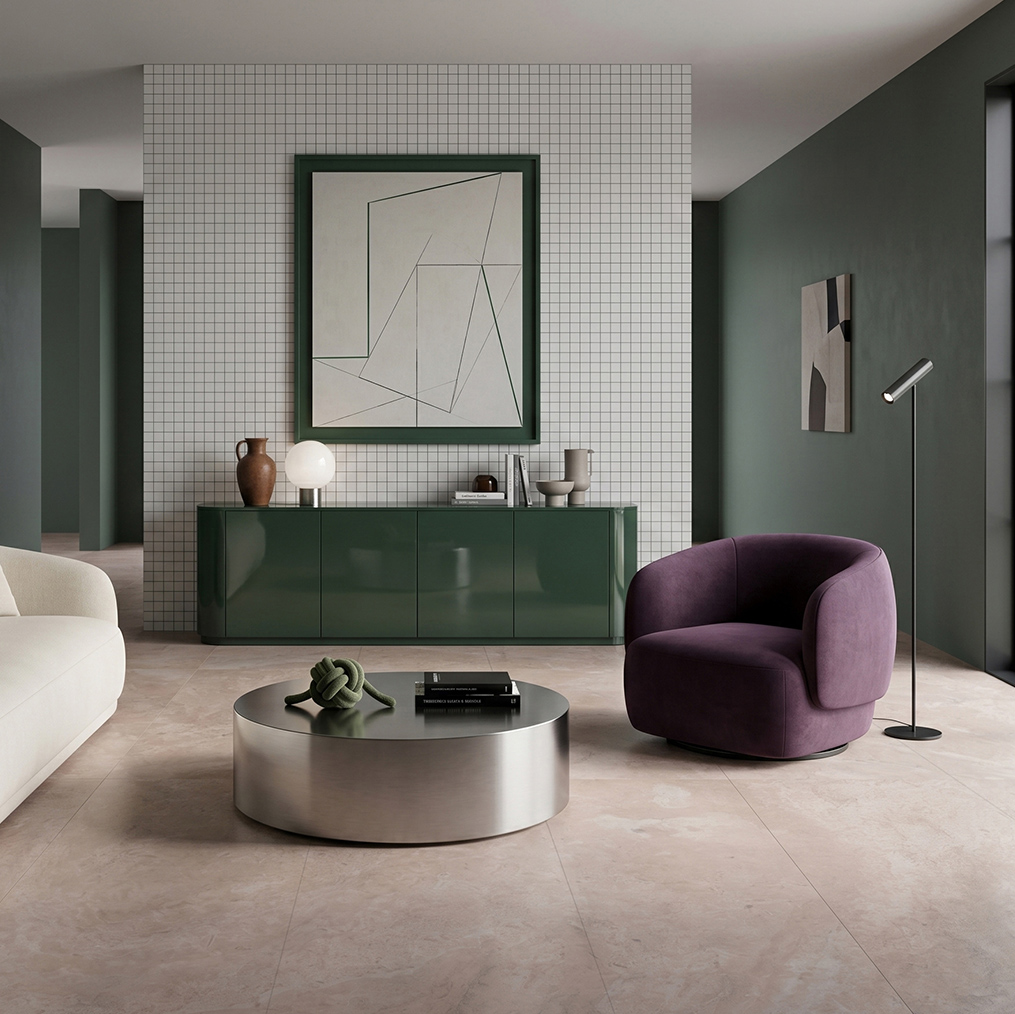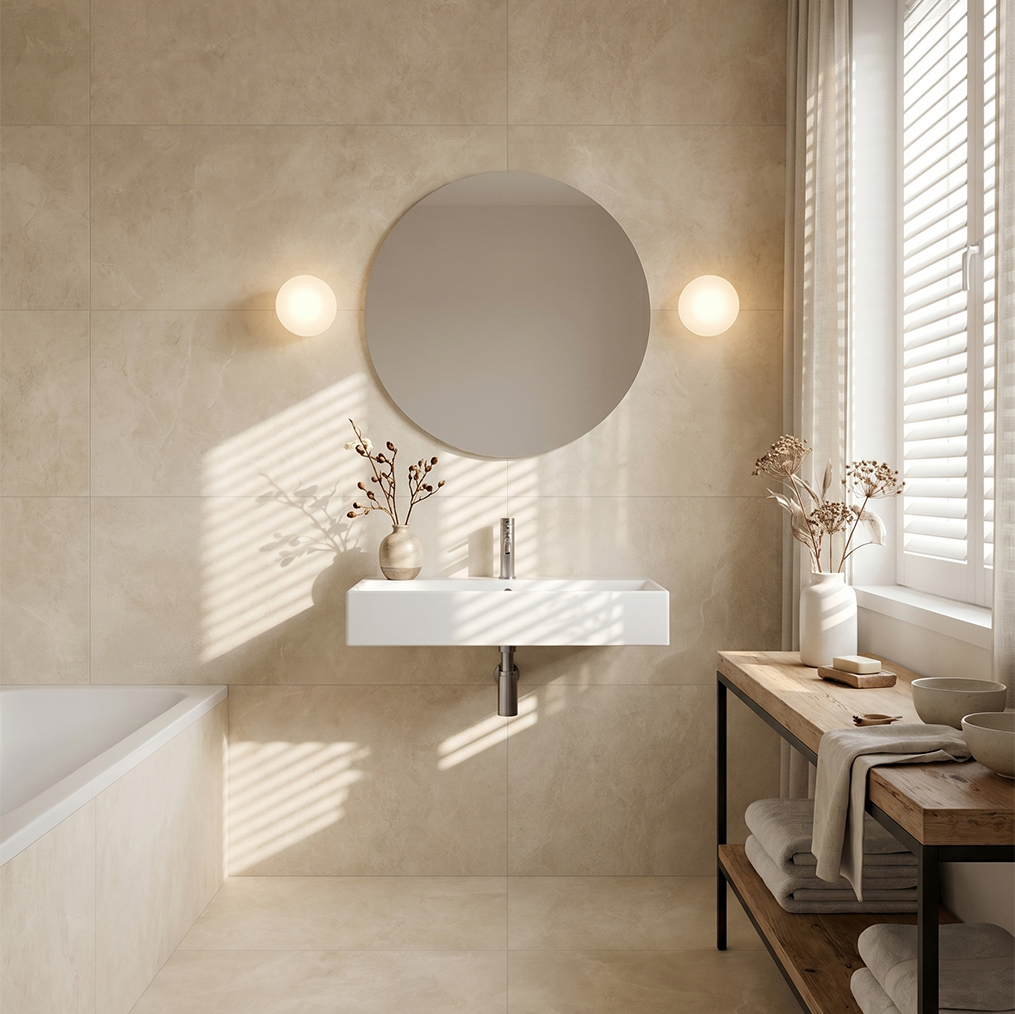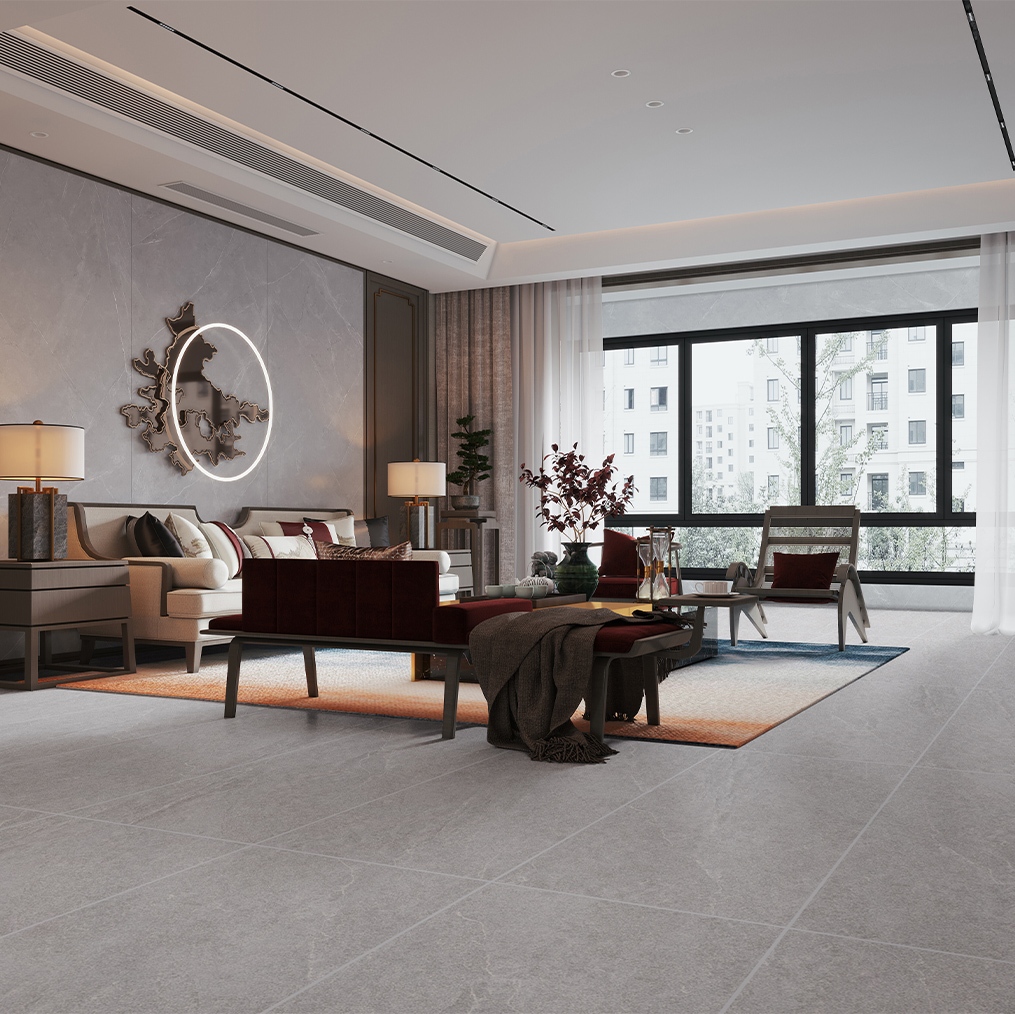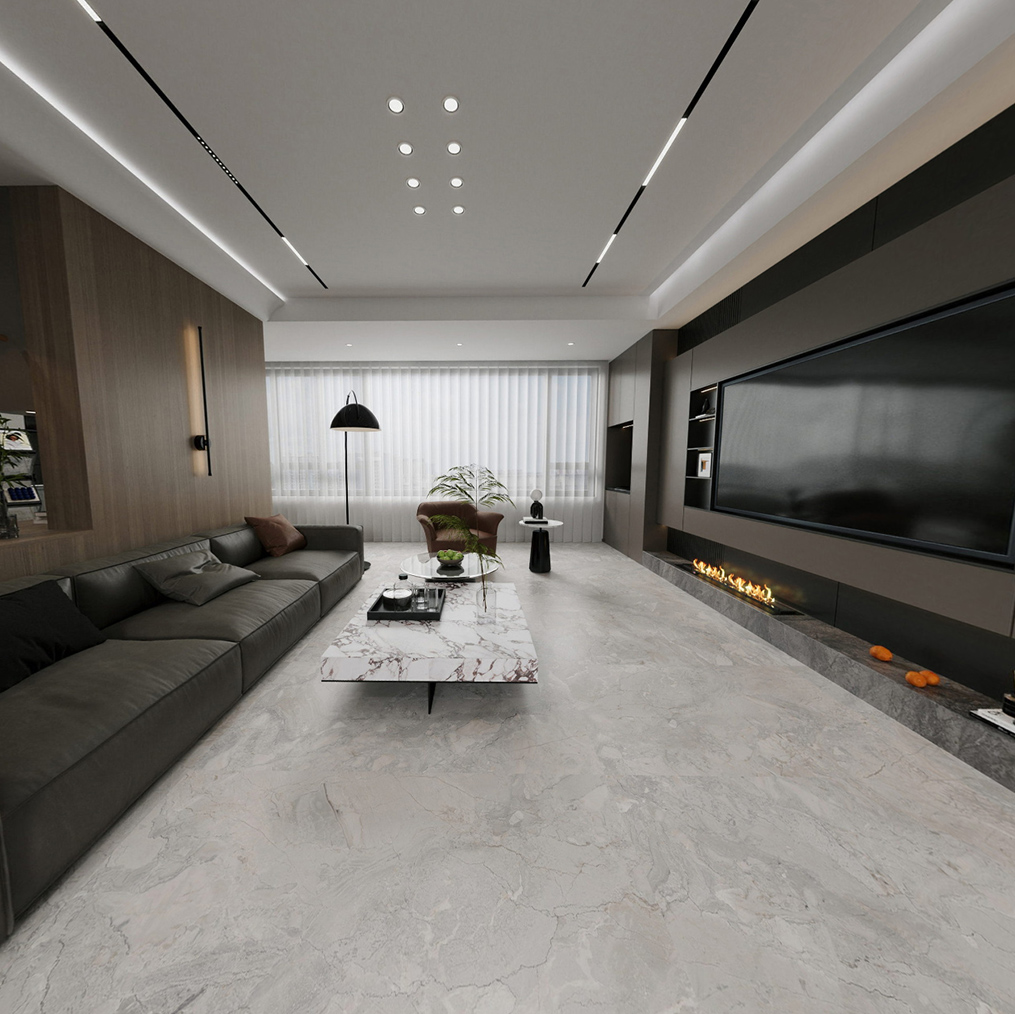

Choosing a floor for a bathroom, kitchen, rental property, or busy hallway involves more than matching a color to a cabinet. A Porcelain and Ceramic Tile Supplier can provide samples, technical data, and installation guidance, but the final choice should reflect water exposure, traffic, subfloor movement, and maintenance expectations. This guide evaluates wood look porcelain tile for bathrooms, waterproof wood effect flooring, and porcelain wood plank tile using measurable criteria such as water absorption, PEI wear rating, and dynamic coefficient of friction (DCOF).
Why a Comprehensive Review Matters Before Buying from an OEM Tile Supplier
Wood-look tile is often selected because it appears warmer than plain stone or concrete finishes, yet its performance depends on details that are easy to overlook. A product may have a convincing grain pattern but still be unsuitable for a wet room if the surface is too smooth, the grout joints are poorly designed, or the installation does not control subfloor movement.
For a reliable comparison, evaluate four separate layers: the tile body, the printed surface, the installation system, and the room environment. Porcelain is generally defined in North American tile standards as tile with water absorption of 0.5% or less when tested under ASTM C373. That low absorption helps limit water uptake through the tile itself, but it does not make the entire floor waterproof. Water can still enter through grout joints, movement joints, perimeter gaps, cracks, or an incorrectly installed shower membrane.
JBN and other established manufacturers or OEM tile suppliers should be able to provide a technical data sheet, shade and caliber information, slip-resistance data when available, recommended applications, and carton coverage. These documents are more useful than a showroom label such as “premium,” “heavy-duty,” or “waterproof.”
Wood Look Porcelain Tile from an OEM Tile Supplier: What It Is
Wood look porcelain tile is a fired ceramic product printed and finished to resemble timber. Digital inkjet decoration can reproduce knots, saw marks, oak-like grain, ash tones, walnut colors, and reclaimed-board variation. Unlike natural wood, the pattern is printed across a manufactured surface, so the design repeats according to the production run. A larger room may therefore benefit from opening several cartons and dry-laying pieces before installation.
Porcelain Wood Plank Tile and Ceramic Wood-Look Flooring
Most wood-look products are manufactured in plank-shaped formats such as 150 × 900 mm, 200 × 1200 mm, or similar sizes. Exact dimensions vary by factory. Rectified edges can support narrower grout joints, but they do not eliminate the need for joints. Tile industry guidance commonly recommends following the manufacturer’s minimum joint width and using a wider offset pattern for long planks when required by the product instructions.
Porcelain stoneware is dense and low-absorption, while standard ceramic wood-look flooring may have a higher absorption rate. Neither category should be judged by appearance alone. Check the declared water absorption, breaking strength, surface finish, shade variation, abrasion classification, and intended use.
Advantages of Wood Look Porcelain Tile for Bathrooms and Kitchens
1. Low Tile-Body Water Absorption
When a tile meets the porcelain threshold of 0.5% or less water absorption under ASTM C373, the tile body takes up substantially less water than more porous ceramic products. This is useful in kitchens, utility rooms, entryways, and bathroom floors where occasional splashes are expected. It also reduces concern about the tile itself swelling, because fired porcelain does not behave like a wood plank exposed to moisture.
The important limitation is scope: low absorption applies to the tile body, not to the complete floor assembly. A shower still needs a code-compliant waterproofing system, properly sealed penetrations, sloped surfaces, and compatible grout and sealant details.
2. Better Resistance to Surface Wear
Many porcelain floor tiles are tested under abrasion classifications such as PEI. PEI is a wear-resistance classification for glazed tile surfaces, not a universal guarantee against every type of damage. A product with a higher suitable PEI rating is generally more appropriate for areas exposed to repeated foot traffic, grit, or commercial cleaning.
For a residential hallway or kitchen, ask the OEM tile supplier for the recommended traffic classification rather than assuming every wood-look tile is suitable for floors. For retail, hospitality, or office applications, request project-specific testing and maintenance guidance. Sand and grit can act as abrasives even when the tile glaze itself is durable.
3. Stable Appearance Compared with Natural Wood
Porcelain does not fade or change color in the same way that many wood finishes do when exposed to sunlight, although surface decoration can still be affected by unsuitable chemicals or severe environmental conditions. It is also not vulnerable to termites and does not require sanding, staining, or recoating.
That stability can reduce long-term refinishing work. However, replacement pieces may not match perfectly after several years because manufacturers can change a collection, shade, caliber, or surface finish. Buy approximately 10% extra for normal cuts and future repairs; complex layouts or rooms with many angles may require more. Confirm the quantity with the installer.
4. Compatibility with Underfloor Heating
Tile conducts and distributes heat more effectively than many thick resilient or timber floor systems. Wood-look porcelain can therefore be used over electric or hydronic underfloor-heating systems when the heating manufacturer, tile manufacturer, adhesive supplier, and local code requirements are followed.
The installation must accommodate thermal movement. The heating system should not be switched on immediately after installation; the adhesive and grout need to cure according to their product instructions, and commissioning should follow the heating-system manufacturer’s schedule.
5. More Cleaning Options
Glazed porcelain usually tolerates routine cleaning with a neutral-pH tile cleaner and clean water. It does not need wood polish, wax, or periodic refinishing. Still, textured surfaces and narrow plank joints can collect soil. A soft-bristle brush, correctly diluted cleaner, and prompt removal of spills are safer than abrasive powders or harsh acids.
Disadvantages of Waterproof Wood Effect Flooring from an OEM Tile Supplier
1. It Is Harder and Less Forgiving Underfoot
Porcelain is a rigid mineral surface. It does not provide the same warmth, resilience, or acoustic softness as timber, cork, or some resilient flooring products. A dropped glass is more likely to break, and prolonged standing can feel tiring without an appropriate anti-fatigue mat.
For kitchens, place a washable mat in front of the sink, but avoid rubber-backed products that may stain or trap moisture unless the manufacturer confirms compatibility. In bedrooms or living areas where softness is a priority, compare porcelain with engineered wood, luxury vinyl, or cork before deciding.
2. Installation Requires a Flat, Stable Subfloor
Long plank tiles are less tolerant of unevenness than small mosaic pieces. Lippage can occur when adjacent tile edges sit at different heights. Before installation, the installer should check the substrate with a straightedge and follow the applicable tile-industry flatness requirements and adhesive instructions.
Large-format and plank installations may need backer board, a crack-isolation membrane, leveling compound, or movement joints depending on the substrate. These are not optional cosmetic upgrades when the floor has structural movement, moisture problems, or excessive variation. Never install tile over a damp or unstable base simply because the tile itself has low water absorption.
3. Grout Joints Still Need Maintenance
The tile surface may resist water, but grout is a separate material. Cement-based grout can absorb moisture and stain unless it is selected, cured, and maintained correctly. Epoxy grout generally offers lower absorption and stronger stain resistance than conventional cement grout, but it costs more and requires precise installation.
Inspect joints periodically for cracks, missing material, or dark areas that remain wet. Repairing a failed joint early is less disruptive than allowing water to reach the subfloor or wall assembly.
4. Slip Resistance Is Product-Specific
A wood texture does not automatically make a tile slip-resistant. For level interior surfaces, ANSI A326.3 testing uses a wet DCOF value of 0.42 as a common classification threshold for products intended for certain interior walking surfaces, but the value is not a guarantee that no person will slip. Footwear, contaminants, slope, drainage, maintenance, and user behavior all affect safety.
For bathrooms, entrances, commercial kitchens, pool surrounds, and other wet locations, request the actual test information and select a surface designed for the expected conditions. Highly textured tile may improve traction but can be more difficult to clean and less comfortable under bare feet.
5. Color and Pattern Repetition Can Be Noticeable
Printed wood grain is not identical to natural boards. Some collections use a limited number of digital faces, which can create visible repetition across a large floor. Ask the OEM tile supplier how many unique faces are available, order a full-size sample, and arrange pieces from multiple cartons before fixing them permanently.
Best Applications for Porcelain Wood Plank Tile from an OEM Tile Supplier
Bathrooms and Powder Rooms
Wood look porcelain tile for bathrooms works well on floors and, when approved by the manufacturer, walls. Choose a surface with suitable wet-area slip data, use the correct waterproofing assembly in shower zones, and provide drainage slopes where required. Smaller formats can simplify installation around drains, while plank layouts can work effectively outside the shower area.
Kitchens, Mudrooms, and Entryways
These areas experience tracked-in grit, food spills, wet footwear, and frequent cleaning. A suitable PEI classification, a surface that can be cleaned without aggressive chemicals, and a grout color that tolerates daily use are practical priorities. Matte or lightly textured finishes often hide small marks better than highly polished surfaces.
Living Rooms and Open-Plan Interiors
Porcelain can create visual continuity from the kitchen into the dining or living area. Use sample boards under both daylight and artificial light because warm and cool lighting can change the apparent undertone of beige, gray, and brown tile. Large rooms benefit from a layout plan that controls plank direction, visual repetition, and transition locations.
Retail, Hospitality, and Light Commercial Spaces
Commercial projects should be specified from test data rather than residential marketing claims. Confirm expected traffic, cleaning chemicals, trolley or equipment loads, slip classification, breaking strength, replacement availability, and local code requirements with the supplier and architect.
Outdoor or Semi-Outdoor Areas
Do not assume that a porcelain tile approved for an indoor floor is suitable outdoors. Exterior use may require frost resistance, a particular thickness, drainage design, suitable wet slip performance, and an installation method compatible with temperature changes. Verify the product’s exterior rating and local climate requirements with the OEM tile supplier.
How to Choose Wood Look Porcelain Tile: A Practical Specification Checklist
- Define the room conditions. Record whether the area is dry, intermittently wet, continuously wet, heated, exposed to grit, or open to the weather.
- Request technical documents. Ask for water absorption, breaking strength, abrasion classification, slip-resistance information, chemical resistance, frost rating when relevant, shade variation, caliber, and recommended applications.
- Check the format. Confirm actual manufactured dimensions, nominal dimensions, thickness, plank length, edge type, and the manufacturer’s permitted offset pattern.
- Review a full-size sample. Examine grain repetition, color variation, texture, edge quality, and cleaning behavior. A small sample may not reveal the full visual effect.
- Calculate the quantity. Add a cutting allowance, then retain spare cartons labeled with the collection, shade, caliber, and batch information.
- Plan transitions. Coordinate tile height with adjacent wood, vinyl, stone, or carpet. Include movement joints at perimeters, changes in plane, and other locations specified by the installation system.
- Use a qualified installer. Confirm substrate preparation, adhesive coverage, joint width, grout selection, layout, curing time, and cleaning procedures before work begins.
- Inspect before fixing. Open several cartons and report visible defects, shade concerns, chipped edges, or incorrect caliber before installation. Installed material is harder to claim or replace.
Cost and Value: Is Wood Look Porcelain Tile Worth Buying?
The purchase price is only one part of the budget. Include tile, shipping, trim, substrate repair, waterproofing where required, adhesive, grout, movement-joint materials, labor, demolition, waste, and future replacement stock. A low-cost tile can become expensive if the subfloor requires extensive correction or if the selected surface is unsuitable for the room.
Wood look porcelain tile is usually worth considering when the project needs a timber appearance with low tile-body absorption, no sanding or refinishing, and resistance to common household wear. It may be a poor value when the priority is a soft, quiet, warm surface or when the site cannot support a rigid tile installation.
The most defensible buying decision comes from matching documented performance to the application. For a bathroom, prioritize waterproofing, wet slip data, cleanability, and grout design. For a high-traffic entry, prioritize abrasion suitability, breaking strength, surface maintenance, and replacement availability. For a living room, give more weight to comfort, sound, visual variation, and transitions.
JBN and OEM Tile Supplier Questions to Ask Before Ordering
- Does the product meet the porcelain water-absorption threshold of 0.5% or less, and under which test method?
- What floor and wall applications does the manufacturer approve?
- What PEI or equivalent wear information is available for the glazed surface?
- Is wet DCOF or another slip-resistance test available for this exact finish?
- How many unique printed faces are included in the collection?
- What shade variation category, caliber, and batch information apply to the order?
- What grout width and offset pattern does the manufacturer recommend?
- Is the product compatible with underfloor heating, exterior use, or freeze-thaw conditions?
- Can the supplier provide installation, cleaning, and maintenance instructions?
- How can matching replacement cartons be identified in the future?
FAQ About Wood Look Porcelain Tile from an OEM Tile Supplier
Is wood-look porcelain tile waterproof?
The porcelain tile body has water absorption of 0.5% or less when it meets the relevant porcelain classification, but the completed floor is not automatically waterproof. Waterproofing membranes, grout joints, movement joints, penetrations, and drainage must be designed and installed correctly.
Can wood-look porcelain tile be used in a shower?
It can be used in a shower when the exact product is approved for wet walls or floors, the surface provides suitable slip performance for the location, and the shower assembly includes compliant waterproofing and drainage. A supplier’s general “waterproof” claim is not a substitute for an installation specification.
Is porcelain tile more durable than real wood?
Porcelain resists moisture, termites, dents from ordinary household use, and surface wear differently from wood. It can crack if the substrate moves or if a heavy object strikes it, while wood can dent, scratch, swell, or require refinishing. The better material depends on traffic, moisture, comfort, maintenance, and repair expectations.
What grout color works best with wood-look tile?
A grout close to the tile’s dominant background usually reduces visual contrast and makes joints less prominent. A contrasting grout emphasizes the plank layout but may show soil more clearly. Always test the actual grout with the actual tile because lighting and texture change the result.
Should wood-look porcelain tile be installed in a running-bond pattern?
A running-bond layout can create a plank effect, but long tiles may require a limited offset to reduce lippage. Follow the manufacturer’s instructions for the specific size and check the flatness of the substrate before selecting the pattern.
How much extra tile should I order?
Many residential projects allow about 10% for cuts and ordinary breakage, but rooms with diagonal layouts, multiple angles, or complex borders may need more. Keep unopened cartons from the same shade and caliber for future repairs, and confirm the allowance with the installer.
How should wood-look porcelain tile be cleaned?
Sweep or vacuum with a suitable hard-floor attachment, then use a neutral-pH cleaner diluted according to its label. Avoid wax, oil-based wood products, abrasive powders, and unapproved acids. Clean textured surfaces and grout joints regularly so grit does not act as an abrasive.
Final Recommendation: Who Should Use Wood Look Porcelain Tile?
Wood look porcelain tile is a strong option for homeowners, landlords, hospitality operators, and commercial specifiers who want a timber appearance with a porcelain stoneware body, documented water absorption of 0.5% or less when applicable, and a maintenance routine that does not include sanding or refinishing. It is especially practical for kitchens, entryways, bathrooms, and connected open-plan spaces when the substrate and installation system are properly prepared.
Choose another flooring type if softness, natural board variation, easy spot repair, or a quieter underfoot feel matters more than moisture resistance and rigid-surface durability. Before ordering from JBN or another OEM Tile Supplier, compare the technical sheet, full-size samples, installation requirements, and total project cost. The best wood look porcelain tile for bathrooms, waterproof wood effect flooring, or porcelain wood plank tile is not simply the most attractive sample; it is the product whose water absorption, PEI wear rating, and DCOF data match the room’s actual conditions.