19,Nov 2026
What is the best tile for a laundry room floor? For many residential and apartment laundry areas, a floor-rated matte or lightly textured porcelain tile is a practical starting point because porcelain has low water absorption, can be cleaned regularly and is available in designs that coordinate with surrounding rooms. However, the tile alone does not make a laundry room waterproof. The floor needs a sound substrate, suitable adhesive and grout, and appropriate waterproofing and drainage where required by the project.
Laundry rooms have a different risk profile from living rooms and kitchens. Water may leak from a hose or appliance, detergents can spill, a washing machine can vibrate, and a narrow floor plan may contain floor drains, cabinets and plumbing penetrations. The right flooring decision considers these conditions before color or price. This guide explains porcelain versus ceramic laundry tile, practical sizes, safe finishes, substrate and waterproofing details, and how to prepare a purchasing specification for residential developments or wholesale orders.
Porcelain tile is generally classified by water absorption of 0.5% or less under widely accepted methods such as ASTM C373 or ISO 10545-3. A dense tile body can resist the routine moisture exposure expected in a utility room better than many more porous materials. It can also provide a durable surface for normal pedestrian use when the particular tile is floor-rated and correctly installed.
That does not make porcelain a universal solution. Water can pass through grout joints, perimeter gaps and poorly detailed penetrations into the layers below. A blocked drain or leaking washing-machine supply line can damage walls and floor structures even when the tile surface remains intact. The waterproofing and drainage assembly must therefore be designed for the installation location, especially in apartments and upper-floor utility rooms.
Claims such as “100% waterproof laundry floor” should be evaluated at the assembly level, not inferred from a tile product name. Ask the installer to explain how waterproofing, corners, door thresholds and floor drains will work together.
Both porcelain and ceramic can be used in appropriate indoor floor applications, but they are not automatically interchangeable. Porcelain generally has lower absorption, while some ceramic floor products can offer acceptable performance in light residential conditions. A wall-only ceramic tile should never be substituted for a floor-rated tile merely because it has the desired pattern.
| Selection factor | Porcelain floor tile | Ceramic floor tile |
|---|---|---|
| Water absorption | Usually 0.5% or less when correctly classified as porcelain | Often higher, varying substantially by product |
| Moisture-prone utility room | Often a suitable material starting point | Can work if floor-rated and approved for the conditions |
| Cutting and installation | Dense body may require more demanding cutting and suitable bonding materials | Some products may be easier to cut and install |
| Finish options | Matte, textured, stone-look and decorative glazed products | Wide range of decorative designs, depending on floor suitability |
| Heavy appliance use | Must verify loads, substrate support and installation | Must verify the same factors; not all ceramics suit concentrated loads |
| Maintenance | Depends on glaze, texture and grout | Also depends on surface finish and grout |
Low water absorption is an important benefit but is not a substitute for checking the actual tile's breaking performance, use classification and slip data. If the laundry area is exposed to persistent standing water, seek a complete wet-room design rather than relying on a higher-priced tile to solve drainage problems.
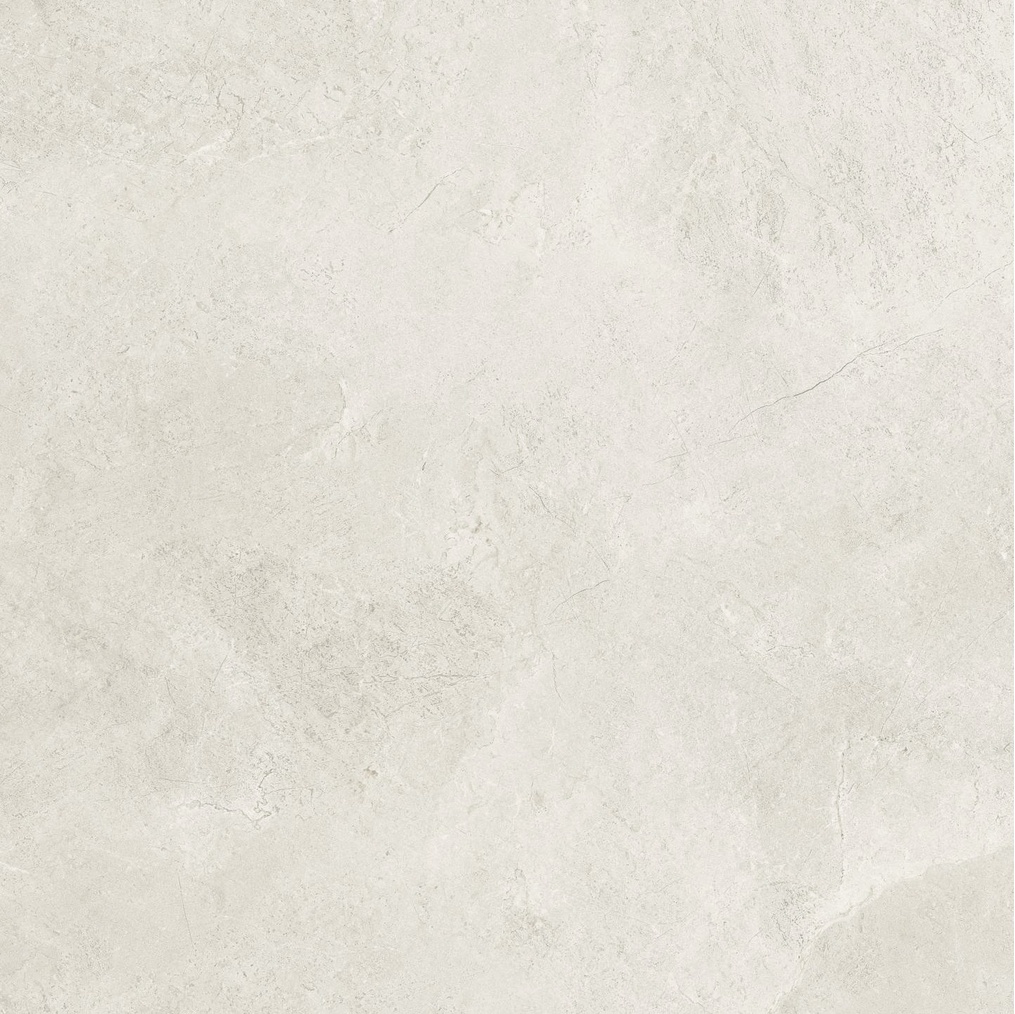
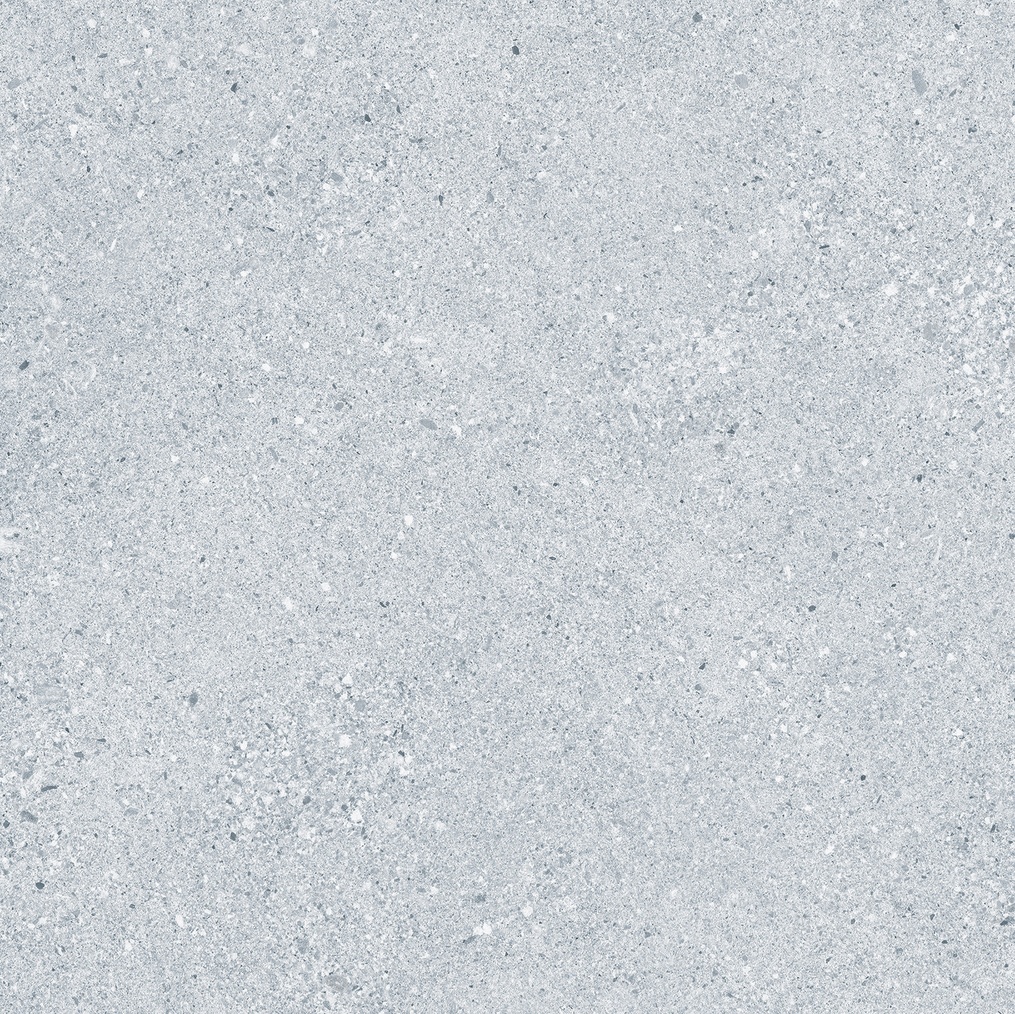
A matte floor is often a practical first choice because the subdued appearance can reduce visible glare and make ordinary cleaning marks less prominent. Light surface texture may help with traction, although the actual product's wet-slip results must still be checked. Excessively rough textures may hold lint, powdered detergent or soil and can be more difficult to mop.
A laundry area with a floor drain, outdoor access or frequent wet cleaning may need a specifically tested slip-resistant product. “Textured” and “anti-slip” are general descriptions, not interchangeable engineering specifications. Ask for the applicable test results and match them to the country's requirements, footwear, likely contamination and floor gradient.
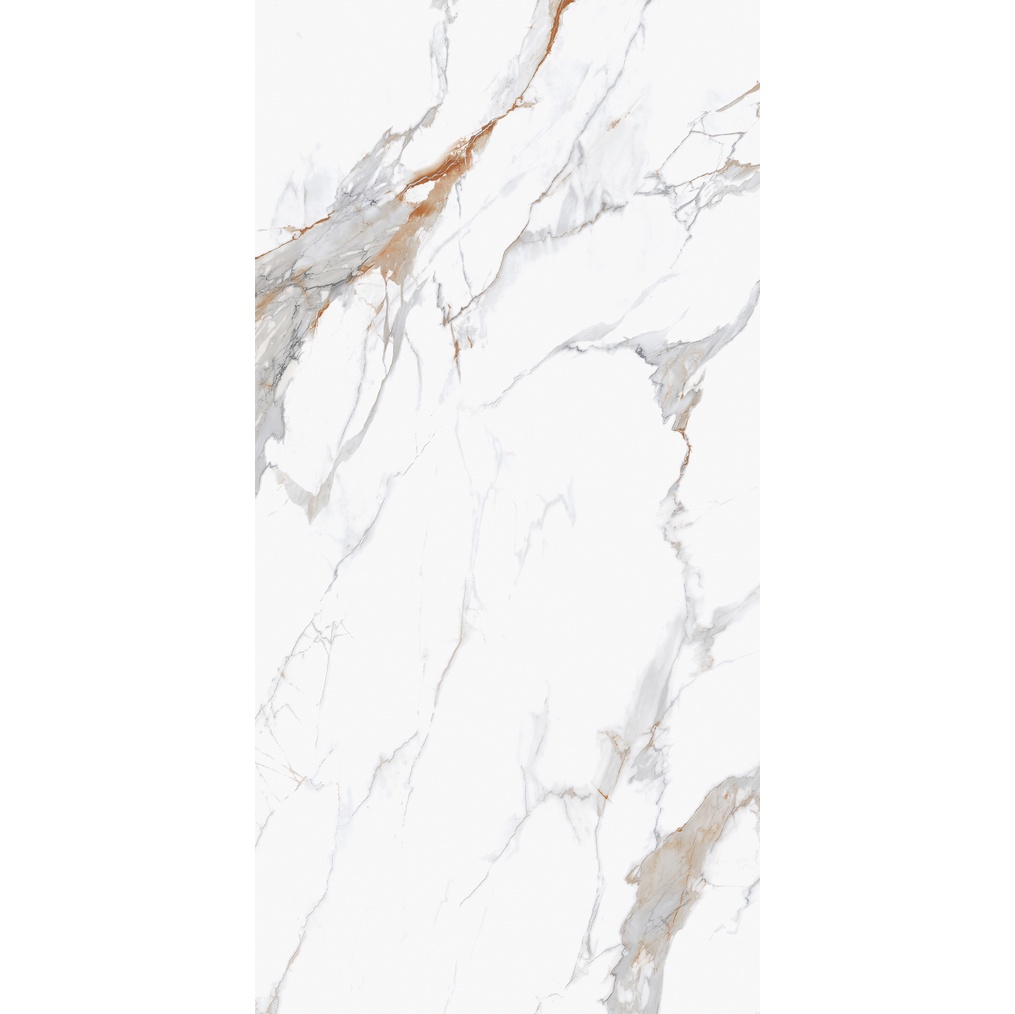
Polished tiles can look sophisticated in a dry utility area connected to a luxury apartment, but a highly reflective surface is not automatically a good choice near a washing machine or wet doorway. Smooth products can become slippery when contaminated with water or detergent. If the interior design requires a reflective appearance, verify floor use and wet-slip performance before selecting the product.
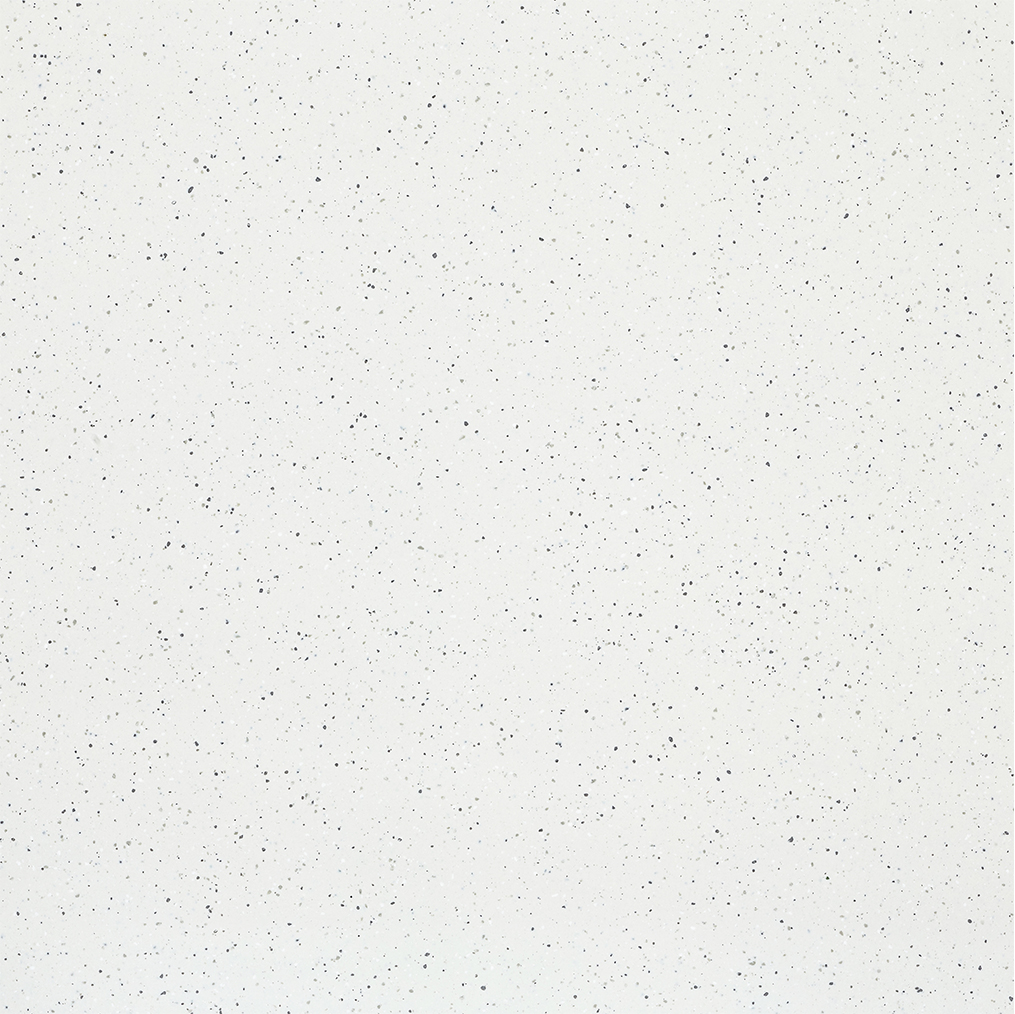
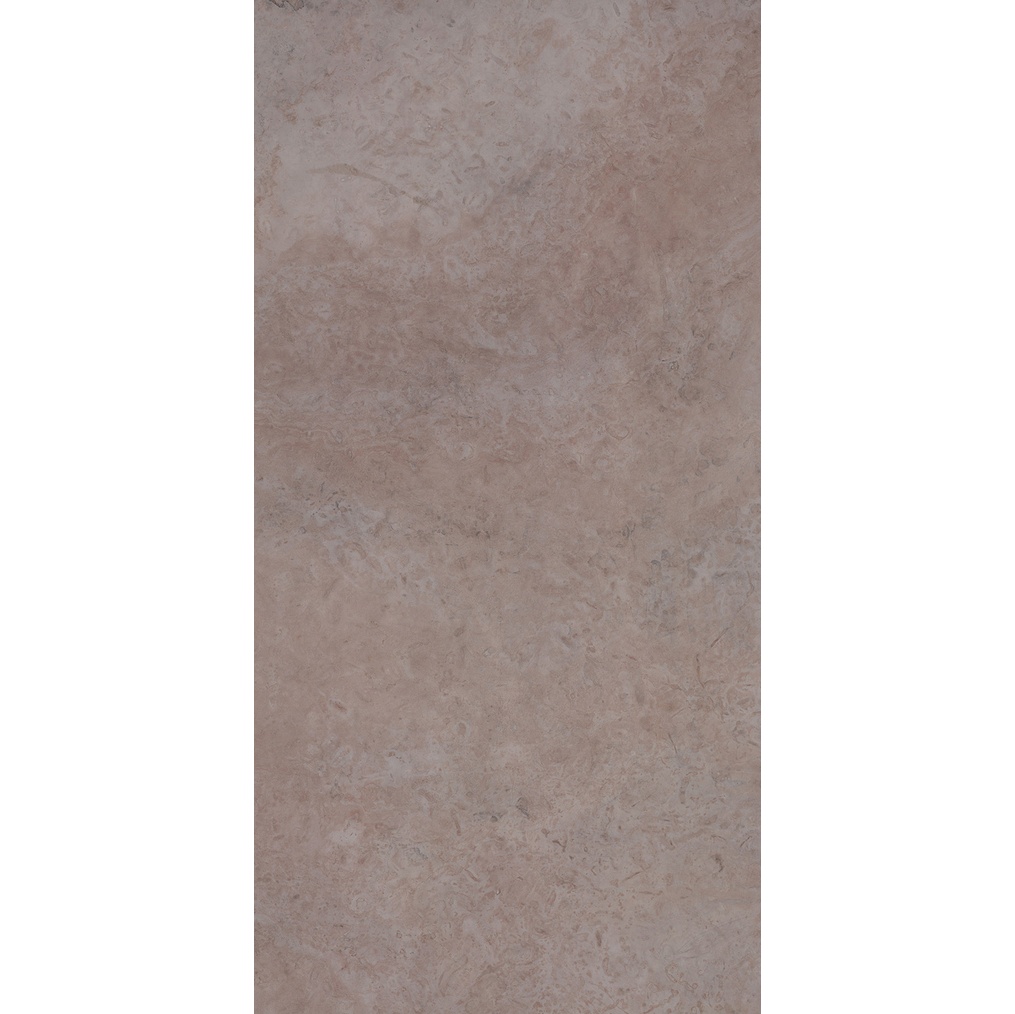
Buyers can compare the supplier's rustic matte floor tile options with the broader porcelain and ceramic collection. Exact wet-use suitability should be established from the selected series and its technical documents, not from the category photograph alone.
A laundry room is often compact or interrupted by appliances, a sink, cabinetry and service doors. The most attractive tile format is therefore not necessarily the one with the largest face area. A small utility room with a drain slope may benefit from a smaller modular layout; an open, flat laundry space may accommodate a larger format with fewer visible joints.
| Nominal format | Area per tile | Potential benefit | Key limitation |
|---|---|---|---|
| 300x300 mm | 0.09 m² | May make complex drainage falls easier to accommodate | More grout joints; confirm actual collection availability |
| 600x600 mm | 0.36 m² | Practical grid for many apartment utility areas | Plan cuts around cabinets and appliance pedestals |
| 800x800 mm | 0.64 m² | Calm square appearance in larger laundry rooms | Requires flat support and careful slope design |
| 600x1200 mm | 0.72 m² | Directional appearance in larger, flat utility rooms | May be difficult around multiple drains and interruptions |
These sizes are examples for design comparison. Not every nominal format is offered in every tile series, and a tile chosen for a wet floor must be compatible with the planned falls and installation system. Before ordering, the designer should mark the drain, door, hose penetrations and appliance footprints on a dimensioned drawing.
It can be, but only after reviewing room geometry. Large-format porcelain may create an attractive quiet floor in a rectangular apartment laundry with no complex drainage slopes. If the floor needs a fall toward a central drain, large flat pieces can make it harder to achieve the required geometry without unacceptable lippage or awkward cuts. The installer may recommend smaller tiles in those circumstances.
A simple sample board does not show how the tile will fit around washing-machine feet, a trough sink, a door threshold or a service hatch. The designer should calculate full pieces, partial pieces and a reasonable replacement allowance. The 800x800 porcelain tile guide explains coverage calculations and large-format handling for projects where that size is being considered.
A porcelain tile assembly may support a residential washer and dryer when its substrate, materials and installation are designed for the actual loads. However, no tile should be declared suitable for every appliance based on thickness or appearance alone. A washing machine introduces static weight, vibration and concentrated contact through its adjustable feet. Moving equipment across the finished floor can also create impact and point-load risks.
Ask the installer or project engineer to review the appliance specifications, subfloor support, tile strength, mortar coverage and the intended installation details. A stable, level appliance installation is important for proper machine operation. Use appropriate protective methods when moving a heavy machine; do not drag sharp metal feet across a tile surface.
In a residential tower, the developer should also consider acoustic and vibration requirements for the complete floor and building assembly. Porcelain by itself does not solve equipment vibration or airborne noise problems. Appliance placement and maintenance access should be included in the floor plan before selecting the tile size.
Porcelain is water-resistant as a material, but tile and grout are not a complete waterproofing system. The relevant waterproofing requirement depends on the room's location, building type, jurisdiction and whether the area includes a drain or is routinely washed down. Upper-floor laundries may carry particularly significant leakage consequences for rooms below.
The waterproofing design should address the floor-to-wall junction, door threshold, drain body, pipe penetrations and areas under fixed cabinets where water can become trapped. Use membranes, primers, adhesives and sealants that are compatible with each other and approved for the substrate. A correctly installed tile surface over an unsuitable or damaged membrane can still leak.
Before tiling, confirm who is responsible for the drainage and waterproofing inspection. Check whether flood testing or other verification is specified by the project. Do not use tile grout or silicone sealant as an improvised replacement for the designed membrane at critical junctions.
If the laundry room includes a drain, the floor needs a planned fall to direct water toward it. The correct slope depends on local requirements and the installation design; using a universal angle without considering the drain location and tile size can create either standing water or uncomfortable lippage. The drainage plan should be completed before the tile is purchased.
Large, rigid porcelain pieces cannot bend to match several changes in plane. Smaller modules or specially planned cuts may be necessary around a center drain. Check the relationship between the drain grate, tile thickness, adhesive layer and finished floor level. A beautiful floor is not successful if water gathers behind the washing machine or runs toward the door.
Where the space has no dedicated floor drain, an appliance leak-detection or containment strategy may be appropriate. The project designer and plumber should determine the solution; it should not be substituted with a claim that the chosen porcelain is “waterproof.”
Dense porcelain usually requires a compatible bonding system selected for the substrate, tile size and service conditions. Suitable cementitious or reaction-resin materials may be used depending on the application and the manufacturer instructions. The adhesive's intended use, mortar-bed thickness, open time, coverage and curing requirements must be matched to the project.
Grout should be selected with cleaning, moisture and chemical exposure in mind. High-performance cementitious grout can suit many residential rooms, while a more chemically resistant system may be considered for demanding maintenance conditions. Epoxy grout is not automatically necessary for every home laundry room, and it requires the correct installation technique. Its advantages and limitations should be compared with local cost and installer capability.
Movement joints remain important at perimeters, changes in plane and structural locations. They should be detailed with an appropriate flexible sealant or movement-joint system. Filling a movement gap rigidly with ordinary grout can lead to cracking, particularly where the floor or adjoining walls move.
The first defense is a sound, adequately supported substrate. Structural movement, poor flatness, moisture problems and unsuitable bonding materials can lead to failure even when the tile itself is high quality. Review the substrate's condition and flatness against the installation requirements before work begins.
Large tiles may require directional trowelling and back-buttering to improve mortar contact. The target coverage should follow the applicable installation standard and product requirements, particularly for wet service. Leveling clips can help align adjacent pieces but cannot compensate for missing mortar, an unstable subfloor or excessive tile warpage.
Before appliances are moved back, allow the adhesive and grout to cure as instructed. Protect finished tile edges and corners when handling heavy equipment. Inspect the floor for hollow-sounding areas, cracked grout, chipped tiles and water pooling as part of project handover.
Regular cleaning starts with removing dry lint, grit and dust. Mop with a compatible cleaner and rinse according to the product instructions so detergent residue does not create a slippery film. Clean spills from laundry powder, fabric softener and cleaning agents promptly. Residue can affect both traction and the visual appearance of a matte surface.
Do not assume all porcelains tolerate the same chemicals. Glazed, polished and textured finishes can require different methods, while grout and sealant may be more sensitive than the tile body. Avoid using unapproved strong acids, abrasive powders or harsh tools that may damage the finish or surrounding materials.
Inspect perimeter sealants and visible grout periodically, particularly near a sink and the washing-machine supply lines. Surface cleaning is not a substitute for checking water leaks behind appliances. If a tile is damaged, spare pieces from the original shade and calibre batch can help maintain visual consistency.
| Application | Main exposure | Specification priority |
|---|---|---|
| Small family laundry | Occasional spills, domestic appliances, weekly cleaning | Floor-rated tile, easy-clean finish, sound substrate |
| Upper-floor apartment laundry | Potential leakage to occupied rooms below, vibration, limited floor space | Waterproofing, thresholds, drainage and assembly performance |
| Shared residential laundry | Higher traffic, repeated equipment use and frequent cleaning | Durability, maintenance system, slip data and appliance loads |
| Commercial laundromat or laundry facility | Heavy equipment, chemicals, water and continuous use | Engineered commercial flooring specification rather than an ordinary residential tile assumption |
For a commercial laundry, the complete operating brief should identify machinery weights, movement, cleaning agents, drainage and slip exposure. A decorative tile rated only for a bedroom should not automatically be transferred to an industrial application. Product performance and the full floor assembly must be designed for the intended service conditions.
Developers often source tiles for dozens or hundreds of identical utility rooms. A small design inconsistency can therefore become a major project issue. The most effective procurement process starts with a repeatable room schedule, clear floor-use requirements and an approved physical sample. Packing and batch coordination should be planned before dispatch, not after installers discover mismatched cartons on site.
The manufacturer's published quality-inspection overview describes checks on dimensions, thickness, flatness and visual consistency. The OEM/ODM service covers selected size, finish, color and branded packaging requirements. These capabilities can help importers coordinate repeat specifications, subject to the actual collection's availability and approval requirements.
Porcelain has very low material water absorption, but tile and grout do not replace a complete waterproofing system. Follow the room's required membrane, drain and threshold design.
Matte or lightly textured porcelain is often a practical choice for a working laundry room. However, the actual wet-slip test results and cleaning conditions should determine suitability, not the finish name alone.
Often yes, if the selected tile and installation assembly are designed for the appliance load and vibration. Confirm the subfloor condition, mortar coverage, appliance support and qualified installation details.
The best size depends on the drain and required floor slope. Smaller modules can be easier to fit to complex falls, while larger tiles may work in simple, flatter layouts. Confirm the plan with the installer before ordering.
Grout should be compatible with the tile and the expected water, detergent and cleaning exposure. A suitable high-performance cementitious or other approved grout may be used; the exact choice depends on project requirements.
The best laundry room tile is one that fits the floor's real operating conditions. A suitable matte porcelain product is a strong starting point for many residential spaces, but long-term performance also depends on waterproofing, drainage, appliance support, installation quality and maintenance. For larger projects, the purchasing schedule should include the actual product specification, sample approval, batch control and export packing details.
Compare available porcelain floor tile collections and submit your utility-room layout, finish preferences, quantity and destination market through the sample and project quotation form. JBN Ceramic helps distributors, residential developers and contractors coordinate tile selection, OEM/ODM customization and quality-focused export supply—request a practical specification for your next laundry-room flooring project.
Feel free to reach out for any queries. We would be happy to help!
We look forward to working with you.
Navigation
Navigation
Contact Us
Telephone: 0086-757-83327093
E-mail: jbn002@jbnjbn.com
WhatsApp: +86 136 9028 1303
WeChat: +86 136 9028 1303
Address:Building 4, Area B, Ceramics International Trading Center, Jihua Xi Road, Foshan, Guangdong, China
Get in Touch
Get in Touch